
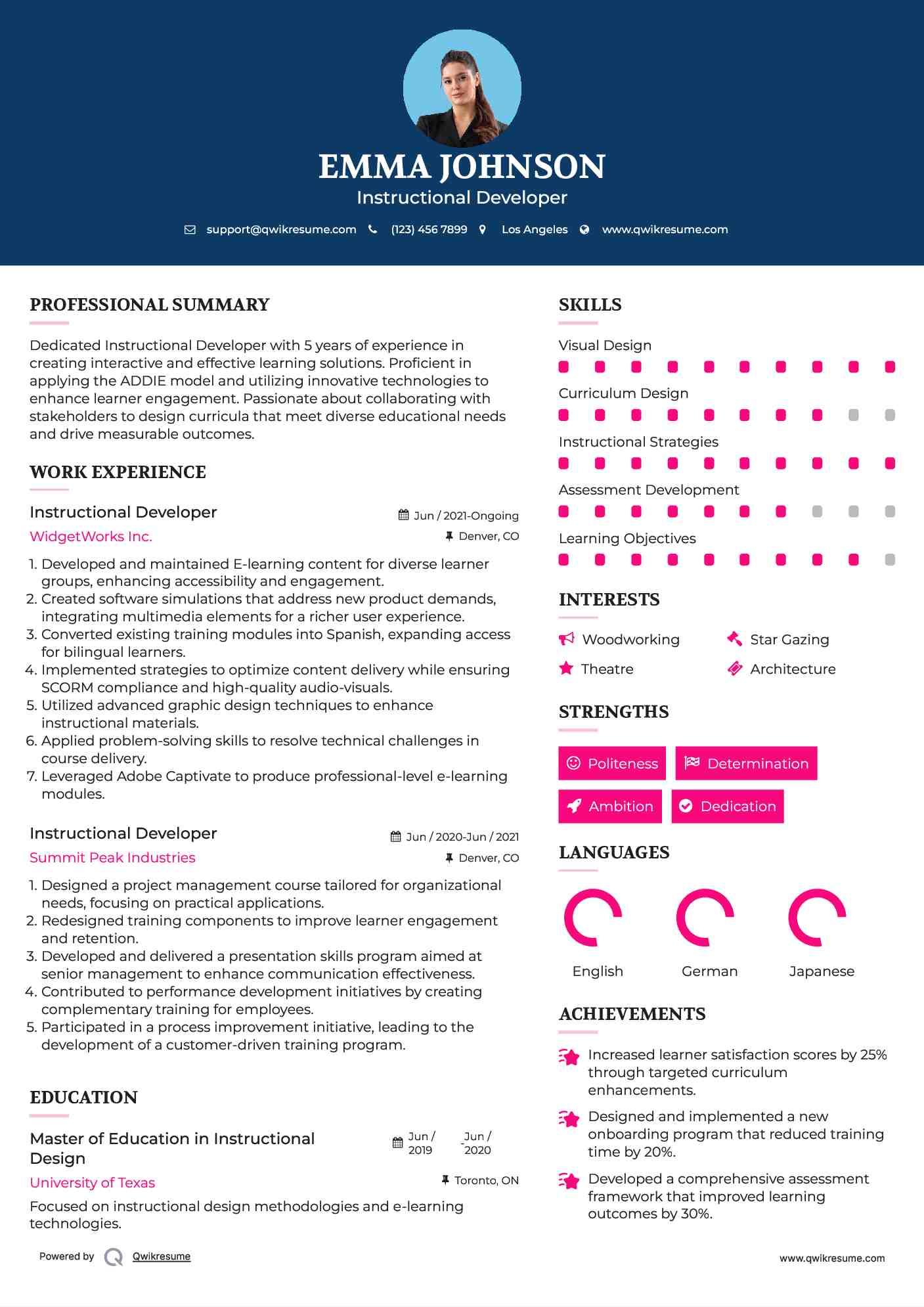
What Does a Curriculum Developer Do? Skills, Roles, and Career Path Explained
are you passionate about shaping the future of education? If you’re interested in securing a job in the rapidly growing field of education technology at universities, colleges, or schools, the role of a curriculum developer might be a perfect fit. In this complete guide, we’ll explore what a curriculum developer does, essential skills needed, typical job responsibilities, career advancement opportunities, benefits of the role, and practical tips for landing your dream job. whether you’re an experienced educator or just starting your career in ed-tech, this article is your roadmap to understanding and excelling in curriculum growth.
What Is a Curriculum Developer?
A curriculum developer, sometimes known as an instructional coordinator or curriculum designer, is an educational professional responsible for designing, developing, and improving instructional materials and academic programs. They play a key role in aligning educational content with institutional goals, academic standards, and the latest developments in education technology. Whether developing online courses for universities, classroom materials for schools, or training modules for faculty, curriculum developers are driving educational innovation across all levels.
Core Responsibilities of a Curriculum Developer
The day-to-day duties of a curriculum developer can vary by institution and project scope. Though, most curriculum development roles include the following core responsibilities:
- Analyzing current curricula to identify strengths, weaknesses, and areas for improvement
- Designing engaging and effective instructional materials, such as lesson plans, assessments, multimedia resources, and e-learning modules
- Integrating education technology tools, platforms, and best practices into curriculum design
- Collaborating with subject matter experts, faculty, teachers, and administrative staff
- Conducting research to ensure alignment with educational standards and institutional objectives
- Evaluating and revising curricula based on feedback, assessment data, and learning outcomes
- Organizing professional development workshops and training sessions for educators
- Ensuring accessibility and inclusivity in all curriculum materials
Essential Skills for Curriculum Developers
Excelling as a curriculum developer in education technology requires a blend of educational expertise, technical skills, and interpersonal abilities. Here are some of the core skills you’ll need:
1. Curriculum Design and Assessment
A deep understanding of curriculum frameworks, instructional design models (such as ADDIE, Bloom’s Taxonomy), and assessment strategies is essential for crafting meaningful learning experiences.
2. Knowledge of education Technology
Proficiency in using digital tools like Learning Management Systems (LMS), collaborative platforms, multimedia editing software, and data analysis tools is increasingly critically important in ed-tech settings.
3. Research and Analytical Skills
Curriculum developers must stay informed on the latest trends in pedagogy and education technology. Strong research skills allow them to design evidence-based materials.
4. Interaction and Collaboration
The ability to clearly communicate ideas, give and receive feedback, and work with diverse stakeholders—including educators, IT specialists, and administrators—is crucial.
5. Project Management
Managing timelines, resources, and documentation ensures that curriculum projects are completed efficiently and meet quality standards.
6.Creativity and Adaptability
Creating engaging learning experiences requires creative problem-solving and adaptability to evolving educational needs and technologies.
Typical Roles and Work Environments
Curriculum developers are in high demand across various educational settings, thanks to the integration of technology into teaching and learning. Here’s where you might work:
- Universities and Colleges: Curriculum developers often design academic programs, online courses, and faculty workshops to enhance student learning outcomes at the tertiary level.
- K-12 Schools: Many schools hire curriculum specialists to update classroom materials, implement digital resources, and support teachers with lesson planning.
- Educational Technology Companies: Some developers focus on creating educational apps, online courses, and digital textbooks for ed-tech providers.
- Corporate Training Departments: Developing employee training and onboarding programs is an choice path for those interested in adult education.
- Non-Profit and Government Organizations: These organizations frequently enough require curriculum expertise for public education initiatives or policy development.
Career Path and Advancement Opportunities
A career as a curriculum developer offers notable room for growth, especially as technology continues to transform educational institutions. Typical stages in the career path include:
- Entry-Level Curriculum Specialist: Supporting experienced developers, assisting with content creation, and learning the ropes of instructional design.
- curriculum Developer/Instructional Designer: Taking charge of specific courses or programs, collaborating directly with educators and tech teams, and gaining expertise in certain subjects or technologies.
- Senior Curriculum Developer: Leading large-scale projects, mentoring junior staff, and making strategic decisions about program direction.
- Curriculum Director or Coordinator: Overseeing institutional curriculum strategy, managing teams, and aligning all academic materials with broader educational goals.
- Specialized Consultant or Educational Advisor: Providing expert guidance to multiple institutions or companies, frequently enough on project or contract basis.
Many professionals diversify their careers by moving into educational leadership, teacher training, or joining the product teams of leading ed-tech companies.
Benefits of Being a Curriculum Developer
Working as a curriculum developer offers numerous personal and professional benefits, making it an attractive option for education technology job seekers:
- Impactful Work: directly influence how students learn, teachers teach, and institutions innovate.
- Continuous Learning: Stay at the forefront of educational theory, pedagogy, and technology.
- Diverse Work Surroundings: Collaborate with professionals from a wide range of backgrounds and expertise.
- High Demand: The growing use of digital learning tools ensures ongoing demand for skilled curriculum developers.
- Flexibility: Opportunities for remote work, freelancing, or consulting in addition to traditional full-time positions.
- Career Advancement: Clear pathways to higher-level roles and specialization within education technology.
Practical tips for Aspiring Curriculum Developers
Ready to start your journey as a curriculum developer in education technology at universities, colleges, or schools? Here are some practical tips to launch or advance your career in this exciting field:
- Gain Teaching Experiance: Firsthand classroom experience helps you understand the challenges and opportunities educators face, informing smarter curriculum design.
- Develop Technical Skills: learn to use Learning Management Systems, instructional design tools (such as Articulate Storyline, adobe Captivate), and basic data analysis software.
- Build a Portfolio: Create sample lesson plans, e-learning modules, or assessment tools to showcase your instructional design skills.
- Pursue Relevant Certifications: Consider certifications in instructional design, e-learning, or education technology to stand out to employers.
- Stay Up to Date: Regularly read education technology blogs, attend webinars, and participate in professional associations.
- Practise Collaboration: volunteer for cross-functional projects or committees to develop teamwork and communication skills essential for the job.
Conclusion: Is Curriculum Development the Right path for You?
If you’re passionate about education, enthusiastic about technology, and enjoy designing innovative learning experiences, a career as a curriculum developer in education technology can be uniquely rewarding. Whether you aim to work in a university, college, school, ed-tech company, or beyond, curriculum development offers a versatile, high-impact career path with continuous growth and learning opportunities. Equip yourself with the right skills, build your professional network, and embrace the journey of shaping the future of education—one curriculum at a time.