
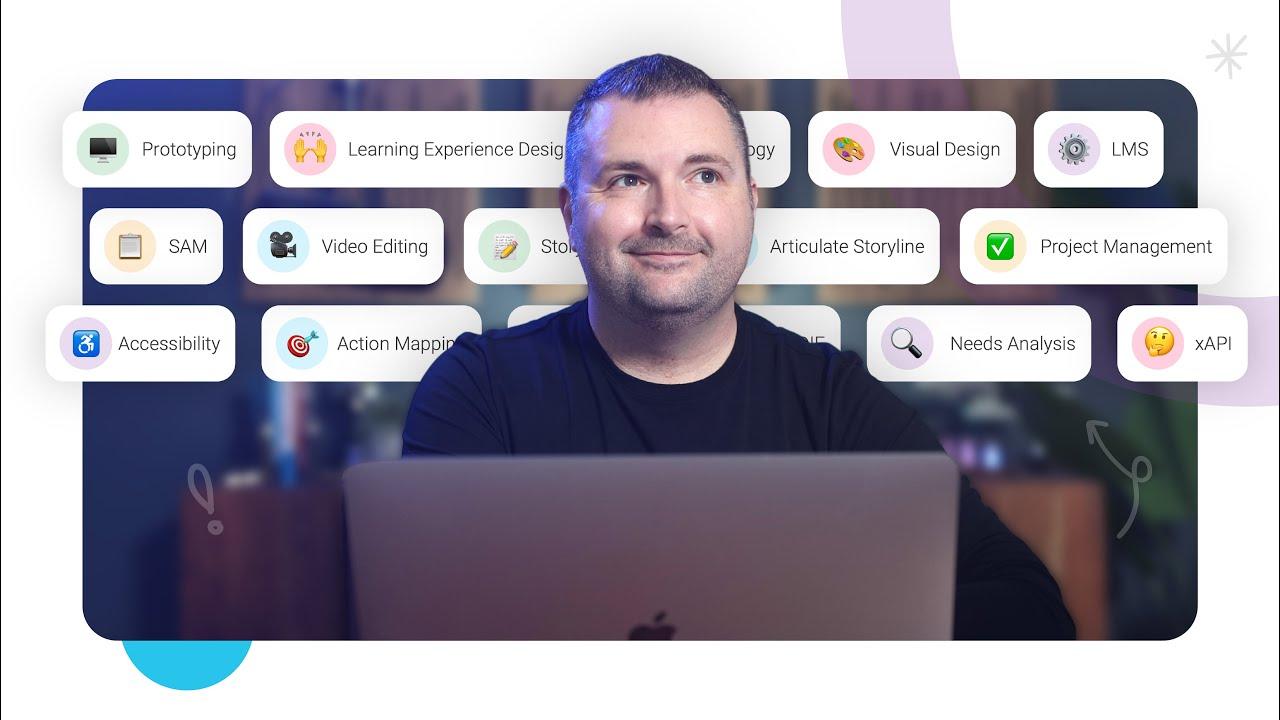
What Does a Digital Learning Designer Do? Key Skills & Career Guide
The digital transformation of education has ushered in new, exciting roles for creative and tech-savvy professionals. Among the most sought-after is the Digital Learning Designer.If you’re exploring a career in education technology at universities, colleges, or schools, understanding what a Digital Learning Designer does, the key skills required, and pathways to enter this rewarding field is crucial. This complete guide will walk you through everything you need to know to become a standout candidate in EdTechS thriving digital learning landscape.
Introduction to the Digital Learning Designer Role
A Digital Learning Designer is responsible for creating engaging, interactive, and effective digital learning experiences for students and educators.These professionals blend educational theory with technology to design online courses, eLearning modules, blended lessons, and multimedia content. Working closely with educators, IT specialists, and administrators, Digital Learning Designers ensure teaching and learning are accessible, innovative, and tailored to diverse learner needs.
Key Responsibilities of a Digital Learning Designer
Digital Learning Designers play an instrumental role in modern education, particularly across universities, colleges, and schools that embrace hybrid and online learning environments. Typical job duties include:
- Course Design and Development: Create visually appealing and pedagogically sound course materials for online, blended, or flipped classrooms.
- Instructional Content Creation: Develop multimedia assets like video tutorials,interactive quizzes,podcasts,infographics,and simulations.
- Learning Management System (LMS) Management: Manage and organize course content within platforms such as Moodle,Canvas,or Blackboard.
- Collaborating with Faculty: Work alongside instructors to translate face-to-face curriculum into engaging digital formats and suggest improvements based on learning objectives.
- Evaluating and Improving Courses: Analyze learner feedback and data analytics to continually enhance course quality and learner engagement.
- Technical Support and training: Support educators and students in using digital tools and conduct training workshops on educational technologies.
- Accessibility and Inclusivity: ensure digital content complies with accessibility standards and is inclusive for all learners,including those with special educational needs.
essential Skills for Digital Learning Designers
Excelling as a Digital Learning Designer requires a diverse skill set that blends creativity,technical acumen,and instructional expertise. Here are the core skills employers seek:
1. Instructional design Principles
A solid grasp of instructional design models such as ADDIE, SAM, or Bloom’s Taxonomy is essential for creating impactful digital learning experiences.
2. technology Proficiency
- Familiarity with Learning Management Systems (LMS) like Canvas, blackboard, or Moodle
- Proficiency in authoring tools such as Articulate Storyline, Adobe Captivate, and H5P
- Basic understanding of HTML, CSS, and multimedia production tools (e.g., Camtasia, Adobe Creative Suite)
3. Visual and Media Design
Creative skills to design visually appealing layouts, engaging graphics, and smooth user interfaces that enhance the learning experience.
4. Project Management
ability to manage multiple projects, meet deadlines, and collaborate with cross-functional teams.
5. Interaction and Collaboration
Strong interpersonal skills to effectively consult, train, and communicate with faculty, administrators, and technical staff.
6. Analytical and Problem-Solving Abilities
Keen analytical skills to evaluate learner data,solve instructional challenges,and advise on technology adoption.
Educational Requirements & Career pathways
Most Digital Learning Designer positions in universities, colleges, or schools require:
- A bachelor’s or master’s degree in Instructional Design, Education Technology, Curriculum Development, or a related field
- Certifications in instructional design (e.g., ATD, Learning and Development certifications) or digital media
- Portfolio of digital learning projects demonstrating practical experience and technical proficiency
Some professionals transition from teaching or IT backgrounds, leveraging thier classroom or technical expertise. Continuous professional development through webinars, MOOCs, and EdTech conferences is highly valued by employers.
Benefits of a Career as a Digital Learning Designer
Pursuing a role as a Digital Learning Designer in education technology opens the door to numerous personal and professional advantages:
- High Demand and Job Security: Educational institutions increasingly invest in online and blended learning, driving robust demand for skilled designers.
- Impactful Work: Shape how thousands of learners experience and succeed in education, making a meaningful difference in teaching and learning outcomes.
- Dynamic, Creative Environment: Each project brings new challenges and opportunities to innovate with the latest EdTech tools.
- Remote and Flexible Work Opportunities: Many schools and universities offer flexible or remote work arrangements.
- Continuous Learning: Rapidly evolving technology fosters ongoing personal and professional growth.
Practical Tips to Start Your Digital Learning Designer Career
Here’s how you can boost your chances of landing your dream job as a Digital Learning Designer at a university, college, or school:
- Build a Diverse Portfolio: Showcase a range of digital projects, from interactive modules to accessible course designs. Use your portfolio to highlight your technical skills, creativity, and understanding of pedagogical best practices.
- Stay Up-to-Date with EdTech Trends: Regularly explore and experiment with emerging tools, platforms, and pedagogical models shaping digital education.
- Network Within the EdTech Community: Attend webinars, conferences, and online communities to connect with other professionals and learn from industry leaders.
- Seek Feedback and Mentorship: Engage faculty, designers, or technology specialists to review your work and guide your professional development.
- Tailor Your submission: Emphasize relevant skills and experience in your resume and cover letter. Customize your narrative to showcase how your expertise aligns with the institution’s mission and digital learning strategy.
- Demonstrate Soft Skills: Highlight your communication, adaptability, and teamwork capabilities. Institutions value collaborative professionals who are eager to support educators and students.
Working Environment and Career Progression
Digital Learning Designers most commonly find roles in:
- Universities and higher education colleges
- K-12 schools, both public and private
- Online schools or virtual academies
- EdTech companies and eLearning content providers
- Instructional design consultancies or freelance roles
With experience, Digital Learning Designers can progress to senior positions such as Lead Instructional Designer, eLearning Director, Learning Technology Manager, or Head of Digital Learning. Opportunities also exist to specialize in areas like curriculum design, accessibility, or educational data analytics.
Conclusion
The role of a Digital Learning Designer is dynamic, impactful, and in high demand throughout the education technology sector. Whether you aspire to work in a university, college, or school, mastering the skills and understanding the career pathways outlined in this guide will set you on the path to success. By blending creativity with technology and pedagogy, Digital Learning Designers are at the forefront of transforming education for the digital age—empowering learners and shaping the future of teaching.
If you’re passionate about education, technology, and innovation, now is the perfect time to join this thriving field and help shape the learning experiences of tommorow.