
What Does a Learning Analytics Specialist Do? Role, Skills, and Career Path explained
Are you intrigued by teh intersection of education and technology? Interested in harnessing the power of data to enhance learning experiences? If so, a career as a Learning Analytics Specialist in higher education, colleges, or K-12 schools might be your perfect fit. In this comprehensive guide, we’ll explore what a learning analytics specialist does, the essential skills required, the typical career path, and practical tips for entering this dynamic field. Whether you’re a new graduate or considering a career transition into education technology, read on to discover how you can make a significant impact in this rewarding role.
What is a Learning Analytics Specialist?
A Learning Analytics Specialist is an education technology professional who collects, analyzes, and interprets educational data to improve teaching and learning outcomes. By leveraging data from learning management systems (LMS), online platforms, and classroom technology, they help schools, colleges, and universities make data-driven decisions to enhance the learner experience, boost student retention, and support academic success.
Why is this Role Vital?
With the vast increase in digital learning tools and online education, institutions are generating enormous amounts of data. Learning analytics specialists convert this “big data” into actionable insights. Their analysis enables educators and administrators to:
- Personalize student learning pathways
- Identify at-risk students and provide timely interventions
- Optimize curriculums and teaching methods
- Increase student engagement and satisfaction
- Assess the effectiveness of educational technologies
Key Responsibilities of a Learning analytics Specialist
The specific responsibilities of a learning analytics specialist can vary by institution and role, but generally include the following:
- Data Collection: Gathering student performance data from LMS, assessment tools, and digital learning platforms.
- Data Analysis: Using statistical tools and software (like Python, R, or SQL) to analyze data and identify meaningful patterns and trends.
- Reporting & Visualization: Creating dashboards, charts, and visualizations that communicate findings to educators, leadership teams, and decision-makers.
- Collaboration: Working closely with faculty, instructional designers, IT staff, and academic advisors to recommend and implement data-driven strategies.
- Quality Assurance: Ensuring data accuracy, security, and compliance with privacy regulations such as FERPA or GDPR.
- Predictive Analysis: Developing predictive models to forecast student performance and institutional outcomes.
- Professional Development: Training staff and faculty on the effective use of learning analytics and data literacy.
Essential Skills and Qualifications for Learning Analytics Specialists
To excel as a learning analytics specialist in education technology, you’ll need a blend of technical, analytical, and communication skills. Key qualifications and abilities include:
- Educational Background: A bachelor’s or master’s degree in education technology, data science, statistics, computer science, instructional design, or a related field is highly desirable.
- Data Analysis Skills: Proficiency in statistical analysis and experience with analytics tools like SPSS, R, Python, Excel, or Tableau.
- Technical Proficiency: Working knowledge of databases (e.g., SQL), data visualization, and learning management systems (such as Canvas, blackboard, or Moodle).
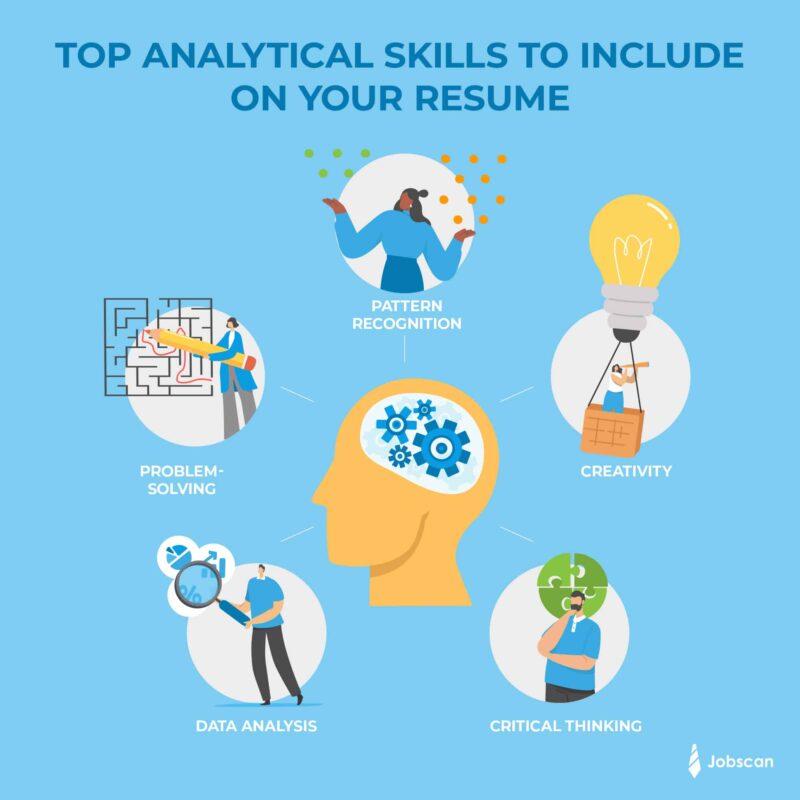
- Problem-Solving Ability: Aptitude for interpreting data and translating insights into practical recommendations.
- Communication Skills: Ability to explain complex data findings to non-technical audiences, including teachers and administrators.
- Project Management: Strong organizational skills and experience managing multiple projects or initiatives simultaneously.
- Attention to Detail: Ensuring data accuracy and maintaining strict adherence to privacy standards and ethical guidelines.
- Continuous Learning: Commitment to keeping up with developments in learning analytics, educational data privacy, AI, and e-learning trends.
Career Path: How to become a Learning Analytics Specialist
The demand for learning analytics specialists in universities, colleges, and K-12 schools continues to rise as institutions increasingly rely on data to inform decision-making. Hear’s an overview of a typical career path toward this role:
- Step 1: Education
- Start with a relevant bachelor’s degree. For higher-level positions, a master’s in educational technology, data science, or a related field is an advantage.
- Step 2: Gain Relevant Experience
- Seek internships or entry-level positions in educational technology,instructional design,or school data administration.
- Work on projects involving data analysis or research in academic settings.
- Step 3: Develop technical Skills
- Take courses or certifications in data analytics, coding (Python, SQL), and visualization tools (Tableau, Power BI).
- Learn how to use popular LMS platforms and understand their data export/reporting capabilities.
- step 4: Build a Portfolio
- Create sample projects showcasing your ability to analyze educational data and present actionable insights.
- Share visualizations or case studies (with anonymized data) during job applications and interviews.
- Step 5: Network in EdTech
- Join professional associations and attend education technology conferences or webinars to expand your connections.
- Step 6: Apply for Roles
- Look for job titles like “Learning Analytics Specialist,” “Education Data Analyst,” or “Instructional Data Specialist” in schools, universities, or EdTech companies.
Benefits of Becoming a Learning Analytics Specialist
Pursuing a career as a learning analytics specialist in education technology offers many compelling benefits:
- High Demand: Institutions are increasingly investing in learning analytics to stay competitive and improve student outcomes.
- Meaningful Impact: Your work directly contributes to student success, curriculum innovation, and institutional effectiveness.
- Career Growth: Potential to move into leadership roles such as Director of institutional Research, EdTech Project Manager, or Data Science Lead.
- Continuous Learning: The role offers opportunities to stay at the forefront of digital education and data science trends.
- Work Variety: Collaborate with diverse teams across IT, academic departments, and administration, ensuring a dynamic work environment.
- Remote and Flexible Opportunities: Many universities and EdTech firms now offer flexible or remote positions for analytics professionals.
Practical tips to Launch your Learning Analytics Specialist Career
if you’re ready to secure your first (or next) position as a learning analytics specialist in education, consider these practical strategies:
- Take Advantage of Free Resources: Explore online courses on Coursera, edX, or similar platforms that specialize in data analytics and education technology.
- Practice with Real Data: Use open educational datasets or volunteer to analyze data for local schools or education nonprofits.
- Enhance Your Resume and Portfolio: Focus on data analysis accomplishments, relevant software skills, and prosperous collaboration with educational stakeholders.
- Prepare for Interviews: Be ready to discuss how your data analysis impacted learning outcomes, solved academic challenges, or led to measurable improvements.
- Stay Informed: Follow leading educational technology blogs, research publications, and thought leaders in learning analytics to stay ahead of trends.
Conclusion: is a Learning Analytics Specialist Career Right for You?
The role of a Learning Analytics Specialist is transforming the landscape of education by combining data-driven insights with innovative technology. This position offers the chance to make a tangible difference in student learning and institutional success while advancing your expertise in one of the fastest-growing sectors of education technology. with the right mix of skills, curiosity, and passion for education, you can thrive in this impactful and future-ready career. Start developing your skillset today and take the first step toward becoming a key player in shaping the future of learning!