
What Does a Learning Architect Do? Role, Skills & Career Path Explained
Introduction: Unlocking the World of Learning Architects in EdTech
As the field of education technology (EdTech) rapidly advances, the demand for innovative professionals who can bridge the gap between pedagogy and technology is higher than ever. One of the pivotal roles in this change is that of the Learning architect. If you are searching for a rewarding job within universities, colleges, or schools, understanding what a Learning Architect does, the key skills required, and the potential career path will equip you to make an informed and strategic decision about your future in EdTech.
What Is a Learning Architect?
A Learning Architect is an educational technology specialist who designs, implements, and optimizes digital learning environments and instructional strategies.Unlike traditional instructional designers, Learning Architects take a holistic approach to curriculum design by integrating cutting-edge technological solutions with proven pedagogical theories. Their goal is to create engaging, effective, and accessible learning experiences tailored to diverse learners’ needs within educational institutions.
In universities, colleges, and schools, Learning Architects collaborate with faculty, administrators, IT teams, and students to develop transformative learning pathways that harness the full potential of EdTech tools and platforms.
key Responsibilities of a Learning Architect
The responsibilities of a Learning Architect can vary depending on the institution and the role’s specific focus, but generally include:
- Needs Analysis: Conduct comprehensive assessments to determine students’ learning needs, faculty requirements, and institutional goals.
- Learning Experience Design: Develop and structure digital, hybrid, and in-person learning frameworks that incorporate interactive multimedia, assessments, and adaptive learning.
- Instructional Technology Integration: Select and implement edtech tools such as Learning Management Systems (LMS), online assessment platforms, and virtual classrooms.
- Curriculum Alignment: Ensure learning objectives are aligned with curriculum standards and institutional outcomes.
- Project Management: lead cross-functional teams through the project lifecycle, from ideation to delivery and evaluation.
- Faculty Training: Train and support educators in adopting new technologies and pedagogical models.
- Quality Assurance: Evaluate and iterate on learning programs using data analytics,learner feedback,and best practices.
- Accessibility and Inclusivity: Design learning experiences that are accessible to all, including students with disabilities and those from diverse backgrounds.
- Research and Innovation: Stay up-to-date with the latest advances in EdTech and pedagogy to introduce innovative solutions.
Essential Skills and Qualifications for a Learning architect
To thrive as a Learning Architect in educational technology,you’ll need to combine pedagogical expertise with technological fluency. Key skills and qualifications include:
- educational Background: A bachelor’s or master’s degree in Education Technology, Instructional Design, Curriculum Development, or a related field. Some roles may require a doctorate for senior positions.
- Instructional Design: Mastery of instructional design models such as ADDIE, SAM, or Universal Design for Learning (UDL).
- Technical Proficiency: hands-on experience with LMS platforms (e.g., Canvas, moodle, Blackboard), e-learning authoring tools (e.g., Articulate Storyline, adobe Captivate), and collaboration tools.
- Project Management: ability to manage complex projects, timelines, and cross-department teams using methodologies like Agile or Waterfall.
- Data Analysis: Competence in analyzing learning data and metrics to measure effectiveness and inform refinements.
- Interaction Skills: Excellent written and verbal communication, stakeholder management, and the ability to present ideas to diverse audiences.
- Creativity and Problem-Solving: Innovative mindset with strong problem-solving abilities to design impactful learning experiences.
- Knowledge of Accessibility Standards: Familiarity with ADA compliance, WCAG guidelines, and best practices for universal access.
Career Path and Advancement Opportunities
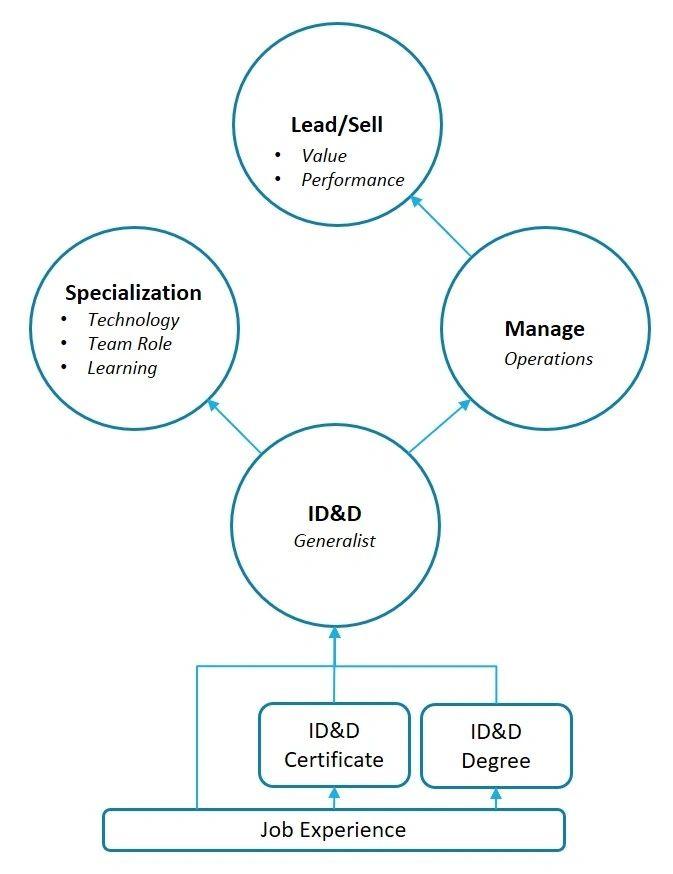
The role of Learning Architect offers a dynamic career trajectory within educational institutions and beyond. Here’s how you can progress:
- Entry-level Roles: Start as an Instructional Designer, Learning Technologist, or eLearning Developer to build your foundational skills in curriculum design and EdTech implementation.
- Mid-Level Advancement: Move into roles such as Learning Experience Designer, Senior Instructional Designer, or EdTech Specialist, where you’ll manage projects and collaborate on curriculum innovation.
- Learning Architect: Harness a blend of experience, leadership, and strategic vision to move into the Learning Architect position, leading the design and integration of comprehensive learning solutions.
- Leadership and Specialized Paths: With additional experience, you can advance to director of Learning Innovation, Chief Learning officer, or focus on specialized domains like online learning strategy or educational technology research.
Certification and Continuing Education: Professional certifications (such as Certified Professional in Learning and Performance—CPLP, or certifications from major LMS providers) and ongoing learning in emerging EdTech trends will enhance career prospects.
Benefits of Working as a Learning Architect in Education Technology
Pursuing a career as a Learning Architect brings numerous benefits, both personally and professionally.Some advantages include:
- High Demand: As higher education and K-12 institutions increase investment in digital transformation, demand for Learning Architects is steadily growing.
- Meaningful Impact: You’ll directly influence educational outcomes and increase access to quality learning for diverse student populations.
- innovation at the Forefront: Work with the latest technologies and pedagogical approaches, continuously expanding your own expertise.
- Collaborative Habitat: Engage with talented educators, technologists, and administrative leaders in an interdisciplinary setting.
- Opportunities for Leadership: Shape the future of learning by steering key institutional initiatives and advocating for best practices in EdTech.
- Job Flexibility: Opportunities for both on-site and remote roles,across schools,colleges,and universities worldwide.
Practical Tips: How to Become a Accomplished Learning Architect
If you are aspiring to become a Learning Architect at a university, college, or school, consider the following practical tips:
- Build a Strong Portfolio: Showcase projects that highlight your ability to design, implement, and evaluate digital learning experiences.
- network with EdTech Professionals: Attend conferences, webinars, and professional groups to stay updated and connect with leaders in education technology.
- Stay Informed: Regularly explore emerging EdTech trends, tools, and research to keep your skills relevant.
- Pursue Certification: Obtain EdTech or instructional design certifications to demonstrate your commitment and expertise.
- Gain Hands-on Practise: Volunteer for pilot initiatives or freelance projects to broaden your practical experience.
- Emphasize Soft Skills: Focus on building communication, leadership, and change management skills to navigate institutional culture effectively.
- Prepare for Continuous Learning: The field is dynamic, so invest in lifelong learning to sustain your career growth.
conclusion: Shaping the Future of Education as a Learning Architect
The role of a Learning Architect sits at the exciting intersection of pedagogy and technology, offering talented professionals the power to modernize and shape education for the digital age. Whether you are just starting your journey or seeking to advance your career in education technology, understanding what a Learning Architect does and striving to acquire the right skills can unlock doors to impactful opportunities within universities, colleges, and schools. As learning continues to evolve,so too does the need for creative,strategic,and innovative professionals who are ready to lead the next generation of educational excellence.