
What Does a Learning Architect Do? Roles, Skills & Career Guide
Are you passionate about education technology and eager to shape the future of learning at universities, colleges, or schools? The role of a Learning Architect is increasingly vital in today’s evolving educational landscape. Whether you’re a seasoned educator looking to pivot into edtech or a job seeker curious about innovative educational careers, understanding what a Learning Architect does can open up new, rewarding opportunities. This comprehensive guide will walk you through the key responsibilities, essential skills, benefits, and tips for launching a accomplished career as a Learning Architect in the education technology sector.
What Is a Learning Architect?
A Learning Architect is a specialized professional who designs,develops,and optimizes educational experiences using technology. Their primary mission is to create learning environments that are engaging, effective, and aligned with educational goals. Learning architects act as the bridge between instructional design, pedagogy, and the latest digital tools, ensuring the seamless integration of technology in curriculum and instructional delivery.
key Roles and Responsibilities of a Learning Architect
The daily tasks and overarching responsibilities of Learning Architects may vary depending on the institution and students’ needs. However, the following duties are commonly associated with this dynamic role:
- Curriculum Design & growth: Designing courses and learning modules that effectively leverage online platforms, blended learning models, and multimedia resources.
- Technology Integration: Selecting, implementing, and optimizing digital tools such as Learning Management Systems (LMS), educational apps, and content management platforms.
- Needs Analysis: Conducting research and collaborating with faculty, students, and stakeholders to identify learning objectives and gaps.
- Instructional Design: Applying learning theories and instructional design principles to create engaging, learner-centered experiences.
- Project Management: overseeing the end-to-end development of learning solutions, from conception through launch and evaluation.
- Data Analysis & Assessment: Monitoring student engagement and success metrics to inform continuous improvement of courses and resources.
- faculty Training: Coaching educators on the effective use of digital tools and methods, fostering an institution-wide culture of innovation.
- Quality Assurance: Ensuring that digital learning experiences meet institutional standards for accessibility, usability, and effectiveness.
Essential Skills for learning Architects in EdTech
Securing a Learning Architect job at a university, college, or school requires a blend of technical, pedagogical, and interpersonal abilities. Here’s a breakdown of key skills employers seek in top candidates:
Technical Skills
- Experience with EdTech platforms: Proficiency in using and configuring Learning Management Systems (e.g., Canvas, Moodle, Blackboard).
- Digital Content Creation: Familiarity with authoring tools such as Articulate Storyline,Adobe Captivate,H5P,or video editing software.
- Data Analysis: Ability to gather and interpret learning analytics to measure the impact and effectiveness of content.
- Accessibility Standards: Knowledge of WCAG and other accessibility guidelines to ensure inclusive learning experiences.
Instructional & Educational Skills
- curriculum Development: Understanding of curriculum mapping, scaffolding, and assessment strategies.
- Instructional Design: know-how in applying ADDIE, SAM, or other recognized instructional design models.
- Learning Theory: A solid grasp of adult learning theories,cognitive psychology,or educational best practices.
Soft skills
- Collaboration: Effective at working as part of cross-functional teams that include administrators, instructors, IT, and students.
- Interaction: Able to clearly present ideas and train diverse audiences on complex topics.
- Problem-Solving: Resourceful, innovative, and solutions-focused in addressing instructional challenges.
- Project Management: Strong organizational skills for balancing multiple projects and meeting deadlines.
Educational Requirements for Learning Architects
Most Learning Architect positions in universities, colleges, and K-12 schools typically require:
- A bachelor’s or master’s degree in Instructional Design, Education Technology, Curriculum & Instruction, or a related field.
- Experience in teaching,instructional design,or a related educational or technology-based role.
- Certifications in e-learning design or instructional technology (while not always mandatory, credentials such as ATD, ISTE, or similar can strengthen your submission).
Benefits of Becoming a Learning Architect
Pursuing a career as a Learning Architect in education technology can be incredibly rewarding. Some of the notable benefits include:
- Impactful Work: Directly influence teaching and learning outcomes,helping educators and students flourish.
- Growing Demand: The rapid growth of online learning and digital conversion in education means strong job prospects and diverse opportunities.
- Professional Growth: Develop highly sought-after skills at the intersection of education and technology.
- Creative Freedom: Exercise creativity in designing and implementing innovative learning environments.
- Remote & Flexible Opportunities: Many roles in edtech now offer hybrid or remote work options.
Practical Tips for Landing a Learning Architect Job
If you’re eager to break into the field or advance your career as a Learning Architect, follow these actionable steps:
- Build a Strong Portfolio: Showcase sample courses, modules, or edtech projects demonstrating your instructional design and technology integration skills.
- Expand Your Network: Attend edtech conferences, join online communities, and connect with professionals working at educational institutions.
- Stay Current: Keep up with new technologies, instructional models, and e-learning trends through professional development and industry publications.
- highlight Measurable Success: Include data or stories that show how your work has improved learning outcomes or faculty efficiency.
- Target the Right Institutions: Research universities,colleges,and schools with strong commitments to digital innovation. Tailor your application to address their specific needs.
- Certify Your Skills: Pursue relevant certifications to demonstrate mastery in key platforms or technologies commonly used in digital learning environments.
Career Path and Advancement Opportunities
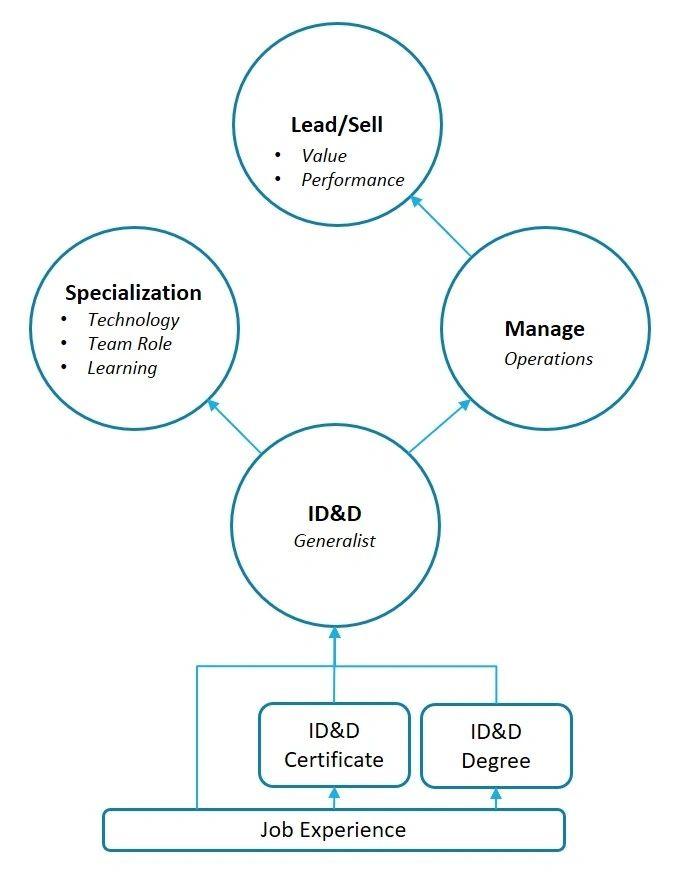
With experience and a proven track record, Learning Architects can advance into leadership roles or specialize further within the education technology field:
- lead Learning Architect: Manage teams responsible for digital transformation projects or curriculum overhauls.
- Director of Instructional Technology: Oversee institution-wide edtech initiatives and strategy.
- EdTech Product Manager: Guide the development and enhancement of learning technology products.
- Consultant or Trainer: Advise multiple institutions or businesses looking to innovate their teaching methods.
These roles often come with increased responsibility, broader influence, and higher salaries, making Learning Architecture an excellent stepping-stone for long-term career success.
Conclusion: Shaping the Future of Learning in EdTech
The role of the Learning Architect is vital in today’s rapidly changing educational landscape. As technology transforms how people teach and learn,institutions rely more than ever on skilled professionals who can design meaningful and innovative digital learning experiences. By mastering a mix of technical, instructional, and interpersonal skills, you can make a significant impact and advance your career in education technology.
Whether you are beginning your journey in edtech or looking to elevate your career to the next level, understanding the responsibilities, benefits, and growth opportunities of the Learning Architect role is key to unlocking your full potential in this dynamic and rewarding field.