
What Does a Learning Architect Do? Skills, Roles, and Career Guide
Are you passionate about education technology and eager to help shape the future of learning in universities, colleges, or schools? One of the most dynamic and impactful roles in the EdTech sector is that of a Learning Architect. This comprehensive guide explores what a Learning Architect does, the essential skills required, their pivotal roles, and practical advice for launching a career in this exciting field.
Introduction to the Learning Architect Role
As digital transformation continues to reshape education, the demand for professionals who can design and implement effective learning experiences is soaring. Enter the Learning Architect: a strategic designer at the intersection of pedagogy, technology, and learner engagement. Whether at a university,college,or K-12 school,Learning Architects play a crucial part in ensuring that innovative educational solutions meet both academic standards and the needs of today’s learners.
what is a Learning Architect?
A Learning Architect is a professional who conceptualizes, designs, and develops the overall structure and strategy of learning experiences using educational technology. They integrate instructional design wiht emerging technology trends to craft engaging, effective, and accessible educational content. their expertise ensures that learning pathways are not only technologically sound but also pedagogically effective,supporting both educators and students in achieving their goals.
Key Roles and Responsibilities
Learning Architects undertake a wide range of responsibilities within universities, colleges, and schools. their key duties include:
- Learning Experience Design: Creating engaging, interactive, and learner-centric educational programs.
- Curriculum Progress: Collaborating with subject matter experts to develop and update curricula,ensuring alignment with learning objectives.
- EdTech Integration: Leveraging digital tools and platforms to enhance learning outcomes, including LMS (Learning Management Systems), adaptive learning technologies, and assessment tools.
- project Management: Leading projects from conception to implementation, meeting timelines and stakeholder expectations.
- Stakeholder collaboration: Working closely with educators,IT teams,administrators,and students to ensure solutions meet stakeholder needs.
- Quality Assurance: Evaluating the effectiveness of learning programs through data analysis, feedback, and iterative improvement.
- accessibility and Inclusivity: Ensuring learning materials are accessible to all learners, meeting WCAG and institutional accessibility guidelines.
Essential Skills of a learning Architect
To thrive as a Learning Architect in education technology, you’ll need a diverse set of skills that blend pedagogy, technology, and project management. Key skills include:
- Instructional Design: Mastery of instructional models like ADDIE or SAM is crucial for designing effective educational programs.
- Digital Literacy: Deep understanding of e-learning platforms, authoring tools (e.g., Articulate, Captivate), and mobile learning technologies.
- Analytical Thinking: Ability to assess current educational challenges and deploy data-driven solutions.
- Collaboration and Communication: strong interpersonal skills for engaging with diverse stakeholders and conveying complex ideas clearly.
- Project Management: competence in managing multiple projects, prioritizing tasks, and leading cross-functional teams.
- User Experience (UX) Design: Knowledge of UX principles to ensure intuitive, engaging interfaces for learners and educators.
- Change Management: Facilitating institutional change and promoting the adoption of new technologies among staff and students.
- Assessment & Evaluation: Crafting effective assessment tools and methodologies to measure learner performance and program effectiveness.
Typical Work Settings for Learning Architects
Learning architects are primarily employed by:
- Universities and colleges (public or private)
- K-12 schools and school districts
- Online learning providers and virtual academies
- Educational technology companies (developing software/platforms for schools and universities)
- Corporate training departments and EdTech consultancies
each setting offers unique challenges and opportunities, but all share a common goal: delivering impactful learning through technology-driven innovation.
Qualifications and educational Requirements
While requirements vary, most Learning Architect roles in education technology ask for:
- Bachelor’s degree (preferably in Education, Instructional Design, Educational Technology, or a related field)
- Master’s degree (often preferred for university and college positions)
- Certifications in instructional design, EdTech, or project management (e.g., CPLP, PMP, ATD credentials)
- Practical experience designing or managing digital learning programs
- Portfolio showcasing learning design projects or technology integration initiatives
Career Path and Advancement Opportunities
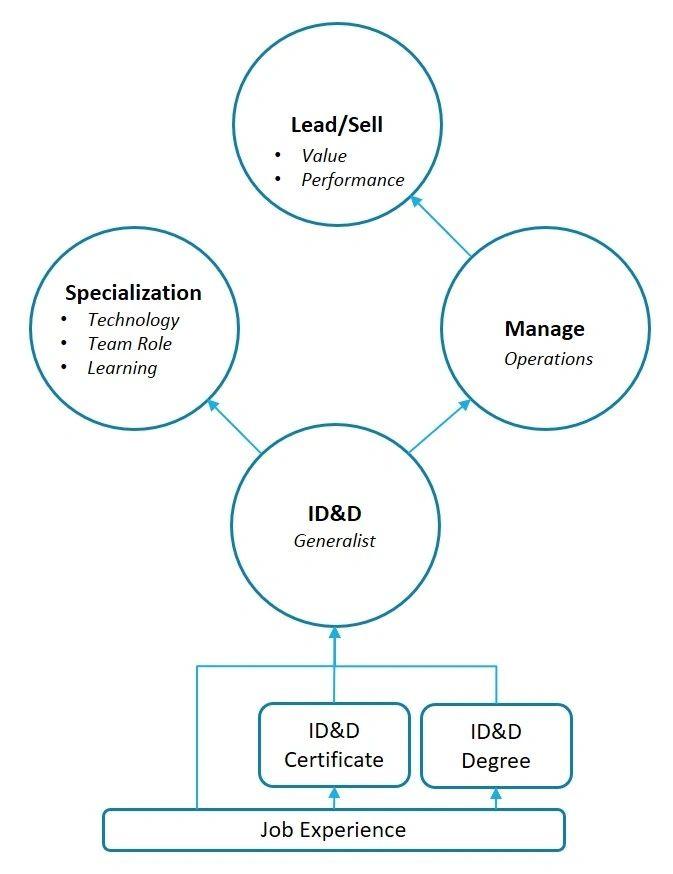
Starting as an instructional designer or e-learning developer, you can advance to a Learning Architect position with relevant experience and skills.From there,career progression might include:
- Senior Learning Architect or Lead Instructional Designer
- Director of Learning Design
- Head of Educational Technology
- Chief Learning Officer (CLO) in large institutions
With the ongoing growth in education technology adoption,long-term career prospects for Learning Architects are robust,encompassing roles in leadership,consulting,and policy development.
Benefits of Being a Learning Architect in Education Technology
- Innovative Work: drive digital transformation in education and shape future-ready learning experiences.
- Job Demand: Increasing adoption of EdTech in universities, colleges, and schools boosts job security and growth.
- Positive Impact: Influence student outcomes and educator effectiveness on a broad scale.
- Continuous Learning: Stay at the forefront of both educational and technological advances.
- Collaborative Environment: Work with diverse teams of educators, technologists, and learners.
Practical Tips for Aspiring Learning Architects
- Build Your Portfolio: Create and document a range of instructional design and technology integration projects to showcase your expertise.
- Network Within EdTech: Attend industry conferences,webinars,and join professional associations to stay connected with peers and job opportunities.
- Stay Current: Regularly update your knowledge of educational technologies, pedagogical trends, and regulatory requirements.
- Pursue Professional Development: Enroll in advanced certifications, workshops, or even MOOCs focused on instructional design or EdTech.
- Seek Mentorship: Connect with experienced Learning Architects or EdTech leaders for guidance and career advice.
- Embrace Change: Be open to learning and implementing new tools and approaches as education technology evolves.
Conclusion
The role of a Learning Architect is at the cutting edge of the digital revolution in education. By blending learning science, educational technology, and applied innovation, Learning Architects help universities, colleges, and schools create impactful, equitable, and engaging learning experiences.If you are driven by a desire to make a lasting contribution to education through technology,a career as a Learning Architect offers endless possibilities for growth,impact,and personal fulfillment.
Start your journey today by developing the essential skills, building your professional network, and keeping pace with the latest trends in education technology. With determination and passion, you can play a pivotal role in shaping the future of learning.