
What Does a Learning Experience Designer (LXD) Do? Key Responsibilities & Skills Explained
Are you passionate about education technology and considering a career as a Learning Experience Designer (LXD) at a university, college, or school? This in-demand role continues to shape the future of academic learning – blending innovative technology, research-based teaching practices, and a student-centered approach. In this comprehensive guide, we’ll dive into what a Learning Experience Designer does, outline their core responsibilities, discuss essential skills, and offer practical tips for aspiring education technology professionals. Whether you’re just starting your journey or seeking a career pivot, understanding the LXD role is your frist step toward making a meaningful impact in education.
Understanding the Learning Experience Designer (LXD) Role
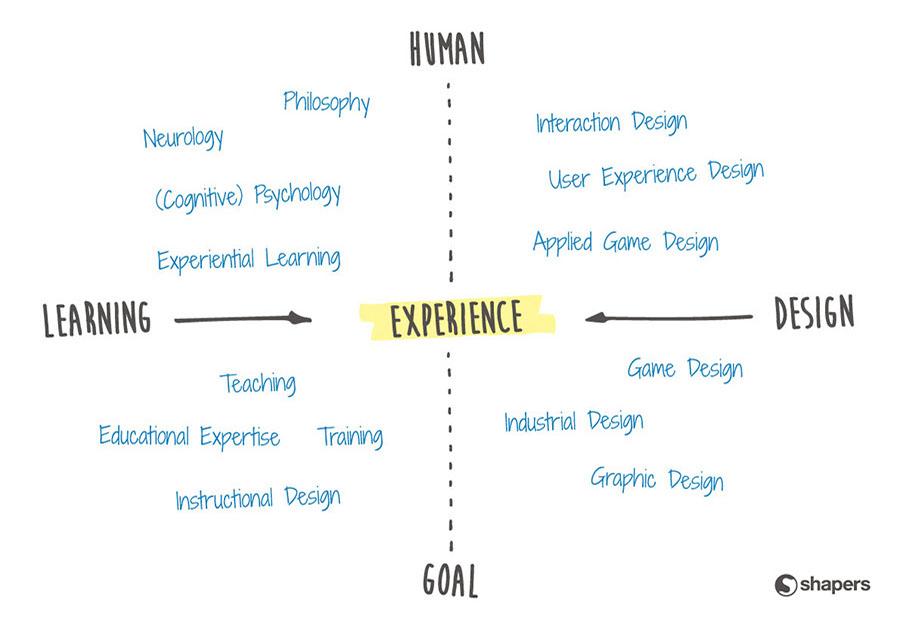
A Learning Experience Designer is an education technology professional dedicated to creating engaging, effective, and inclusive learning environments for students and educators. Unlike conventional instructional designers, lxds focus on the holistic learner journey—integrating pedagogy, technology, and user experience design principles to enhance both online and in-person courses. Universities, colleges, and schools increasingly rely on LXDs to improve teaching outcomes and adapt to the digital transformation in education.
How LXDs Differ from Instructional Designers
- Learner-Centric Approach: LXDs emphasize empathy and student engagement over content delivery alone.
- user Experience focus: They use design thinking and UX principles to craft seamless learning interfaces.
- Technological Innovation: LXDs leverage cutting-edge edtech tools and platforms to foster interactive learning.
Key Responsibilities of a Learning Experience Designer
Learning Experience Designers wear many hats in education institutions. Below are the primary job functions you’ll encounter in LXD positions:
1. Course Design and Development
- Analyze learning objectives, audience needs, and institutional requirements.
- Collaborate with faculty, instructional technologists, and subject matter experts to develop courses.
- Create interactive multimedia content, assessments, and activities.
- Design and implement online, blended, and face-to-face learning experiences.
2. Application of Learning Theory
- Integrate evidence-based pedagogical frameworks, such as Universal Design for Learning (UDL) and constructive alignment.
- Apply cognitive science, motivation theory, and adult learning principles to instructional strategies.
3. EdTech Integration
- Evaluate, select, and integrate education technology tools (LMS, apps, simulations, AR/VR).
- Ensure accessibility, usability, and data privacy compliance in technology solutions.
- Train educators on leveraging technology for student engagement.
4. Assessment Design and Evaluation
- Develop formative and summative assessments aligned with learning objectives.
- Analyze student feedback,learning analytics,and performance data to optimize course effectiveness.
- Iterate design based on evaluation findings.
5. Collaboration and Professional Development
- Facilitate workshops, webinars, and faculty training on best practices in instructional design and technology integration.
- Collaborate cross-functionally with academic departments, IT, and student support services.
- Stay current with trends in education, technology, and learning sciences.
Essential Skills for Learning Experience Designers
If you’re aiming for a job as a Learning Experience Designer in a university or school, cultivating the following skills will set you apart:
Pedagogical Expertise
- Understanding curriculum development and learning theories.
- Knowledge of adult learning principles and diverse learner needs.
- Familiarity with assessment design and feedback mechanisms.
Technology Proficiency
- Experience with learning Management Systems (LMS),such as canvas,Moodle,or Blackboard.
- Ability to use authoring tools (Articulate Storyline, adobe captivate, H5P) and multimedia editing software.
- Foundational knowledge of web design, HTML, CSS, and accessibility standards (WCAG).
Creative and Analytical Thinking
- Design thinking and creativity in transforming instructional materials.
- Problem-solving skills to address learning or technology challenges.
- Data-driven mindset for evaluating course outcomes and iterating designs.
Communication and Collaboration
- Excellent interpersonal skills for working with educators, IT teams, and students.
- Ability to communicate complex concepts in clear, student-pleasant ways.
- Facilitation skills for workshops, training sessions, and meetings.
Project Management
- Organizational skills for managing multiple projects and deadlines.
- Familiarity with agile development, workflow tools, and collaborative platforms (Trello, Slack, Asana).
Benefits of Becoming a Learning Experience Designer
Why pursue a career in learning experience design? Here are the primary benefits worth considering:
- Impact Students Directly: Shape the quality, accessibility, and effectiveness of students’ educational journeys.
- Drive Innovation: Stay at the cutting edge of technology in the classroom, working with tools that make learning dynamic and relevant.
- Collaborative Work Surroundings: Engage with passionate educators, technologists, and administrators.
- Career Growth: LXDs are in high demand as schools and universities increasingly invest in digital transformation and online learning initiatives.
- Professional development: Most higher education institutions support LXD training, conferences, and certifications for ongoing growth.
Practical Tips for Aspiring Learning Experience Designers
Ready to start your career as a Learning Experience Designer at a university, college, or school? Here are actionable steps to help you stand out in today’s competitive education technology job market:
- Build a Diverse Portfolio: Showcase example projects, course modules, and multimedia materials you’ve designed. Demonstrate your ability to solve real-world educational challenges.
- Gain Practical Experience: Volunteer or work freelance on instructional design projects for schools or higher ed institutions, even before securing a full-time role.
- Stay Current with Trends: Follow education technology news, attend webinars, and subscribe to professional organizations related to LXD and edtech.
- Develop Technical Skills: Take online courses in LMS management, e-learning tools, accessibility, and UX design principles.
- Network Actively: Connect with LXDs, instructional designers, and edtech professionals at conferences, meet-ups, and on social networks.
- Tailor Your Resume: Highlight your experience in curriculum design, technology integration, and collaboration. Use keywords like “learning experience designer,” “instructional design,” “edtech,” and “higher education” for better visibility.
- Pursue Relevant Certifications: Consider badges or certificates in online teaching, e-learning development, or accessibility standards to boost your credentials.
Career Paths and Opportunities for LXDs in Education Technology
Learning Experience Designers enjoy a variety of career paths in education technology, including:
- Higher Education: Work with faculty to design degree programs and online/hybrid courses at universities and colleges.
- K-12 settings: Develop digital curriculum and technology integration strategies for primary and secondary schools.
- Corporate training: Apply LXD skills to professional development programs for businesses, healthcare, or non-profits.
- EdTech Companies: Support product development and user experience for educational technology vendors.
LXDs can advance into roles such as Lead Designer, EdTech Project manager, Director of Digital Learning, or even academic technologist, depending on institutional size and specialization.
Conclusion: Is a Learning Experience Designer Role Right for You?
The Learning Experience Designer role is central to modern education technology – blending creativity, technical acumen, and a passion for teaching and learning improvement. Universities, colleges, and schools require LXDs to deliver innovative, impactful, and accessible education to diverse learners. By mastering skills in pedagogy, technology, communication, and project management, you’ll become a sought-after professional who shapes the future of learning.
If you’re excited about transforming the educational experience for students and educators, a career as a Learning Experience Designer can be both rewarding and dynamic.Take the next step by building your portfolio, networking, and staying informed about the latest trends in education technology—and position yourself for success in this fast-growing field.