
What Does a Learning Experience Designer (LXD) Do? Key Roles, Skills, and Career Path
Are you drawn to the intersection of education and technology? Do you want to help shape the future of learning at universities, colleges, or schools? If so, a career as a Learning Experience Designer (LXD) could be your ideal path. In this thorough guide, we’ll explore what a Learning Experience Designer does, the essential skills required, key responsibilities, the benefits of working in education technology, and practical career tips to help you land your dream LXD job.
what is a Learning Experience Designer (LXD)?
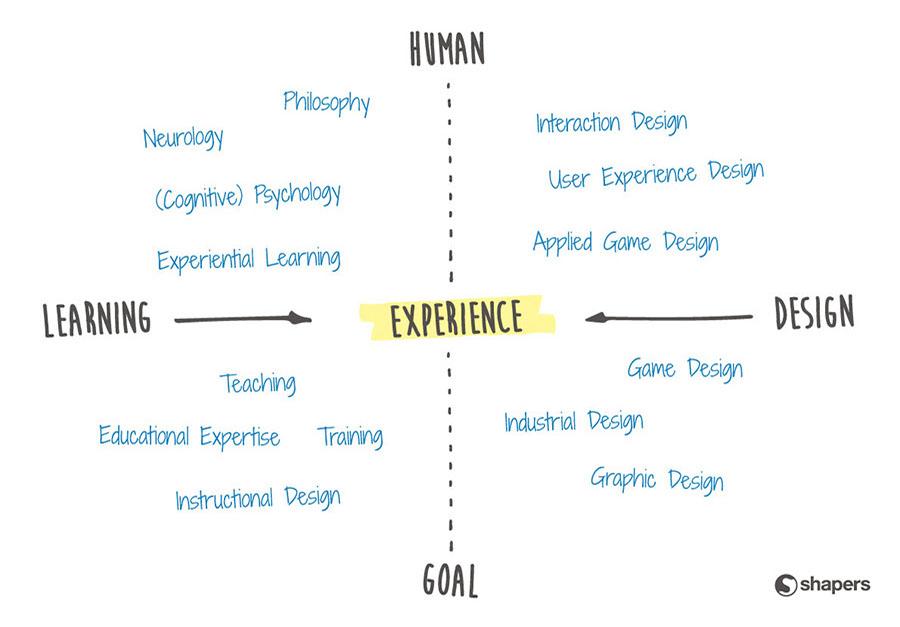
A Learning Experience Designer (frequently enough abbreviated as LXD) crafts engaging, effective, and accessible learning experiences by blending instructional design, educational technology, user experience (UX), and pedagogy. Unlike conventional instructional designers, LXDs focus on holistic, learner-centered approaches that leverage digital tools and platforms to enhance student engagement and knowledge retention in higher education and K-12 settings.
Key Roles and Responsibilities of a Learning Experience Designer
Learning Experience Designers play a crucial role in shaping the educational landscape at colleges, universities, and schools. Here are some of their primary responsibilities:
- Curriculum and Course design: Collaborate with faculty and subject matter experts to develop, redesign, or enhance academic courses and programs for in-person, hybrid, or fully online delivery.
- Learning Technology Integration: Select and implement technology platforms such as Learning Management Systems (LMS),video conferencing tools,and interactive learning apps to support learning objectives.
- Learner Analysis: assess the needs,backgrounds,and goals of student populations to ensure learning experiences are relevant,personalized,and inclusive.
- Content Growth: Create instructional materials including multimedia presentations, assessments, online modules, simulations, and interactive activities aligned with outcomes.
- User Experience (UX) Design: Ensure digital learning environments are intuitive, accessible, and user-amiable for all students, including those with disabilities.
- Assessment and Evaluation: Design formative and summative assessments; analyze data to measure learning outcomes and identify areas for continuous improvement.
- Faculty Training and support: Provide workshops and one-on-one coaching to instructors on effective teaching practices, educational technologies, and course delivery.
- Project Management: Oversee projects from initial concept to launch, collaborating with cross-functional teams such as IT, media specialists, and administrative staff.
Essential Skills for Learning Experience Designers
pursuing a role in education technology as an LXD requires a diverse and dynamic skill set. Some of the top skills employers look for include:
- Instructional Design: Deep understanding of learning theories (e.g., Constructivism, Bloom’s Taxonomy) and experience developing impactful instructional materials.
- Digital Literacy: Proficiency with authoring tools (Articulate Storyline, Adobe Captivate), LMS platforms (Canvas, Moodle, Blackboard), and multimedia editing software.
- User-Centered Design: Ability to apply UX principles to create engaging and accessible online learning experiences.
- Dialog and Collaboration: Strong written and verbal skills for working with faculty, students, and technical teams.
- project Management: Organizational skills to manage multiple projects, timelines, and stakeholders together.
- Assessment and data Analysis: Capability to design effective assessments and use data to inform instructional improvements.
- Problem Solving and Adaptability: Readiness to troubleshoot and adapt to emerging challenges in educational technology.
Career Path and Opportunities for Learning experience Designers
The demand for Learning Experience Designers is rapidly growing in the education sector, driven by the expansion of online learning and the increasing integration of technology in classrooms. Here’s a typical LXD career path in education technology:
- Entry-Level roles: Start as a Curriculum Developer, eLearning Specialist, or Instructional Designer. Gain experience working with digital learning tools and collaborating with educators.
- Intermediate Roles: Advance to Learning Experience Designer or Senior Instructional Designer, where you’ll take on more complex course design projects and guide faculty in technology integration.
- Leadership roles: Progress to positions such as eLearning Manager, Director of Instructional Design, or Head of Learning Innovation, leading teams and shaping institutional strategy.
- Specialist Paths: Explore related roles in UX design, educational consulting, or technology implementation in education settings.
Typical employers include:
- Universities and colleges
- Schools and school districts
- Online course providers and MOOCs
- EdTech companies and startups
- Non-profit educational organizations
Benefits of Working as a learning Experience Designer in Education Technology
A career as a Learning experience Designer offers a host of rewarding benefits:
- Make a Difference: Empower students and educators by creating meaningful learning opportunities and improving educational access.
- Constant Innovation: Be at the forefront of digital learning trends,leveraging the latest tools,platforms,and methodologies.
- Collaborative Environment: Work alongside passionate educators, technologists, and creatives to shape learning experiences.
- Career mobility: Grow into leadership or specialist roles, or branch into instructional technology, UX, or education consulting.
- Flexible Work Arrangements: Many LXDs enjoy hybrid or fully remote positions, making it an attractive field for work-life balance.
Practical tips for Landing a Learning Experience designer Role
If you’re interested in pursuing a position as an LXD at a university, college, or school, consider these practical tips to boost your chances:
- Build Your Portfolio: Showcase sample course designs, eLearning modules, and user experience projects to demonstrate your skills to prospective employers.
- Pursue Relevant Certifications: Consider certifications in instructional design, eLearning development, or user experience (e.g., ATD, edX, Coursera’s Instructional Design programs).
- Expand your Network: Attend education technology conferences, webinars, and local meetups to connect with hiring managers and stay updated on industry trends.
- Develop Technical Proficiency: Stay current with popular LMS platforms, authoring tools, and educational apps commonly used in academic institutions.
- Gain Experience: Volunteer for curriculum development projects, internships, or part-time instructional design roles to gain hands-on experience in educational environments.
- Stay Learner-Centric: Always approach design challenges with empathy and keep the needs and experiences of learners at the forefront.
Conclusion
The role of a Learning Experience Designer is more vital than ever in today’s tech-driven educational landscape. Whether you’re passionate about digital learning, instructional design, or educational technology, LXDs have the power to inspire change and improve access to quality education. If you are ready to make a real impact in education technology at a university, college, or school, start building the key skills employers seek, expand your portfolio, and stay engaged with the dynamic world of digital learning. Your journey as a Learning Experience Designer awaits!