
what Does a Learning Experience Designer (LXD) Do? Key Roles,Skills & Career Path Explained
Are you considering a career in education technology and interested in the pivotal role of a Learning experience Designer (LXD)? As education rapidly evolves with new technologies,the demand for professionals who can create engaging,effective,and accessible learning experiences has never been higher. Whether you’re looking to work at a university,college,or school,understanding what a Learning Experience Designer does—and how to embark on this rewarding career path—is crucial for your success. Read on to discover the main responsibilities, must-have skills, benefits, and guidance on how to become a standout candidate for LXD roles in K-12 and higher education settings.
What is a Learning Experience Designer?
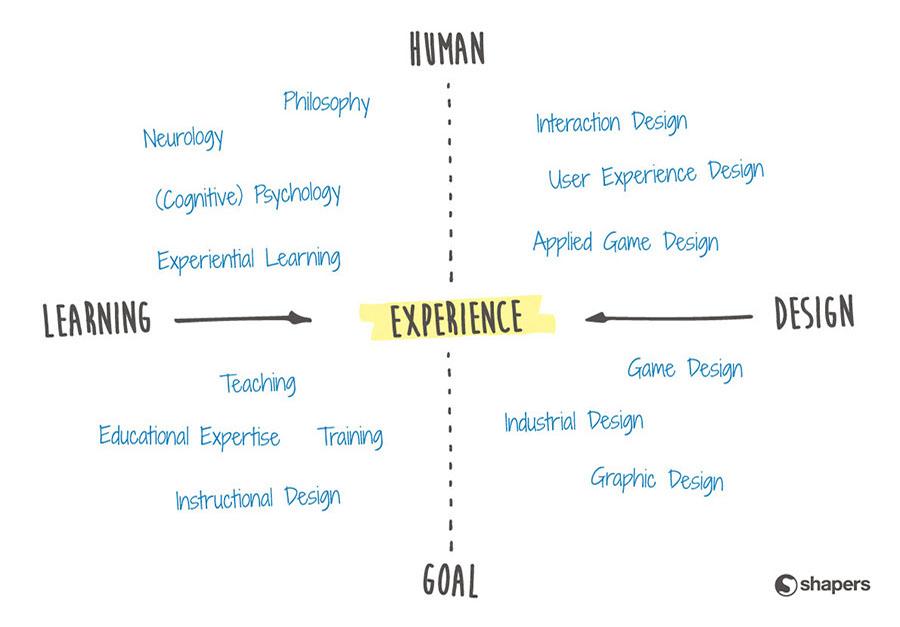
A Learning Experience Designer (LXD) is a specialized professional who blends instructional design principles, educational technology, and user-centered design to develop impactful learning experiences. Unlike conventional instructional designers, LXDs focus on the holistic journey of learners by incorporating engagement, accessibility, interactivity, and technology integration into courses and educational programs.
LXDs are increasingly employed by universities,colleges,and schools to enhance digital and blended learning environments. They ensure that online, hybrid, and face-to-face courses are meaningful, effective, and adaptable to diverse learner needs.
Key Roles and Responsibilities of a Learning Experience Designer
The scope of a Learning Experience designer’s role can vary depending on the institution and type of project,but core responsibilities include:
- Conducting Learner Analysis: Understanding target audience characteristics,prior knowlege,learning preferences,and potential barriers to create personalized experiences.
- Collaborating With Faculty and Subject Matter Experts (SMEs): Partnering with instructors and academic staff to translate complex content into engaging learning modules.
- Designing Curriculum and Courses: Developing curricula and instructional materials grounded in evidence-based learning theories and best practices.
- Integrating Technology: Leveraging educational technologies,Learning Management systems (LMS),multimedia,and digital tools to enhance learning outcomes.
- Fostering Engagement: Creating interactive activities, multimedia content, assessments, and opportunities for collaboration.
- Ensuring Accessibility and inclusivity: Designing materials that comply with accessibility standards (such as WCAG) and cater to diverse learners.
- Assessing and Evaluating Outcomes: Monitoring learner progress, gathering feedback, and using data-driven approaches to assess course effectiveness and make improvements.
- Professional Development: Providing training and support for faculty and staff to adopt new technologies and innovative teaching methodologies.
Essential Skills for Successful Learning Experience Designers
to thrive as a Learning Experience Designer in education technology, you’ll need to cultivate a diverse set of skills, including:
Technical Skills
- Learning Management Systems (LMS): Proficiency with platforms like Canvas, Blackboard, Moodle, or Google Classroom.
- Authoring Tools: Experience with software such as Articulate Storyline, Adobe captivate, or H5P for creating interactive content.
- Multimedia and Graphic Design: Skills in producing videos, animations, infographics, and podcasts using tools like adobe Creative Suite, Canva, or Camtasia.
- Web Accessibility: Understanding of accessibility standards (e.g. ADA, Section 508) and practices to ensure inclusive content.
Pedagogical Skills
- Instructional Design: Applying frameworks like ADDIE, SAM, or Backward design to develop effective learning experiences.
- Assessment Design: Crafting formative and summative assessments that align with learning objectives.
- Learning Analytics: Using data and analytics tools to track learner progress and refine instructional strategies.
Interpersonal and Soft Skills
- Collaboration: Working effectively with cross-functional teams, including faculty, IT, and administrative staff.
- Dialog: Translating technical and pedagogical concepts for diverse stakeholders.
- Creativity and Innovation: Developing novel approaches to engage and motivate learners.
- Project Management: Managing timelines, resources, and multiple projects simultaneously.
Career Path: How to Become a Learning Experience Designer
If you’re interested in pursuing a career as a Learning Experience Designer in the education sector,here’s a step-by-step guide to getting started:
- Educational Qualifications:
- Bachelor’s degree in education,instructional design,educational technology,or a related field is often required.
- Many positions prefer or require a master’s degree focusing on instructional design, educational technology, curriculum development, or learning sciences.
- Build Relevant Experience:
- Gain hands-on experience by working on curriculum development, e-learning projects, or training programs.
- Participate in internships, volunteering, or freelance work to develop your portfolio.
- Develop Technical Competency:
- Practice using LMS, authoring tools, and multimedia software.
- Stay up-to-date with the latest educational technologies and digital pedagogies.
- Network and Seek Mentorship:
- Join professional organizations, attend workshops, and engage with the LXD community.
- Connect with experienced LXDs for guidance and career advice.
- Apply and Advance:
- Target job openings at universities, colleges, and schools that value innovation in education.
- As you gain expertise, you can specialize in areas like mobile learning, gamification, or accessibility, or move into leadership roles such as Senior LXD, Instructional Design Manager, or Director of Learning innovation.
Benefits of Being a Learning Experience Designer
Pursuing a career as an LXD in the education technology sector comes with numerous advantages:
- Impactful Work: You’re directly enhancing student learning and driving educational innovation.
- High Demand: Universities, colleges, and schools increasingly invest in digital learning, expanding job opportunities.
- Continuous learning: Stay at the forefront of educational trends, technologies, and pedagogical practices.
- Collaborative Habitat: Work with diverse teams of faculty, IT specialists, media developers, and administrators.
- Creative Expression: Apply creativity while designing interactive and memorable learning experiences.
- career Advancement: Opportunities to progress into senior-level or specialized positions within educational institutions.
Tips for Aspiring Learning Experience Designers
Ready to launch your career in learning experience design? Here are some practical tips to help you excel:
- Build a Strong Portfolio: Showcase your ability to design courses, create multimedia content, and demonstrate learning outcomes.
- Stay Tech-Savvy: Explore new tools and platforms regularly; experiment with AR/VR, adaptive learning technologies, and AI-powered educational tools.
- Master Accessibility: Prioritize universal design principles to make learning accessible to all students.
- seek Feedback: regularly solicit input from learners and instructors to refine your approach.
- Embrace Lifelong Learning: Take online courses, attend webinars, and earn certifications in instructional design and educational technology.
Conclusion
The role of a Learning Experience Designer is at the heart of modern education technology, shaping the future of how teaching and learning are delivered in universities, colleges, and schools. With the right blend of pedagogical expertise,technological know-how,and creativity,LXDs have the unique opportunity to make a meaningful impact on both educational institutions and student success. If you’re excited by innovation, collaboration, and meaningful work, a career as a Learning Experience Designer might be the perfect fit for you. Start developing your skills, build a compelling portfolio, and position yourself at the vanguard of educational change.