
What Does a Learning Experience Designer (LXD) Do? Key Roles, Skills & Career Paths Explained
Are you passionate about creating engaging learning environments using technology? If you’re exploring careers in education technology at universities, colleges, or schools, the role of a Learning Experience Designer (LXD) might just be your perfect fit. In this article, we’ll dive deep into what an LXD does, the essential skills you’ll need, possible career paths, and practical tips to get started in the fast-growing field of learning design.
Introduction to Learning Experience Design (LXD)
As education continues to evolve with changing technologies, the importance of well-designed learning experiences has never been greater. Learning Experience Designers—sometimes called Instructional Designers or Educational Designers—are at the forefront of this change.They combine expertise in pedagogy, technology, and user experience to produce courses, materials, and programs that help learners succeed in diverse educational settings.
What Is a Learning Experience Designer?
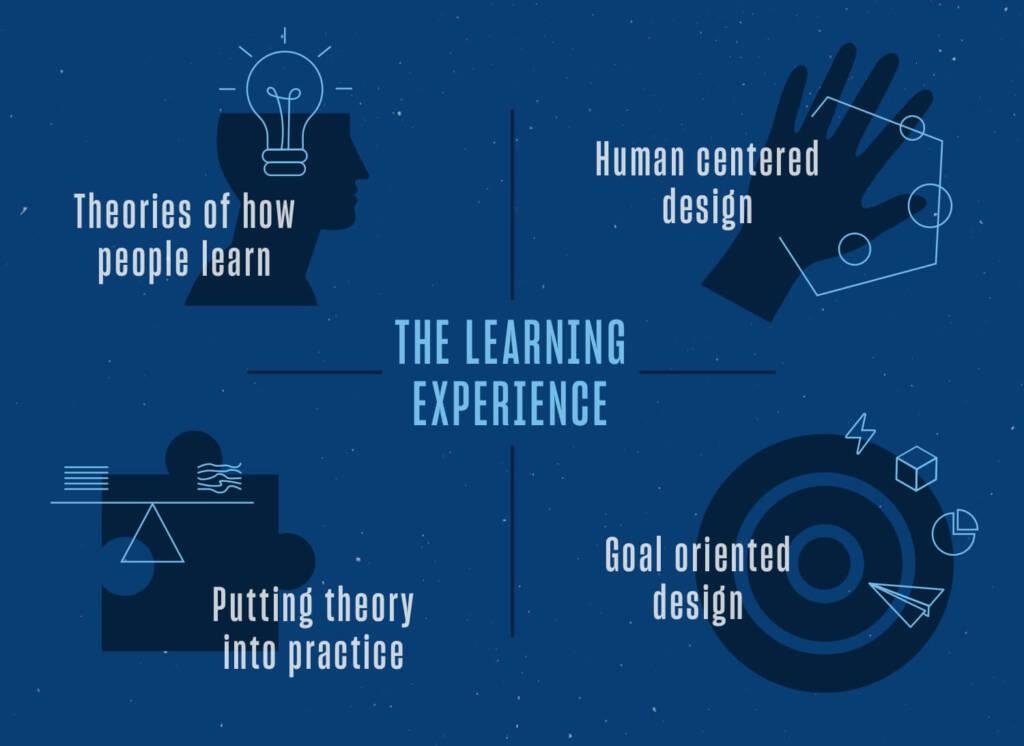
A Learning Experience Designer (LXD) is an education technology specialist who designs, develops, and delivers effective and engaging learning experiences. This role goes beyond simply creating instructional materials—it involves understanding how people learn,leveraging digital tools,and creating student-centered environments in universities,colleges,and K-12 schools.
Key Roles and Responsibilities of a Learning Experience Designer
The work of a learning Experience Designer is both creative and technical. Here are the primary responsibilities you might undertake:
- Needs Analysis: Collaborating with faculty, subject matter experts, and students to understand learning objectives and challenges.
- Curriculum Design: Creating course structures, lesson plans, activities, and assessments aligned with learning outcomes.
- Instructional material Progress: Designing multimedia content, slides, videos, interactive e-learning modules, and other educational resources.
- Technology Integration: Selecting and implementing learning management systems (LMS), authoring tools, and other digital platforms.
- Inclusivity & Accessibility: Ensuring all materials comply with accessibility standards (e.g.,WCAG) for diverse learners.
- Evaluation & Advancement: Gathering data on learner engagement and outcomes, analyzing feedback, and iteratively refining learning experiences.
- Professional Development: Providing training and support for instructors and staff to adopt new digital teaching strategies.
Examples of Projects LXDs Work On:
- Online courses and degree programs for universities or colleges
- blended or flipped classroom experiences in K-12 schools
- Mobile learning apps for adult education
- Interactive simulations for science or healthcare training
- Gamified assessments to boost engagement
Key Skills Required for Learning Experience Designers
To excel as an LXD in educational institutions, you’ll need a dynamic mix of skills. Here’s what most universities, colleges, and schools look for:
- Instructional Design: Mastery of instructional design models (such as ADDIE, SAM, or Backward Design).
- Technology Proficiency: comfort with learning management systems (Canvas, Moodle, Blackboard), authoring tools (Articulate Storyline, Adobe captivate), and video/audio editing software.
- Understanding of Learning Science: Knowledge of cognitive psychology, motivation, and assessment best practices.
- User Experience (UX) Design: Ability to build learner-centered solutions that are easy to navigate and visually appealing.
- Project Management: Skills to manage timelines, budgets, and coordinate with cross-functional teams.
- Dialog & collaboration: Excellent skills to work with teachers, administrators, IT professionals, and students alike.
- Attention to Detail: Ensure content quality, accessibility, and instructional effectiveness.
- Adaptability: Staying current with emerging educational technologies and pedagogical trends.
Soft Skills That Make a Difference:
- Creative problem solving
- Empathy and learner advocacy
- Strong written and verbal communication
- Open-mindedness to feedback and iterative improvement
Educational Background and Qualifications
While pathways into learning experience design can be diverse, here are common qualifications many job seekers present when applying to universities, colleges, or schools:
- bachelor’s Degree: Education, Instructional Design, Educational Technology, curriculum Development, Psychology, or related fields.
- Master’s Degree (preferred or required for some roles): Instructional Design, Learning Sciences, Education technology, or similar areas.
- Certificates and Professional Development: Courses in eLearning, UX in Education, or industry-recognized programs (e.g., ATD, ISTE, or Coursera specializations).
Career Paths and Advancement Opportunities
Learning experience design in higher education, K-12, or corporate environments offers a wide range of career opportunities.As you gain experience, you might move into roles such as:
- Senior Learning Experience Designer
- Instructional Design Team Lead
- Director of E-Learning/Instructional Design
- Learning Technologist
- EdTech product Manager
- Faculty Developer or Trainer
- Consultant in Educational technology
Some Learning Experience Designers also transition into academic research, user experience (UX) roles, or education policy, depending on their interests.
Benefits of Becoming a Learning Experience Designer
Working as an LXD comes with numerous advantages, especially if you’re seeking a purposeful and impactful career:
- Meaningful Work: Directly improve how students learn and succeed at various educational institutions.
- In-Demand Field: EdTech continues to expand, creating abundant opportunities in universities, colleges, and K-12 schools.
- Diverse Projects: Work across disciplines, technologies, and age groups.
- Opportunities for Growth: Continuous learning and professional advancement as digital tools evolve.
- Remote and Flexible Work: Many LXDs enjoy options to work remotely or in hybrid arrangements.
Practical Tips for Job Seekers in Learning experience Design
If you’re considering a career as an LXD in education technology, these strategies can set you apart:
- Build a Strong Portfolio: Showcase sample learning materials, e-learning modules, and accessible course designs.
- Stay Current: Follow edtech trends, attend webinars, and engage with professional organizations.
- Network: Connect with current LXDs, instructional designers, and educators at conferences or on social media platforms.
- Learn Popular Tools: Get hands-on with LMS platforms, authoring suites, and UX prototyping tools.
- Emphasize Soft Skills: Highlight collaboration, communication, and problem-solving abilities when applying for jobs.
- Seek Feedback: Ask peers or mentors to review your sample designs and offer constructive criticism.
Conclusion
The Learning Experience Designer role is an exciting and rewarding path in education technology, especially if you enjoy blending creativity, technology, and pedagogy. Whether you’re interested in shaping the future of learning in universities, colleges, or schools, LXDs are in high demand and are instrumental in preparing students for success. With the right mix of skills, qualifications, and a passion for impactful education, you’re well on your way to making a difference as a Learning Experience designer. Now’s the perfect time to explore this thriving career and become a transformative force in the world of education technology!