
What Does a learning Experience Designer (LXD) Do? Key Skills, Roles & Career Insights
Introduction to the Learning Experience Designer Role
The field of education technology is evolving rapidly, with universities, colleges, and schools embracing digital approaches to teaching and learning. As a result,the role of the Learning experience Designer (LXD) has gained prominence,offering dynamic career opportunities for individuals passionate about shaping modern education. But what exactly does a Learning Experience Designer do, and what skills do you need to succeed? In this complete guide, we’ll delve into the key roles, skills, and career insights relevant to aspiring LXDs in the education sector.
What Is a Learning Experience Designer (LXD)?
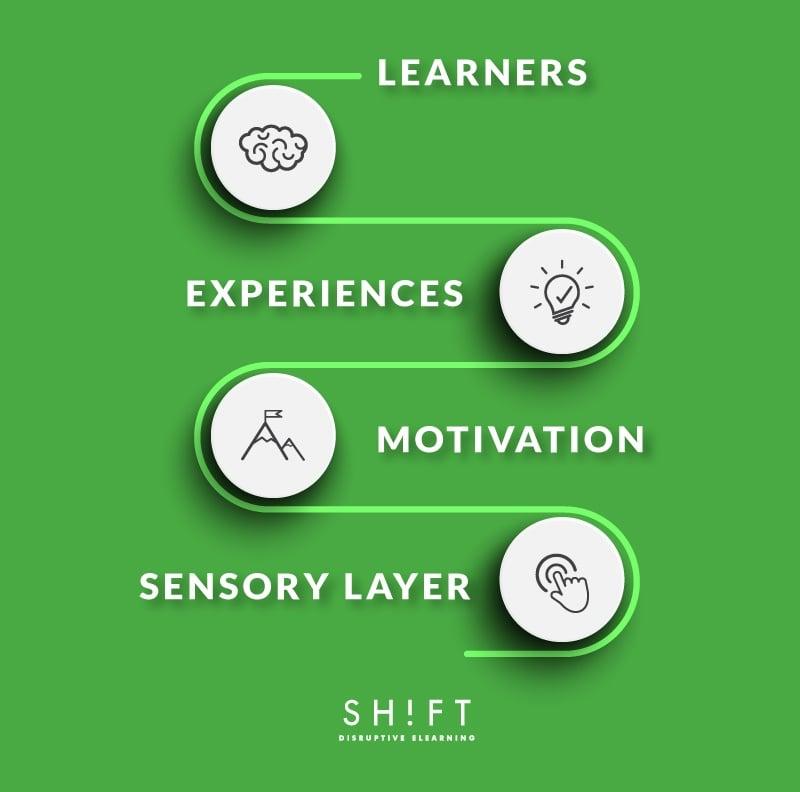
A Learning Experience Designer—frequently enough abbreviated as LXD or instructional designer—is an education technology professional responsible for creating, implementing, and evaluating engaging and effective learning experiences.LXDs go beyond traditional instructional design by focusing on the holistic learner journey, incorporating pedagogy, technology, accessibility, and motivation into their course designs. Whether supporting faculty at a university, developing e-learning modules for a college, or enhancing lessons at a K-12 school, LXDs play a vital role in ensuring impactful education for diverse learners.
core Responsibilities of a Learning Experience Designer
The role of a Learning Experience Designer is multifaceted and may vary depending on the institution. However, some common responsibilities include:
- Collaborating with faculty, subject matter experts, and stakeholders to identify learning goals and outcomes.
- Designing curriculum and course structures that align with educational standards and student needs.
- developing digital learning materials such as videos, interactive media, e-learning modules, and assessments.
- Implementing and evaluating learning technologies (LMS platforms, educational apps, multimedia tools).
- Ensuring that all learning materials are accessible and inclusive for diverse populations, including those with disabilities.
- Analyzing learner data and feedback to continuously improve the learning experience.
- Training and supporting educators in best practices for digital pedagogy and technology integration.
key Skills for Success as a Learning Experience Designer
To thrive as a Learning Experience Designer in education technology, a combination of pedagogical, technical, and interpersonal skills is crucial. Here are the moast sought-after skills for LXDs at universities, colleges, and schools:
1. Instructional Design Expertise
- Knowledge of instructional models (ADDIE, SAM, backward design).
- Ability to translate learning objectives into engaging activities and assessments.
- Understanding of adult learning principles and differentiated instruction.
2. Educational Technology Proficiency
- Familiarity with learning management systems (LMS) such as Canvas, Moodle, or Blackboard.
- Experience with multimedia, authoring tools (Articulate Storyline, Adobe Captivate), and collaboration platforms.
- Awareness of emerging technologies like AR/VR, learning analytics, and microlearning.
3. Visual and User Experience (UX) Design
- Understanding of design principles for digital learning environments.
- Ability to create visually appealing, intuitive, and effective multimedia content.
- Focus on accessibility (WCAG standards) and global design for learning (UDL).
4. Communication & Collaboration
- Strong verbal and written communication skills, including for technical and non-technical audiences.
- Teamwork and facilitation skills to work with educators, IT staff, and administrators.
5. Data-Driven Decision Making
- Ability to analyse learner analytics and assessment data to inform improvements.
- Experience designing feedback mechanisms and iterative enhancements.
Learning Experience Designer: Typical Work Environments
A Learning Experience Designer can find rewarding positions in a variety of educational settings, including:
- Universities & Colleges: Supporting online and blended degree programs, faculty development, and instructional innovation.
- K-12 Schools: Designing digital curricula, lesson plans, and professional learning for teachers.
- EdTech Companies: Creating products, platforms, and services for education institutions or direct-to-consumer learning.
Career Insights and Advancement Opportunities
The demand for Learning Experience Designers is expected to grow as more institutions invest in digital learning solutions. Entry-level roles may have titles such as Instructional Designer, E-Learning developer, or Digital Learning Specialist. With experience, LXDs can move into leadership or strategic roles, such as Senior LXD, Learning Architect, Director of Learning Innovation, or educational Technology Manager.
Many educational institutions offer opportunities for professional development, certifications, and collaborative projects.Building a diverse portfolio showcasing curriculum design, multimedia development, and prosperous learning outcomes can greatly enhance your job prospects.
Benefits of a Career as a Learning Experience designer
- High Impact: Make a meaningful difference by designing engaging and equitable learning experiences for diverse student populations.
- Job Security: Growing demand for digital education and online learning ensures a steady need for skilled LXDs.
- Collaborative Culture: Work with passionate educators, technologists, and administrators in a dynamic habitat.
- Continuous Learning: Stay at the forefront of technology,pedagogy,and innovation in education.
- Career Versatility: Transferable skills open doors to roles in K-12, higher education, corporate learning, and edtech companies.
How to Become a Learning Experience Designer: Practical Tips
- Earn Relevant Qualifications: Most positions require a bachelor’s or master’s degree in education, instructional design, educational technology, or a related field.
- Build a Professional Portfolio: Showcase sample projects, courses, e-learning modules, and design documents.
- Stay Current: Follow education technology trends, participate in webinars, and join professional networks or associations.
- Develop Technical skills: gain proficiency with LMS platforms, authoring tools, and accessibility standards.
- Volunteer or Intern: Seek opportunities at local schools, universities, or nonprofit organizations to gain hands-on experience.
- Highlight Soft Skills: Effective communication,collaboration,project management,and creative problem-solving are highly valued by employers.
Conclusion: Is Learning Experience Design the Right Path for You?
If you are passionate about combining education, technology, and creativity to enhance student learning, a career as a Learning Experience Designer offers a uniquely rewarding pathway. By developing the right mix of instructional, technical, and interpersonal skills, you can definitely help shape the future of education technology at universities, colleges, and schools. Explore this exciting field, prepare yourself with practical experience and ongoing learning, and take the next step toward a meaningful and impactful career as a learning Experience Designer.