
What Does a Learning Experience Designer (LXD) Do? Key Skills, Roles & Career Paths Explained
With the rapid growth of education technology in today’s academic institutions, the role of the Learning Experience Designer (LXD) has become increasingly vital. If you’re thinking about launching or advancing your career in education technology at universities, colleges, or schools, understanding the job responsibilities, required skills, and potential career paths for a Learning Experience Designer is essential. this comprehensive guide will help you navigate this exciting field and equip you with practical insights for becoming a prosperous LXD.
Introduction to Learning Experience Design (LXD)
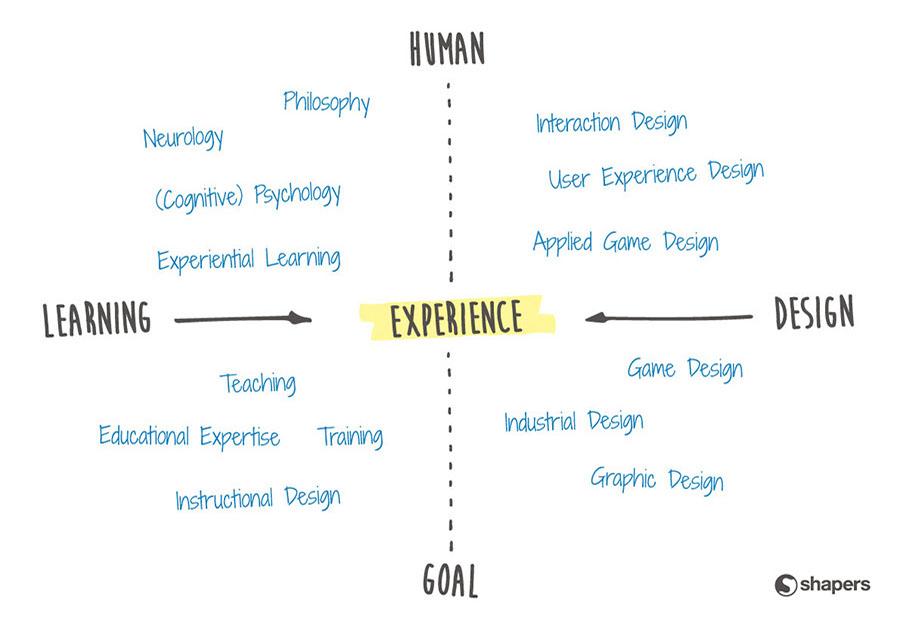
Learning Experience Design (LXD) is a multidisciplinary field that focuses on creating effective, engaging, and accessible learning experiences using modern instructional design principles, educational psychology, technology tools, and learner-centered strategies.In universities, colleges, and schools, LXDs play a critical role in shaping curricula, digital courses, and educational resources that drive true student success.
What Does a learning Experience Designer (LXD) Do?
At its core, a Learning Experience Designer is responsible for designing, developing, and evaluating digital and blended learning experiences that foster deep, meaningful engagement. LXDs leverage a variety of educational technologies and pedagogical approaches to support instructors and learners throughout the learning process. Here’s what a typical day or project looks like for an LXD in higher education or K-12 settings:
- Analyzing Learning Needs: Conduct needs assessments and consult with faculty or classroom teachers to understand course goals, learner profiles, and educational outcomes.
- Curriculum & Course Design: Develop learning objectives, instructional materials, multimedia resources, and assessments tailored to student needs.
- Integrating educational Technology: Select,recommend,and implement learning management systems (LMS),e-learning tools,and digital platforms to enhance teaching and learning.
- Creating inclusive Learning Environments: Apply Universal Design for Learning (UDL) and accessibility standards to ensure educational equity for all students.
- Prototyping and User Testing: Develop prototypes of digital resources,gather feedback from learners and educators,and refine content iteratively.
- Training & Support: Provide professional progress to faculty or staff on new educational technologies, active learning strategies, and course redesign best practices.
- Measuring & evaluating Impact: Analyze data and feedback to assess learning outcomes, ensure continuous betterment, and report results to stakeholders.
Key Responsibilities of a Learning Experience designer
- Collaborating with subject matter experts (SMEs), graphic designers, media specialists, and IT staff
- Project managing course development from conception to delivery
- Ensuring regulatory and institutional compliance for digital courses
- Incorporating emerging technologies like AR/VR, adaptive learning, and analytics where appropriate
- Documenting design decisions and maintaining version control
Essential Skills for Learning Experience Designers
Succeeding as a Learning Experience Designer in education technology requires a broad and evolving skill set. Employers in universities, colleges, or schools typically look for the following core competencies:
Instructional Design
- Knowlege of instructional design models (ADDIE, SAM, Backward Design, etc.)
- Ability to write measurable learning outcomes and align content/assessment accordingly
- Expertise in designing for diverse learners with various backgrounds, abilities, and learning styles
Technology Proficiency
- Experience with Learning Management Systems (Blackboard, Canvas, Moodle, Google Classroom, etc.)
- Comfort with authoring tools (Articulate Storyline, Adobe Captivate, H5P, etc.)
- Familiarity with video conferencing, multimedia, and online collaboration platforms
Assessment & Analytics
- Building formative and summative assessments (quizzes, discussions, projects, portfolios)
- Utilizing learning analytics to inform design improvements
Collaboration & Interaction
- Working closely with various stakeholders, from faculty to administrators and IT support
- Translating complex ideas into clear, actionable plans for others
- Delivering effective training and support for end users
Creativity & Problem-Solving
- Generating innovative ideas to solve pedagogical challenges
- Adapting to emerging trends and institutional priorities rapidly
Roles and Work Environments for LXDs
Learning Experience Designers are in high demand across a wide range of settings in the education sector. Here’s where LXDs are moast often employed:
- Universities & Colleges: Supporting faculty members with online, hybrid, and in-person course development, often as part of teaching and learning centers or e-learning teams.
- K-12 Schools & Districts: Designing digital curriculum or blended learning experiences for elementary, middle, or high schools.
- Educational Publishers & EdTech Companies: Developing products, platforms, or resources used by educational institutions worldwide.
- Government, Nonprofits, and Corporate Training Divisions: Applying learning design strategies to workforce or community education programs.
Career Paths and Advancement in Learning Experience Design
The career ladder for a Learning Experience Designer in education technology offers a wealth of prospect for professional growth. Typical career paths include:
- Entry-Level: Instructional Technologist, E-Learning Specialist, Curriculum Support Specialist
- Mid-Level: Learning Experience Designer, Instructional Designer, Digital Learning Specialist
- Senior-Level: Senior LXD, Director of Instructional Design, Director of Digital Learning, Educational Technology Manager
- Related Paths: Faculty Developer, Learning Consultant, UX Designer in EdTech, Academic Project Manager
With more experience or specialized education, you may transition to supervisory or strategic leadership roles, manage large-scale digital transformation projects, or even teach courses in instructional design or educational technology.
Benefits of Becoming a Learning Experience Designer
Choosing a career as a Learning Experience Designer in universities, colleges, or schools comes with compelling benefits:
- Impact: Directly shape how students and educators engage with learning, improving outcomes institution-wide.
- Variety: Work with multiple disciplines, departments, and innovative technologies.
- Career Security: strong demand for LXDs as online and hybrid learning options expand.
- Continual Learning: Stay at the forefront of educational innovation and technology trends.
- Competitive Salaries: Particularly in higher education institutions or EdTech firms.
Practical Tips for Aspiring Learning Experience Designers
- Build a Portfolio: Showcase your course designs, multimedia projects, and user-centered solutions.
- Gain Certifications: Consider certifications in instructional design, project management, or edtech tools to enhance your resume.
- Network: Engage with professional organizations, attend conferences, and connect with LXDs in your field.
- Stay Current: Follow trends in education technology, accessibility standards, and pedagogical research.
- Seek Feedback: Gather input from educators and students to refine your approach continuously.
How to Get Started as a Learning Experience Designer
If you’re ready to pursue a role as a Learning Experience Designer in education technology, here are some practical steps:
- Earn Relevant Education: A degree in instructional design, education technology, curriculum development, or a related field is often required.
- Develop Technical Skills: Master learning management systems, authoring tools, and multimedia development platforms.
- Apply for Internships or Entry-Level Roles: Gain hands-on experience in university technology centers, K-12 IT departments, or educational publishers.
- Enhance Your Soft Skills: Sharpen your communication, project management, and collaboration abilities.
Conclusion
As educational institutions continue to integrate technology and innovative teaching strategies, the role of the Learning Experience Designer is both rewarding and essential. whether you’re passionate about instructional design, digital curriculum, or leveraging cutting-edge educational technologies, becoming an LXD offers a unique opportunity to make a lasting impact in higher education and schools. By mastering the key skills, understanding the roles and career paths, and actively engaging with the education technology community, you’ll set yourself up for long-term success as a Learning Experience Designer.
Ready to shape the future of learning? Start your journey in Learning Experience Design today and help redefine how education is delivered and experienced in universities, colleges, and schools around the world.