
What Does a Learning Experience Designer (LXD) Do? role, Skills & Career Insights
Are you passionate about education technology and eager to shape learning in innovative ways? If so, the role of a Learning Experience Designer (LXD) might be your perfect career match. as universities,colleges,and schools increasingly adopt digital tools and online learning,LXDs are in high demand to create transformative educational experiences. In this complete guide, you’ll discover what a Learning Experience Designer does, the essential skills required, and valuable career insights to help you succeed in this dynamic edtech field.
What is a Learning experience Designer (LXD)?
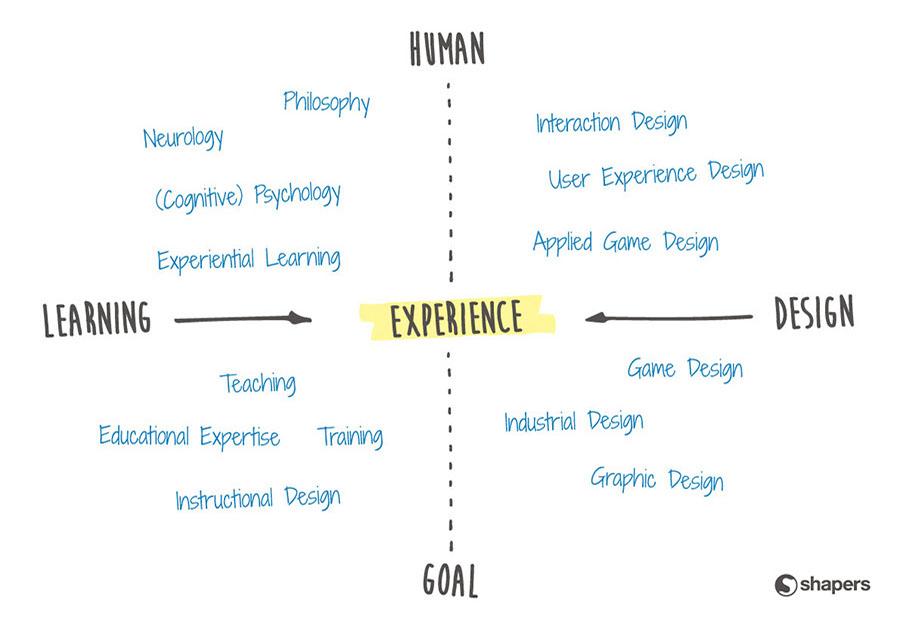
A Learning Experience Designer is a professional who crafts engaging, impactful, and learner-centered educational experiences using technology, instructional design, and an understanding of how people learn best. Unlike customary instructional designers who focus mainly on content delivery, LXDs emphasize the overall learning journey, using technology to foster interaction, accessibility, and deep understanding.
LXDs work in various educational settings—universities, colleges, schools, and online education platforms—collaborating with faculty, administrators, technologists, and students to elevate educational outcomes.
The Role of a Learning Experience Designer
The core responsibilities of a Learning Experience Designer revolve around designing, developing, and evaluating educational experiences that leverage digital tools. Here’s what LXDs typically do:
- Analyze Learning needs: Conduct needs assessments by gathering feedback, performing surveys, and analyzing learning objectives to pinpoint what students truly need.
- Design Learning Experiences: Create engaging courses, modules, or programs that blend instructional strategies, multimedia, and interactive elements tailored to diverse learners.
- Develop Digital Content: Use edtech tools to produce videos,podcasts,interactive activities,simulations,and assessments.
- Collaborate with Stakeholders: Work with educators, subject matter experts, IT specialists, and students to co-create effective educational solutions.
- Evaluate and Improve: Assess the effectiveness of learning experiences through data analysis,feedback,and learning analytics,then iterate for continuous betterment.
- Promote Accessibility and Inclusion: Ensure all learning experiences meet accessibility standards and accommodate diverse learning needs and backgrounds.
- Implement Learning technologies: Integrate Learning Management Systems (LMS), e-learning tools, and emerging technologies (like AR/VR or AI) to enrich learner engagement.
Key Skills Required for Learning Experience Designers
Thriving as a Learning Experience Designer in the education technology space at a university, college, or school requires a mixture of technical, creative, and interpersonal abilities. Below are the must-have skills for aspiring LXDs:
- Instructional Design Expertise: Familiarity with learning theories, instructional models (e.g., ADDIE, SAM), and curriculum development.
- EdTech Tool Proficiency: Strong skills in using Learning Management Systems (such as Canvas, Moodle, or blackboard), authoring software (e.g., Articulate Storyline, Adobe Captivate), and collaborative technologies.
- User Experience (UX) Design: Create intuitive, accessible, and engaging interfaces for diverse learners.
- Project Management: Organize and oversee multiple projects and deadlines while collaborating with multidisciplinary teams.
- Critical Thinking & Problem Solving: Ability to identify learning challenges and devise effective solutions using data and innovative strategies.
- Communication & Collaboration: Clearly convey ideas and work effectively with faculty, IT staff, and learners.
- Assessment & Evaluation: Design formative and summative assessments that align with learning outcomes and analyze data to improve instructional effectiveness.
- adaptability & Continuous Learning: Stay updated on edtech trends,new pedagogies,and digital learning tools.
Day-to-Day Responsibilities of a Learning Experience Designer
Every day as a Learning Experience Designer is unique, often involving a combination of these tasks:
- Consulting with instructors to translate traditional classes into online or hybrid formats
- Storyboarding new online modules and mapping out learner pathways for optimal engagement
- Developing or curating multimedia content, such as graphics, videos, or podcasts
- testing and troubleshooting digital learning objects and tools for usability and accessibility
- Leading or participating in professional development workshops on edtech best practices
- Analyzing learning analytics to refine course design and recommend improvements
- Researching new digital tools and pedagogies to enhance teaching and learning
Qualifications and Pathways to Become a Learning Experience Designer
Employers at universities, colleges, and schools typically look for these qualifications in LXDs:
- educational Background: Bachelor’s or master’s degree in instructional design, educational technology, curriculum development, or a related field.
- Certifications: Optional but valuable certifications include Certified Professional in Learning and Performance (CPLP), ATD Learning Technologies Certificate, or specialized edtech and UX design credentials.
- Portfolio: A robust portfolio showcasing examples of learning experiences designed, such as interactive courses, multimedia, and assessments.
- Practical Experience: Experience in teaching, instructional design, multimedia development, or e-learning project management is highly advantageous.
Benefits of Working as a Learning Experience Designer
Choosing a career as a Learning Experience Designer in education technology comes with several rewards:
- Impact: Directly influence how students learn and succeed in digital and hybrid environments.
- Diversity of Work: No two days are the same—LXDs tackle new challenges and innovative projects regularly.
- Professional Growth: The edtech sector is continually evolving,offering ongoing opportunities for upskilling and advancement.
- Collaboration: Work alongside passionate educators, technologists, and diverse stakeholders.
- Flexibility: Many LXDs work remotely or in hybrid roles, offering a range of work-life balance options.
- High Demand: Universities, colleges, and K-12 institutions are rapidly expanding digital initiatives, increasing opportunities for LXDs.
Career Insights and Opportunities for Learning Experience Designers
The demand for skilled Learning Experience Designers in universities, colleges, and schools continues to rise, as institutions prioritize digital learning, hybrid classrooms, and accessible education. Here’s a look at typical career paths and advancement:
- Entry-Level: Start as an instructional designer, e-learning developer, or edtech support role, gaining experience in learning design projects.
- Mid-Level: Move into LXD specialist or coordinator positions,leading course design initiatives or technology integration projects.
- Advanced: Progress to senior LXD, learning architect, digital learning manager, or director of learning innovation, overseeing strategic initiatives and teams.
- Specializations: Focus in areas like UX design for education, accessibility, gamification, assessment design, or faculty development.
With technology reshaping education,Learning Experience Designers are positioned at the forefront of this evolution,enjoying strong job stability and diverse pathways.
Practical tips for Aspiring Learning Experience Designers
- Build Your Portfolio: Create sample projects, even as a student or volunteer, to showcase your design thinking, technology use, and creativity.
- Stay Current: Follow edtech trends, attend virtual conferences, and participate in webinars or online learning communities.
- Network: Join professional groups like the Association for Educational Communications and Technology (AECT), Learning Guild, or EDUCAUSE.
- Request Feedback: Collaborate with experienced LXDs and educators, and seek constructive feedback on your designs.
- Learn New Tools: Explore and master multiple authoring tools, video editing suites, and analytics platforms.
- Embrace Lifelong Learning: Take online courses or pursue certifications related to instructional design, edtech, or UX.
Conclusion: Is Learning Experience Design Right for You?
The role of a Learning Experience Designer is more than just integrating technology into education—it’s about creating meaningful, inclusive, and engaging learning journeys that empower students at all levels. If you’re creative, tech-savvy, communicative, and passionate about bettering education in universities, colleges, or schools, this is a rewarding and future-proof career path in education technology.
Ready to make a difference and launch your career in edtech? Start building your skills, portfolio, and professional network today, and join the forefront of educational innovation as a Learning Experience Designer.