
What Does a Learning Experience Designer (LXD) Do? Roles, Skills, and Career Guide
Are you passionate about education technology and eager to shape how students learn in universities, colleges, or K-12 schools? The role of a Learning Experience Designer (LXD) is rapidly becoming one of the most sought-after positions in academic institutions. As the landscape of education continues to evolve with digital transformation,LXDs play a vital role in creating engaging,effective,and inclusive learning experiences. This comprehensive career guide will explore what a Learning experience Designer does, the skills required, the benefits of the role, and practical tips for launching your own career in this dynamic field.
What is a Learning Experience Designer (LXD)?
A Learning Experience Designer, sometimes referred to as an LXD, is an education technology professional who designs, develops, and evaluates instructional materials and activities. Their primary goal is to optimize learner engagement and facilitate better learning outcomes using technology-driven methods. Unlike customary instructional designers, LXDs focus on the entire learning journey—ensuring the process is not only informative but also motivating, accessible, and user-centered.
Key Roles and Responsibilities of a Learning Experience Designer
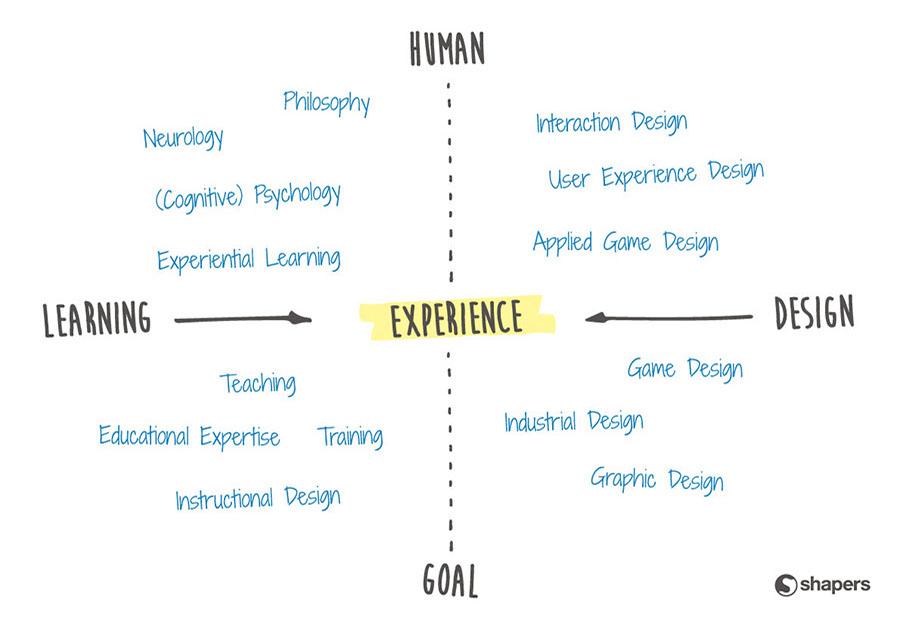
Learning Experience Designers work at the intersection of pedagogy, technology, and user experience. Their responsibilities can vary depending on the institution,but typically include:
- Conducting needs assessments: Researching learner needs,challenges,and context to inform the design process.
- Curriculum and course design: Creating engaging lesson plans, modules, and programs—often for online, hybrid, or blended formats.
- Developing digital content: Designing interactive materials such as e-learning modules, multimedia presentations, assessments, and simulations.
- Applying learning theories: Leveraging evidence-based pedagogical frameworks (e.g., constructivism, adult learning theory) to enhance learning experiences.
- integrating educational technology: Selecting and utilizing Learning Management Systems (LMS), learning analytics tools, and educational software.
- Collaborating with stakeholders: Working closely with subject matter experts, faculty, IT teams, and learners to develop effective solutions.
- Assessment and evaluation: Designing assessment tools and analyzing learning data to measure the effectiveness of instructional designs.
- Promoting accessibility and inclusivity: Ensuring that learning experiences are accessible to all students,including those with disabilities or diverse backgrounds.
Essential Skills for learning Experience Designers
Succeeding as a Learning Experience Designer in the education technology sector requires a mix of technical,creative,and interpersonal skills. Some of the most sought-after skills include:
- Instructional Design: Deep understanding of pedagogical principles and curriculum growth.
- Technology Proficiency: Familiarity with LMS platforms (such as Canvas, Blackboard, or Moodle), e-learning authoring tools (Articulate storyline, Adobe Captivate), and multimedia editing software.
- User Experience (UX) Design: Ability to create intuitive, user-friendly interfaces and learning journeys.
- Project Management: Organizational skills to oversee project timelines,resources,and stakeholder interaction.
- Data analysis: Analyzing learner feedback and educational data to inform design improvements.
- Creativity: Developing innovative, engaging materials that inspire learners.
- Collaboration and Communication: Working effectively with cross-functional teams and presenting ideas clearly.
- problem-Solving: Ability to address learning challenges with practical, learner-centered solutions.
Educational Background and Certifications
Most Learning Experience Designers hold at least a bachelor’s degree in education, instructional design, educational technology, human-computer interaction, or a related field.Many positions,particularly at universities or colleges,prefer or require a master’s degree or specialized certification. Relevant credentials include:
- Master’s in Instructional Design or Educational Technology
- Certificate in eLearning Development or learning Experience Design
- Certified Professional in Learning and Performance (CPLP)
- Human-Computer Interaction or UX Design certificates
Ongoing professional development is highly encouraged as technology and educational trends evolve rapidly.
career Pathways and Job Opportunities
Learning Experience Designers are in high demand within the education technology sector at universities, colleges, and schools.Career pathways include:
- K-12 Schools: Designing blended learning programs,digital curricula,and personalized learning solutions.
- Colleges and Universities: Developing online degree programs, MOOCs, and faculty development workshops.
- EdTech Companies: Joining startups or established firms that create educational software and digital products.
- Corporate Training: Designing training materials and e-learning for business settings,which often overlaps with academic LXD roles.
- Freelancing/Consulting: providing instructional design services to multiple clients or institutions.
Benefits of Becoming a Learning Experience Designer
Pursuing a career as an LXD offers numerous personal and professional benefits:
- Positive Impact: Shape how learners access and engage with knowledge in meaningful ways.
- Career Growth: Growing demand for education technology professionals with opportunities for specialization and advancement.
- continuous Learning: Stay on the cutting edge of both technology and pedagogy.
- Work Adaptability: Many LXD roles offer remote or hybrid work options.
- Creative Expression: Opportunities to design captivating and interactive learning experiences.
Practical Tips for Aspiring Learning Experience Designers
If you’re aiming to land your first job as a Learning Experience Designer in the education sector, here are some practical tips to accelerate your journey:
- Build a portfolio: Showcase your instructional designs, storyboards, and e-learning samples. Consider volunteering or working on open educational resource projects to gain experience.
- Network Strategically: Attend EdTech conferences, webinars, or join professional groups to connect with industry leaders.
- Stay Informed: Keep up with trends in education technology, such as AI in learning, gamification, and microlearning.
- Refine Technical Skills: Take online courses on LMS administration, authoring tools, or UX design to broaden your skill set.
- Highlight Soft Skills: Communication, empathy, and adaptability are highly valued by employers.
- seek feedback: Actively solicit input from peers or mentors to continuously improve your designs and approach.
Sample Job Description: Learning Experience Designer
To give you a clearer idea of what employers seek, here’s a brief example of a real-world Learning Experience Designer job posting:
- Responsibilities: Collaborate with faculty to design online courses, develop multimedia learning assets, ensure accessibility compliance, analyze engagement data, and recommend course improvements.
- Required Skills: LMS management, instructional design, UX best practices, communication, project management.
- Preferred Qualifications: Master’s degree in Educational Technology, portfolio of prior projects, experience with adaptive learning technologies.
Conclusion: Charting Your Career as a Learning Experience Designer
As education continues its digital transformation, the role of a Learning Experience Designer is more critical than ever. LXDs are trailblazers who combine educational theory, technology, and creativity to revolutionize how knowledge is delivered in universities, colleges, and schools. With a robust set of skills, a strong portfolio, and a passion for education technology, you can enjoy a rewarding and future-proof career helping learners succeed. Start exploring opportunities today and be part of the change that shapes the future of education.