
What Does a Learning Experience Designer (LXD) do? Roles, Skills, and Career Path Explained
Are you passionate about education and technology? Curious about how to bridge teh gap between innovative tech and effective teaching in schools, colleges, or universities? If so, the role of a Learning Experience Designer (LXD) might be the perfect career choice for you. In this comprehensive guide,we’ll explain what a Learning Experience Designer does,the essential skills required,key responsibilities in academic settings,and how you can build a rewarding career in education technology as an LXD.
Introduction to the Learning Experience Designer role
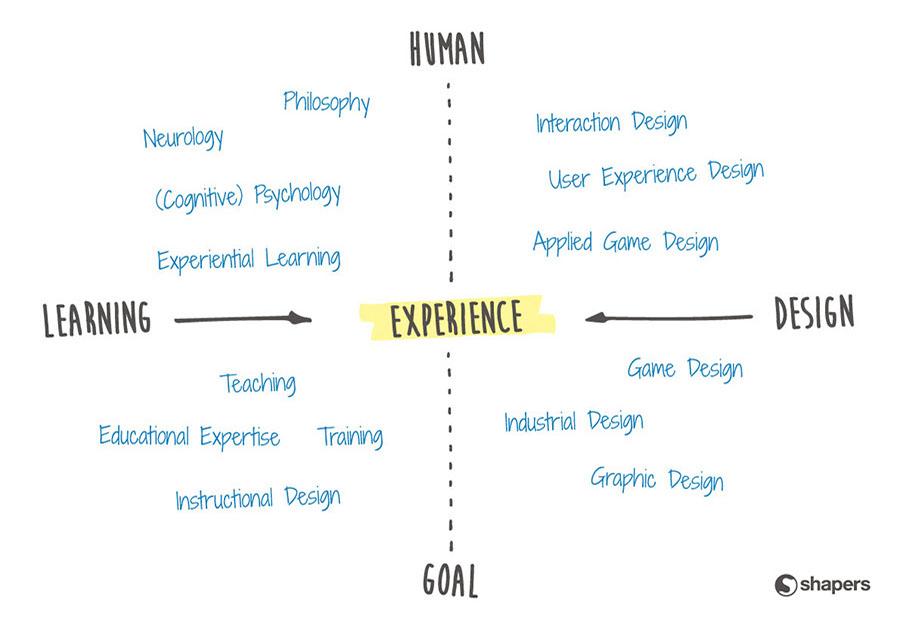
The rise of digital learning in higher education and K-12 schools has created an urgent demand for professionals who can craft engaging, accessible, and impactful educational experiences. Learning experience Designers (LXDs) are at the forefront of this transformation. They blend instructional design, technology integration, and user experience (UX) principles to create learning solutions that truly connect with diverse student audiences.
Whether working at a university, college, or school, a Learning Experience Designer plays a pivotal role in reimagining how students learn and educators teach in the digital age.
What Does a Learning Experience Designer Do?
Learning Experience Designers analyze learning objectives,student needs,and content requirements to design,develop,and implement instructional materials and digital learning environments. Their main focus is to ensure learners not only acquire knowledge but also enjoy a positive and meaningful educational journey.
Core Responsibilities of an LXD
- Needs Assessment: Evaluating learner profiles, educational goals, and institutional requirements to inform design decisions.
- Curriculum and Course Design: Creating engaging courses and instructional modules that align with academic standards and best practices.
- Content Advancement: Developing learning materials, multimedia resources, interactive activities, and formative assessments.
- Technology Integration: Selecting and incorporating digital tools, learning Management Systems (LMS), and adaptive technologies that enhance access and learning outcomes.
- Usability and Accessibility: Ensuring all learning resources are accessible, inclusive, and optimized for a wide range of devices and abilities, including compliance with regulations such as WCAG and ADA.
- Collaboration with Faculty and Staff: Working alongside instructors, subject matter experts, and IT specialists to co-create high-quality educational experiences.
- Continuous Improvement: Gathering learner feedback, analyzing data, and iterating designs to increase instructional effectiveness.
Key Skills and Competencies for a Learning Experience Designer
To succeed as a Learning experience Designer in education technology, you’ll need a blend of pedagogical expertise, technical know-how, and creative thinking. Here are the most sought-after skills for LXDs seeking roles at universities, colleges, or schools:
Instructional Design & Curriculum Development
- Applying instructional design models (such as ADDIE, SAM, or Backward Design) to plan and shape content.
- Aligning learning objectives with assessments and instructional activities.
Technology and Multimedia Proficiency
- Experience with Learning Management Systems (Canvas, blackboard, Moodle, etc.).
- Proficiency in e-learning authoring tools (Articulate Storyline, Adobe Captivate, H5P).
- Familiarity with educational technology trends like virtual reality (VR), gamification, and mobile learning.
User Experience (UX) & Accessibility
- Applying UX principles to make learning intuitive and enjoyable.
- Designing for diverse learners, ensuring accessibility, and understanding global design for learning (UDL).
soft Skills
- Collaboration and communication with educators and stakeholders.
- Project management and organizational skills.
- Creativity, problem-solving, and adaptability in a rapidly evolving field.
Typical Career Path for Learning Experience Designers
Learning Experience Design is a dynamic and fast-growing field within education technology.Here’s how yoru career could progress:
Entry-Level Roles
- Instructional Designer
- E-learning Developer
- Multimedia Specialist
Mid-Level & Senior Positions
- Learning Experience Designer (LXD)
- Senior Instructional Designer
- Educational Technology Specialist
- Curriculum Developer
leadership Opportunities
- Director of Learning Innovation
- Head of Digital Learning
- Instructional Design Manager
Professionals may also choose to specialize in areas such as K-12, higher education, workforce training, or niche technology (like mobile or gamified learning).
Benefits of Being a Learning Experience Designer in Education Technology
Pursuing a career as an LXD in academic settings offers several rewarding benefits:
- Meaningful Impact: Directly enhance student learning experiences and outcomes.
- Innovation: Work at the cutting edge of educational technology and pedagogical strategy.
- Growth Opportunities: High demand for skilled LXDs across K-12 schools, colleges, and universities.
- Collaboration: Engage with a creative mix of educators, technologists, and learners.
- Job Security: As online and blended learning continue to grow, the need for LXDs remains strong.
- Remote Flexibility: Many LXD roles offer hybrid or fully remote work opportunities.
Practical Tips to Launch Your Career as a Learning Experience Designer
If you’re eager to pursue a Learning Experience designer job in schools, colleges, or universities, these actionable tips will help you get started:
- Pursue Relevant Education: Degrees in instructional design, educational technology, curriculum development, or related fields are highly regarded.
- Develop a Strong Portfolio: showcase your projects, course prototypes, interactive lessons, and multimedia work to potential employers.
- Learn Popular Tools: Gain expertise in LMS platforms,authoring tools,and accessibility best practices.
- Stay Updated: Follow trends in edtech, digital pedagogy, and UX design for continuous skill development.
- Network: Join professional education technology associations, attend webinars, and participate in online communities to connect with peers and hiring managers.
- request Feedback: Regularly seek input from learners and teaching staff to refine your skills and approaches.
Education Technology Industry Outlook for Learning Experience Designers
The landscape of education technology is rapidly expanding.As more universities, colleges, and schools embrace digital transformation, the demand for Learning Experience Designers continues to rise. According to recent industry reports, roles related to instructional design, digital learning, and user experience in education are experiencing sustained growth and opening new career opportunities across the globe.
Employers highly value candidates who understand both the pedagogical and technological dimensions of learning. As institutions seek to differentiate their student experiences and improve educational outcomes, Learning Experience Designers are crucial contributors to their success.
Conclusion
Learning experience Designers have emerged as key players in the evolution of education technology, dramatically reshaping how learning happens in academia. By combining expertise in instructional design, technology tools, and user experience principles, LXDs empower students and educators to achieve more with every lesson and interaction.
If you’re seeking a rewarding job in education technology at a university, college, or school, becoming a Learning Experience Designer offers you a dynamic, meaningful, and future-proof career path. Armed with the right skills, experience, and passion for improving education, you’ll be well-positioned to thrive in this essential and ever-evolving field.