
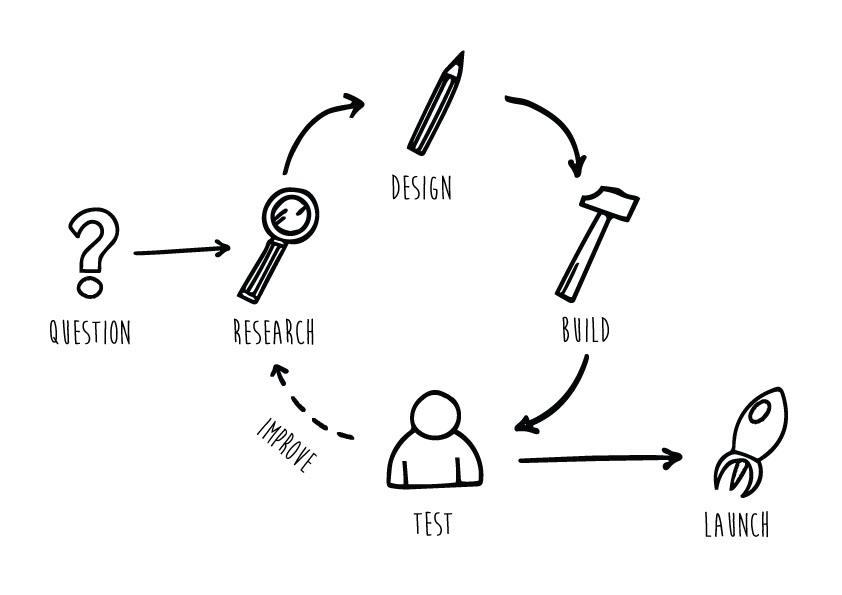
What Does a learning experience Designer (LXD) Do? Roles,Skills & Career Insights
As educational institutions increasingly adopt technology-enhanced learning,the demand for Learning Experience Designers (LXD) is skyrocketing. If you are considering a career in education technology—especially at universities, colleges, or K-12 schools—understanding the role of a Learning Experience Designer is crucial. This guide delves into the responsibilities, required skills, career prospects, benefits, and practical tips for aspiring LXDs, helping job seekers chart a rewarding path in this dynamic field.
Introduction to Learning Experience Design
Learning Experience Design (LXD) is an emerging, interdisciplinary field dedicated to creating impactful and engaging educational experiences using technology, pedagogy, and design thinking. LXDs work at the intersection of education, psychology, user experience (UX), and instructional design to craft learning solutions that cater to diverse learners’ needs in universities, colleges, and schools.
What Does a Learning Experience Designer do?
The core responsibility of a learning Experience Designer is to strategize,develop,and assess learning environments that enhance student engagement and success. Unlike conventional instructional designers, LXDs emphasize the overall journey and feelings of learners, ensuring that digital and blended learning paths are meaningful, accessible, and effective.
Key Roles and Responsibilities
- Needs Analysis: Collaborating with faculty, administrators, and learners to identify educational goals, challenges, and learner needs.
- Course Design & Advancement: Designing online and blended courses, interactive modules, and multimedia content that align with learning objectives and evidence-based pedagogy.
- User Experience (UX) Research: Gathering feedback through surveys, interviews, and analytics to inform continuous improvement.
- Assessment Integration: Creating formative and summative assessments (e.g. quizzes, projects) that accurately measure learning outcomes.
- Technology Integration: Leveraging Learning management Systems (LMS), educational apps, and emerging technologies (like AR/VR or adaptive learning tools) to support diverse learning styles.
- Accessibility and Inclusivity: Ensuring all course materials are accessible to students with disabilities and are culturally responsive.
- Professional Development: Training educators to effectively use digital tools, teaching strategies, and best practices in technology-enabled environments.
- Project Management: Coordinating timelines, resources, and stakeholder communication to deliver projects on schedule.
- Quality Assurance and Evaluation: Reviewing and updating content to align with institutional standards and learner feedback.
Core Skills Required for Learning Experience Designers
Excelling as an LXD in higher education or K-12 requires a unique blend of technical knowlege, pedagogical insight, creative thinking, and interpersonal skills. Here are the essential competencies you’ll need:
- Instructional design Principles: Deep understanding of curriculum development, learning theories (such as Bloom’s Taxonomy), and backward design models.
- User Experience (UX) Design: Skills in journey mapping, wireframing, prototyping, and user testing to optimize digital learning experiences.
- Digital Literacy: Proficiency in e-learning authoring tools (e.g. Articulate Storyline, Adobe Captivate), LMS platforms (e.g. Canvas, Moodle), and multimedia creation (audio, video, graphics).
- Accessibility Standards: familiarity with WCAG guidelines and Universal Design for Learning (UDL) principles to create inclusive content.
- Project Management: Ability to organize complex initiatives using tools like Trello, Asana, or Microsoft Project, and manage multiple stakeholders.
- Collaboration and Communication: Strong verbal and written skills for working with faculty, IT staff, and students, and also delivering training or workshops.
- Problem-Solving and Analytical Skills: Capacity to identify barriers to learning and propose creative, data-driven solutions.
- Continuous Learning: Willingness to stay up-to-date on educational technology trends, policies, and research.
Career Pathways and Growth Opportunities
The field of learning experience design continues to evolve with the digital transformation of education. Roles can vary based on institution type,specialization,and job level. Common positions in this sector include:
- Learning Experience Designer (LXD): Foundational role focused on course and curriculum development.
- Senior LXD or Lead Instructional Designer: Oversees teams, sets design standards, and manages cross-department initiatives.
- Learning Technologist: Specializes in implementing and supporting educational technologies.
- Digital Learning Strategist: Shapes institution-wide online learning strategy and evaluates emerging trends.
- Director of Learning Innovation: Executive-level leadership guiding technology adoption and educational transformation.
- Specializations: LXDs may specialize in STEM, language learning, accessibility, assessment, or specific learner populations.
Advancement in educational technology often involves gaining recognized credentials (such as a master’s degree in instructional design or educational technology), certifications (like ATD’s CPTD or ISTE Certification), and building a strong professional portfolio.
Benefits of Becoming a Learning Experience Designer
Choosing a career as a Learning Experience Designer offers multiple professional and personal rewards:
- Meaningful Impact: Directly influence student success and innovation in education.
- High Demand: With online and hybrid learning on the rise, these roles are increasingly sought after in universities, colleges, and schools.
- Creative Expression: Blend technology, storytelling, design, and pedagogy in your daily work.
- Continuous Learning: Regularly engage with new technologies, theories, and best practices.
- Career Versatility: Opportunities to work in higher education, K-12, corporate training, non-profits, or as a consultant/remotely.
- Collaborative Networks: Engage with educators, technologists, and learners across disciplines, building a broad professional community.
Practical Tips for Job Seekers in Learning Experience Design
Ready to pursue a job in educational technology as a Learning Experience Designer? Here’s how to get started and stand out:
-
Develop a Professional Portfolio:
- Showcase sample projects like course modules, UX wireframes, accessible content, or case studies.
- Highlight your process,reflection,and measurable outcomes.
-
Network with Experienced LXDs:
- Join professional associations, LinkedIn groups, or attend virtual events in the field.
- Engage in communities focused on instructional design or edtech innovation.
-
Pursue Relevant Qualifications:
- Consider graduate degrees or certificates in instructional design,educational psychology,or digital learning.
- stay current with micro-credentials in UX, accessibility, or edtech tools.
-
Gain practical Experience:
- Volunteer or intern in education technology departments, or freelance for course development projects.
- Offer to assist faculty or instructors with digital course transformations.
-
Stay Informed on Trends:
- Read EdTech news, research studies, and follow innovators in the space for emerging best practices.
-
Prepare for Interviews:
- Be ready to discuss not only your technical abilities but also your understanding of pedagogy and UX principles.
Future of Learning Experience Design in Education
The role of the Learning Experience Designer will only grow in importance as universities, colleges, and schools invest in digital transformation and inclusive pedagogy. As hybrid, online, and personalized learning environments become standard, LXDs play a pivotal part in shaping future-ready education. Emerging technologies like AI-driven adaptive learning, virtual reality, and data analytics are further expanding the possibilities—and the required skill set—for tomorrow’s LXDs.
Conclusion
Becoming a Learning Experience Designer in education technology offers the chance to blend creativity, technology, and learner-centered beliefs to make a lasting difference. This career is perfect for those passionate about teaching, digital innovation, and lifelong learning. By mastering a diverse set of skills, building a strong portfolio, and staying connected with industry trends, you’ll be well-positioned to launch and advance a successful career as an LXD in universities, colleges, or schools. Start your journey today and help shape the future of education.