
What Does a Product Analyst Do? Key Roles, Skills & Career Path Explained for Education Technology Jobs
Are you curious about what a product analyst does in the world of education technology? Whether you’re aiming for a role at a university, college, or school, understanding the responsibilities, skills, and career trajectory of a product analyst can set you on the path to success. In this extensive guide, we’ll explore everything you need to no: from day-to-day tasks and essential qualifications, to tips for getting hired and moving up the career ladder in edtech.
Introduction: The Importance of Product Analysts in Education Technology
Education technology (edtech) is revolutionizing learning, making it more engaging, accessible, and efficient for students and educators. At the heart of this transformation are product analysts,professionals who bridge the gap between product growth teams and the needs of schools,colleges,and universities. This role is crucial for ensuring educational software, platforms, and digital tools are effective, user-kind, and impactful.
What is a product Analyst? Understanding the Role in EdTech
A product analyst in education technology is responsible for analyzing, improving, and optimizing edtech products such as learning management systems (LMS), student information systems, assessment platforms, and digital curriculum resources.They collect and interpret data on how these tools are used, identify trends, and recommend enhancements to better serve students, teachers, and administrators.
Key Responsibilities of a Product Analyst in Education Technology
- Data Analysis: Examining product usage metrics,user feedback,and engagement statistics to understand how platforms are performing.
- Market research: Assessing trends in education technology, competitor solutions, and emerging user needs.
- Product Improvement: Providing actionable insights to product managers and development teams to refine features, user experience, and functionality.
- User Feedback Collection: Conducting user interviews, surveys, and focus groups to gather qualitative data from educators and students.
- Performance Reporting: Creating reports and dashboards that highlight key performance indicators (KPIs) and product impact.
- Testing and QA: participating in user acceptance testing and quality assurance processes to ensure product reliability and alignment wiht educational goals.
- Stakeholder Communication: Collaborating with teachers, IT staff, administrators, and other stakeholders to ensure product solutions meet institutional missions.
Essential Skills for a Product Analyst in Education Technology
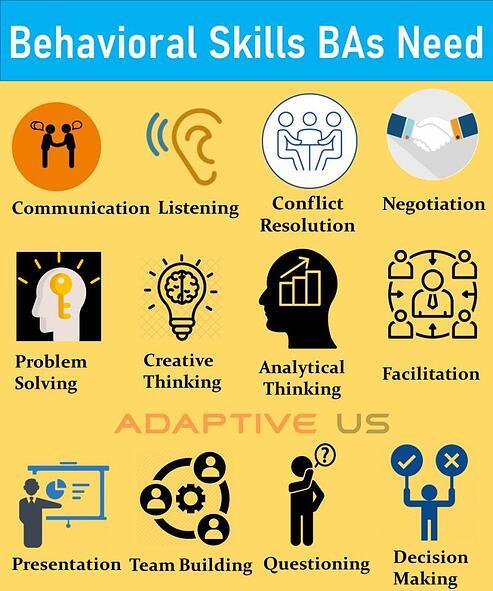
To be triumphant as a product analyst in a school, college, or university setting, you’ll need to develop both technical and interpersonal abilities. key skills include:
Technical Skills
- Data Analytics: Proficiency in data analysis tools such as Excel, SQL, Tableau, or Google Analytics.
- Research Methods: Knowledge of market research techniques and usability testing.
- Product Lifecycle Management: Understanding the stages of software or platform development and deployment.
- Quality Assurance: Familiarity with product testing methods and bug tracking systems.
Soft Skills
- Communication: Ability to explain complex data findings to non-technical stakeholders, including educators and administrators.
- Collaboration: Working efficiently with diverse teams,including developers,designers,and curriculum experts.
- Problem-Solving: Creativity and adaptability in identifying user pain points and suggesting innovative solutions.
- Attention to Detail: Diligence in managing and interpreting large sets of data accurately.
Typical Day-to-Day Activities of a Product Analyst
- Reviewing user engagement reports and highlighting key findings for product teams.
- Attending meetings with educators to gather feedback on new or existing tools.
- Designing surveys or focus groups to dig deeper into user experiences.
- Working with developers to prioritize and troubleshoot technical issues based on data.
- Monitoring the competitive landscape and emerging trends in edtech.
- Preparing presentations for school administrators or university leadership about product impact.
Career Path: How to Become a Product Analyst in Education Technology
The journey to becoming a product analyst in the world of education technology can vary depending on your background and interests. However, a typical route might look like this:
1. Educational Background
Most product analysts hold a bachelor’s degree in fields such as data science, business, computer science, education, or a related discipline. Advanced roles may prefer candidates with a master’s degree or specialized certifications in data analytics or product management.
2. Gaining Relevant Experience
- Internships or junior roles in edtech companies, schools, or educational non-profits.
- Experience in educational environments, such as teaching, instructional design, or IT support.
- Project work involving data analysis, user research, or product testing.
3. Building required Skills
- Learning to use data visualization and analytics tools.
- Staying up-to-date with trends and best practices in education technology.
- Networking with professionals in the edtech industry through conferences and online communities.
4. Advancement Opportunities
With experience, product analysts in education technology can progress to roles like senior product Analyst, Product Manager, or Head of product. Some also transition into related areas such as UX research, curriculum development, or educational consultancy.
Benefits of Working as a Product Analyst in education Technology
The role of a product analyst in universities, colleges, or schools offers numerous advantages, including:
- Meaningful Impact: Help shape the future of education and empower students and teachers.
- Growth Opportunities: Edtech is a rapidly expanding field with high demand for data-savvy professionals.
- Collaborative Environment: Work closely with passionate teams dedicated to learning and innovation.
- Competitive Salaries: Product analyst roles often offer attractive compensation in both public and private education sectors.
- Flexibility: Many positions offer hybrid or remote work options, supporting better work-life balance.
Practical Tips for Getting hired as a Product Analyst in EdTech
- Highlight Your Analytical Skills: Showcase your data analysis and research abilities in your resume and during interviews.
- Showcase Educational Experience: If you’ve worked in teaching, tutoring, or any academic environment, point out your understanding of educational challenges.
- Develop EdTech literacy: Familiarize yourself with leading edtech platforms, tools, and key issues in digital learning.
- Build a Portfolio: Create a collection of sample data reports, case studies, or product improvement proposals relevant to education.
- Network with EdTech Professionals: Leverage platforms like LinkedIn and attend edtech conferences or workshops to make connections.
- Keep Learning: Take online courses in data analytics, UX research, or education technology trends to expand your skill set.
- Demonstrate Communication Skills: Employers value analysts who can explain insights effectively to both technical and non-technical audiences.
Conclusion: The Future of Product Analysts in Education Technology
As technology continues to reshape the world of education, the need for skilled product analysts in universities, colleges, and schools will only grow. These professionals play a vital role in ensuring that digital learning tools are effective, engaging, and aligned with the needs of modern learners and educators. By mastering the key skills, understanding the career path, and leveraging practical job search tips, you can position yourself for a fulfilling and impactful career as a product analyst in education technology.
Ready to launch your edtech career? Start by building your analytical skills,connecting with industry leaders,and always staying eager to learn. The future of education is digital—and with the right preparation, you can be at the forefront of this exciting change.