
What Does a Senior Instructional Designer Do? Key responsibilities, Skills & Career Path Explained
The field of education technology is evolving rapidly, and universities, colleges, and schools are increasingly relying on dedicated professionals to create innovative, effective learning experiences. Among these experts, Senior Instructional Designers play a pivotal role in shaping curriculum, integrating technology, and supporting faculty. If you’re interested in education technology jobs in higher education or K-12 settings, understanding the responsibilities and skillset of a Senior Instructional Designer is essential. This comprehensive guide will help you explore the role, what it takes to succeed, and how you can advance your career in this rewarding field.
What Is a Senior Instructional Designer?
A Senior instructional Designer is an experienced education professional who specializes in designing, developing, and evaluating learning materials tailored for digital, blended, or traditional classrooms. Working closely with subject matter experts,faculty,and administrators,Senior Instructional Designers ensure that courses meet learning outcomes and leverage the latest technology tools.
Unlike entry-level instructional designers, senior-level professionals oversee major projects, mentor junior team members, and often play a leadership role in instructional design strategy at their institutions.
Key Responsibilities of a Senior Instructional Designer
Senior Instructional Designers have a dynamic range of duties, which may vary depending on the institution’s size and focus. However, core responsibilities typically include:
- Curriculum Design and development: Leading the planning, design, and revision of curriculum and learning experiences across multiple disciplines.
- Instructional Material Creation: Developing high-quality instructional content, including online modules, interactive activities, assessments, and multimedia components.
- Faculty Collaboration: Working with subject matter experts and faculty to translate their knowledge into engaging and effective learning experiences.
- Quality Assurance: Reviewing and evaluating courses for alignment with learning objectives, compliance with accreditation standards, and best practices in pedagogy and technology.
- Technology Integration: Identifying, recommending, and incorporating the latest educational technologies, such as Learning Management Systems (LMS), video tools, and adaptive learning platforms.
- Project Management: Managing multiple projects concurrently, establishing timelines, coordinating resources, and ensuring projects are completed on time and within scope.
- Training & Support: Conducting workshops, webinars, and one-on-one sessions to train faculty and staff on new course designs, technologies, or pedagogical strategies.
- Assessment & Evaluation: collecting data on learning effectiveness, analyzing student outcomes, and using feedback to drive continuous improvement.
- Mentorship: Providing guidance,support,and professional development opportunities to junior instructional designers or graduate assistants.
Essential Skills and qualifications
To succeed as a Senior Instructional Designer in education technology, you’ll need a diverse mix of technical, pedagogical, and interpersonal skills. Qualified candidates typically possess:
- Educational Background: A master’s degree in instructional design, education technology, curriculum development, or a closely related field is often required.
- Instructional Design Models: In-depth knowledge of frameworks such as ADDIE, SAM, Worldwide design for Learning (UDL), and Bloom’s Taxonomy.
- Technology Proficiency: Expertise in Learning management Systems (e.g., Canvas, Blackboard, Moodle), authoring tools (e.g., Articulate Storyline, Adobe Captivate), video editing software, and collaborative platforms.
- Project Management: Ability to manage complex projects, balance conflicting priorities, and use project management tools like Trello, Asana, or Smartsheet.
- Analytical Thinking: Strong skills in assessment, data interpretation, and educational research to measure learning impact and improve course effectiveness.
- Dialog & Collaboration: Excellent written and verbal communication, negotiation, and the ability to foster positive relationships with cross-functional teams.
- creativity & Problem-Solving: Innovation in designing engaging content and addressing educational challenges with creative solutions.
- Leadership: Experience in team leadership, mentoring, and change management within academic environments.
typical Career Path for a Senior Instructional Designer
A career in instructional design typically begins with a position as an Instructional Designer or eLearning Developer. Here’s a typical pathway to senior-level roles:
- Instructional Designer: Designing course materials, supporting faculty, and developing blended or online courses under senior guidance.
- Instructional Technologist or Specialist: Focusing on technology tool integration and supporting the technical side of course delivery.
- Senior Instructional Designer: Taking on leadership of large projects, mentoring team members, and setting instructional strategy.
- Instructional Design Manager or Director: Overseeing instructional design departments, setting institutional policies, and championing innovation in teaching and learning.
- Chief Learning Officer or Dean of Instructional Technology: In large institutions, progressing into executive roles responsible for organization-wide learning initiatives and strategy.
Benefits of Working as a Senior Instructional Designer
Choosing this career in education technology brings both personal and professional rewards:
- Influential Impact: Directly contributing to student success, faculty development, and institutional innovation.
- Stable and Growing demand: The increasing adoption of online learning and digital education creates job security and growth opportunities.
- Intellectual Engagement: Working at the intersection of pedagogy, technology, and content, every project offers new challenges to solve.
- Collaboration and Leadership: Engaging with diverse teams, leading projects, and influencing educational strategy.
- Competitive Salaries and Benefits: Senior roles offer attractive compensation packages, usually with opportunities for professional growth and continuing education.
- Work-Life Balance: many institutions offer flexible work arrangements, including partial or fully remote positions.
Practical Tips for Landing a Senior Instructional Designer Role
if you’re eager to transition into or advance within education technology, use these tips to enhance your prospects:
- build a diverse portfolio: Include samples of course designs, multimedia projects, assessments, and documentation of your collaborative work with faculty.
- Gain Relevant Certifications: Earning credentials in project management,eLearning software,or instructional systems design can set you apart.
- Stay Current: Follow trends in education technology, attend conferences, and participate in professional networks such as the Association for Educational Communications and Technology (AECT).
- Develop Strong Soft Skills: Senior roles require excellent communication,leadership,and conflict resolution abilities.
- Showcase Results: Highlight data-driven outcomes from projects you’ve led, such as increased student engagement or improvements in learning outcomes.
- Network Effectively: Connect with instructional designers and academic technology leaders at your target institutions, and seek mentors in the field.
Industry Trends and Future Outlook
The future for Senior Instructional Designers in higher education and K-12 schools looks luminous. As institutions constantly innovate to improve student success and adapt to new learning environments, demand for experienced learning design professionals will remain strong. key trends influencing the field include:
- Personalized Learning: Increasing use of adaptive technologies and data analytics to tailor learning experiences.
- Microlearning & Mobile Learning: Designing for shorter modules and on-the-go access, especially for busy adult learners.
- diversity, Equity, and Inclusion: Implementing principles of Universal Design for Learning and culturally responsive teaching.
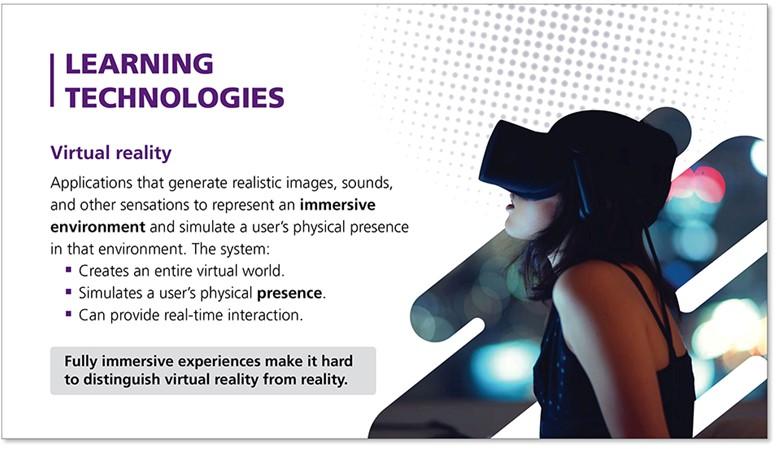
- Emerging technologies: Incorporating artificial intelligence, virtual reality, and augmented reality into instructional strategies.
- Faculty Development: Providing ongoing training and support as faculty adapt to new teaching tools and methods.
Conclusion
Becoming a Senior Instructional Designer is an excellent career choice for professionals passionate about education, technology, and instructional innovation. By mastering curriculum design, technology integration, and leadership skills, you’ll help shape the future of teaching and learning in universities, colleges, or schools. Weather you’re starting out or looking to advance, by following best practices and staying informed about industry trends, you can position yourself for a accomplished and impactful career in education technology.
Ready to take the next step? Start building your portfolio, seek mentorship, and immerse yourself in the vibrant world of instructional design—a field where you can make a real difference every single day.