
What Does a Technical Product Manager Do? Key Roles, Skills, and Career Path Explained
Are you interested in merging your passion for education with your technical skills? The role of a Technical Product Manager in the world of education technology (EdTech) at universities, colleges, or schools might be the perfect fit for you. As schools and higher education organizations continue to embrace digital change, the demand for technical product managers in education is on the rise. In this comprehensive article, we’ll explore what a technical product manager does, the key skills required, the benefits of this career, and tips for landing your dream job in EdTech.
Introduction to the Technical Product Manager Role in EdTech
Technical Product managers (TPMs) serve as the bridge between technical teams, educators, and various stakeholders in educational institutions. They manage the development, implementation, and betterment of educational technology products, such as learning management systems, student portals, assessment tools, and campus apps. In essence, they ensure that EdTech solutions meet the goals of both educators and learners.
key Responsibilities of a Technical Product Manager
Technical Product Managers in education technology have a dynamic and multifaceted set of responsibilities. Hear are the main duties you can expect in this role:
- Product Strategy and Vision: Define the strategic direction for EdTech products, aligning with institutional goals and user needs.
- Requirements Gathering: Collaborate with teachers, professors, students, and IT staff to gather and prioritize product requirements.
- Technical Roadmaps: Create technical roadmaps and work with development teams to plan, schedule, and launch new features or products.
- Project Management: Oversee the product lifecycle from ideation to launch, ensuring projects are delivered on time and within budget.
- Stakeholder Interaction: Act as the main point of contact between technical teams and non-technical stakeholders, translating needs and technical jargon.
- User Experience (UX): Prioritize and advocate for student and educator experience, ensuring accessible and impactful solutions.
- Quality Assurance: Lead testing efforts, troubleshoot issues, and ensure products meet quality and compliance standards in education.
- Data Analysis: Analyze data and feedback to drive product improvements and measure success against key performance indicators (KPIs).
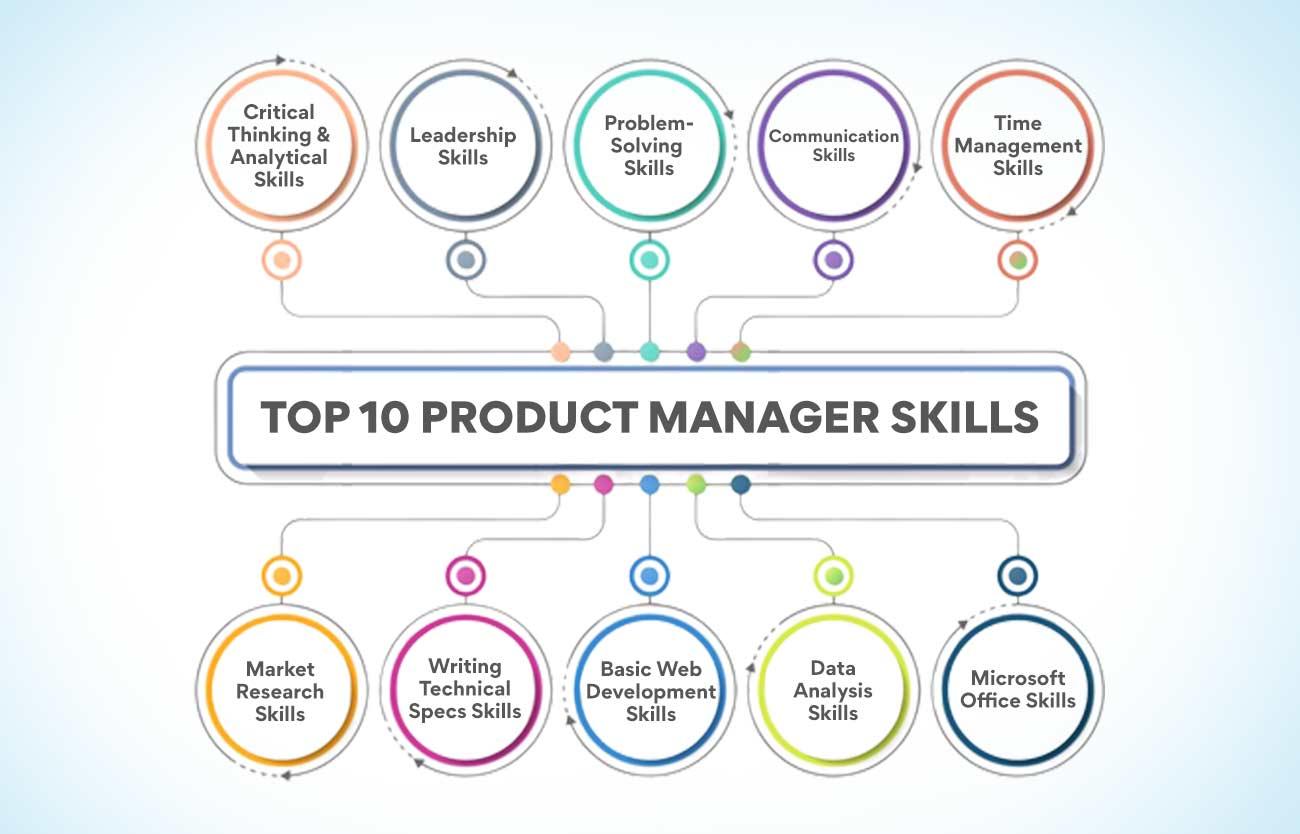
- Market Research: Stay up-to-date with EdTech trends, competitors, and institutional needs to ensure product relevance and innovation.
Essential Skills for Technical Product Managers in Education Technology
To excel as a Technical Product Manager at a university, college, or school, you’ll need a unique mix of skills spanning technology, communication, and education.
Technical Skills
- Understanding of Software Development: Knowledge of agile methodologies, coding basics, APIs, and system integrations.
- Data Analysis: ability to interpret usage metrics and leverage data for product decisions.
- Technical Documentation: Writing clear requirements, specifications, and user stories for development teams.
Product Management Skills
- Product Vision and Roadmapping: Defining objectives and aligning product features with institutional goals.
- Prioritization: Balancing user needs, technical constraints, and business objectives.
- User Experience Design: understanding of usability principles, accessibility, and user research methodologies.
Interpersonal and Communication Skills
- Stakeholder Management: Leading cross-functional teams and collaborating with educators, administrators, and engineers.
- Change Management: Guiding educational staff and students through new product adoptions or updates.
- Presentation and Training: Explaining technical products and conducting workshops or demos for end-users.
Education Sector Knowledge
- Familiarity with Education Processes: Understanding curriculum structures, assessment methods, and academic policies.
- Awareness of EdTech Trends: Keeping up with innovative teaching tools, digital classrooms, and regulatory requirements (such as FERPA, GDPR).
Day-to-Day Activities of a Technical Product Manager in EdTech
Every day as a Technical Product Manager can look a little different,but here’s a snapshot of typical activities:
- Meeting with faculty to discuss new feature requests for a learning management system.
- Running a sprint planning session with developers.
- Reviewing feedback from students using a campus mobile app.
- Analyzing analytics to refine the product roadmap.
- Demonstrating new dashboard features to governance staff.
- Writing user stories and breaking down technical tasks.
- Testing new releases and conducting user acceptance sessions.
Career Path for Technical Product Managers in Education Technology
The career journey for a Technical Product Manager in educational institutions is full of opportunities for growth and specialization.
Entry-Level Positions
- Product Coordinator
- Associate Product Manager
- technical business Analyst
these roles offer hands-on experience with product delivery and team collaboration.
Mid-Level Positions
- Technical Product Manager
- Senior Product Manager
At this stage,you’ll drive product strategy,lead cross-functional teams,and own major product lines.
Advanced/Specialized Positions
- Director of product Management
- Head of Educational Technology
- Chief Product Officer (CPO)
Senior roles involve overseeing entire portfolios,shaping institutional technology strategies,and leading large-scale innovations in EdTech.
Benefits of Becoming a Technical Product Manager in education Technology
- Meaningful Impact: Directly influence how educators teach and students learn through innovative solutions.
- Job Security: Education is a growing industry, especially as technology adoption accelerates in schools and colleges.
- Intellectual Challenge: Solve complex problems at the intersection of technology and pedagogy.
- Collaboration: Work with diverse teams, from software engineers to academic leaders.
- Continuous Learning: Stay on top of EdTech advancements and expand your skillset in a dynamic field.
- competitive Salary: Technical product managers in educational institutions often receive attractive compensation and benefits packages.
Tips for Landing a Technical Product Manager Role in EdTech
Ready to start your career as a Technical Product Manager at a university, college, or school? Here’s how to make your application stand out:
- Highlight Relevant Experience: Emphasize any previous roles in product management, software development, or educational initiatives.
- Showcase technical Proficiency: Even if you’re not a developer, understanding technical concepts and tools sets you apart.
- Demonstrate Passion for Education: share your interest in improving learning outcomes or prior experience working in schools, universities, or with EdTech companies.
- Build a Portfolio: If possible, showcase case studies, product specs, or user stories you’ve created, especially for educational solutions.
- network in EdTech Circles: Attend industry events, webinars, or panels to connect with hiring managers and peers.
- Polish Your Communication Skills: Practice explaining technical topics in plain language, as this is crucial in interviews and on the job.
- Consider Relevant Certifications: Training in agile methodologies, product management (e.g., Pragmatic Institute, PMI-ACP), or educational technology can enhance your profile.
Future Trends in Technical Product Management for Education
As technology evolves, so do the demands of the Technical Product Manager role. Key trends include:
- Artificial Intelligence (AI) in Learning: Product managers are now overseeing AI-driven personalization and assessment tools.
- Mobile-First Strategies: The growing use of smartphones in education requires mobile app optimizations.
- Data Privacy and Security: With increased data collection, product managers must ensure compliance with privacy regulations.
- Hybrid and Remote Learning: The shift to virtual classrooms demands robust, scalable technology solutions.
Staying up-to-date with these trends will give you a competitive edge and help future-proof your EdTech career.
Conclusion
The role of a Technical Product Manager in education technology is rewarding, challenging, and vital to the digital transformation of educational institutions. Whether you’re aiming to work at a university, college, or school, mastering both technical skills and an understanding of academic needs will set you apart in this growing field. By blending technology and pedagogy, you’ll help create meaningful educational experiences for students and educators alike. if you’re ready to take on a dynamic career where you can make a real impact, start preparing for your future in EdTech product management today!