
What Does a Technical Product Manager Do? Key Skills, roles, and Career Insights
In the rapidly evolving field of education technology, technical product managers play a pivotal role in shaping learning experiences for students and educators. Weather you’re aiming for a position at a university, college, or school, understanding the landscape of this dynamic role can set you on the path to a rewarding career. This article delves into what a technical product manager does, essential skills for candidates, real-world responsibilities, benefits, and actionable tips for job seekers in the edtech sector.
Introduction: The Rise of Technical Product Managers in Education Technology
The adoption of technology across educational institutions has surged, integrating software platforms, digital classrooms, and data analytics into daily operations. Technical product managers (TPMs) ensure these innovations align with institutional needs and deliver value to students, faculty, and administrators.Their work bridges technical advancement and educational goals, making them invaluable in today’s digital learning environments.
What is a Technical Product Manager?
A technical product manager in education technology is responsible for the strategic planning, development, and lifecycle management of digital products designed for educational settings. Unlike conventional product managers, TPMs possess a deeper understanding of technology and are closely involved with engineering teams to translate educational needs into robust solutions.
Core Responsibilities
- Product Strategy: Developing clear product visions that align with academic goals.
- Requirements gathering: Conducting research, surveys, and interviews with educators, students, and staff to identify pain points and opportunities.
- Feature definition: Creating detailed product requirements and user stories for technical teams.
- Project Management: Overseeing timelines,resources,and deliverables from concept to launch.
- Collaboration: Acting as a liaison between cross-functional teams including IT, marketing, curriculum developers, and administration.
- Quality Assurance and Testing: Ensuring products meet both academic and technical standards before deployment.
- Feedback Analysis: Analyzing user feedback post-launch to guide ongoing improvements.
Key Skills for Technical Product Managers in EdTech
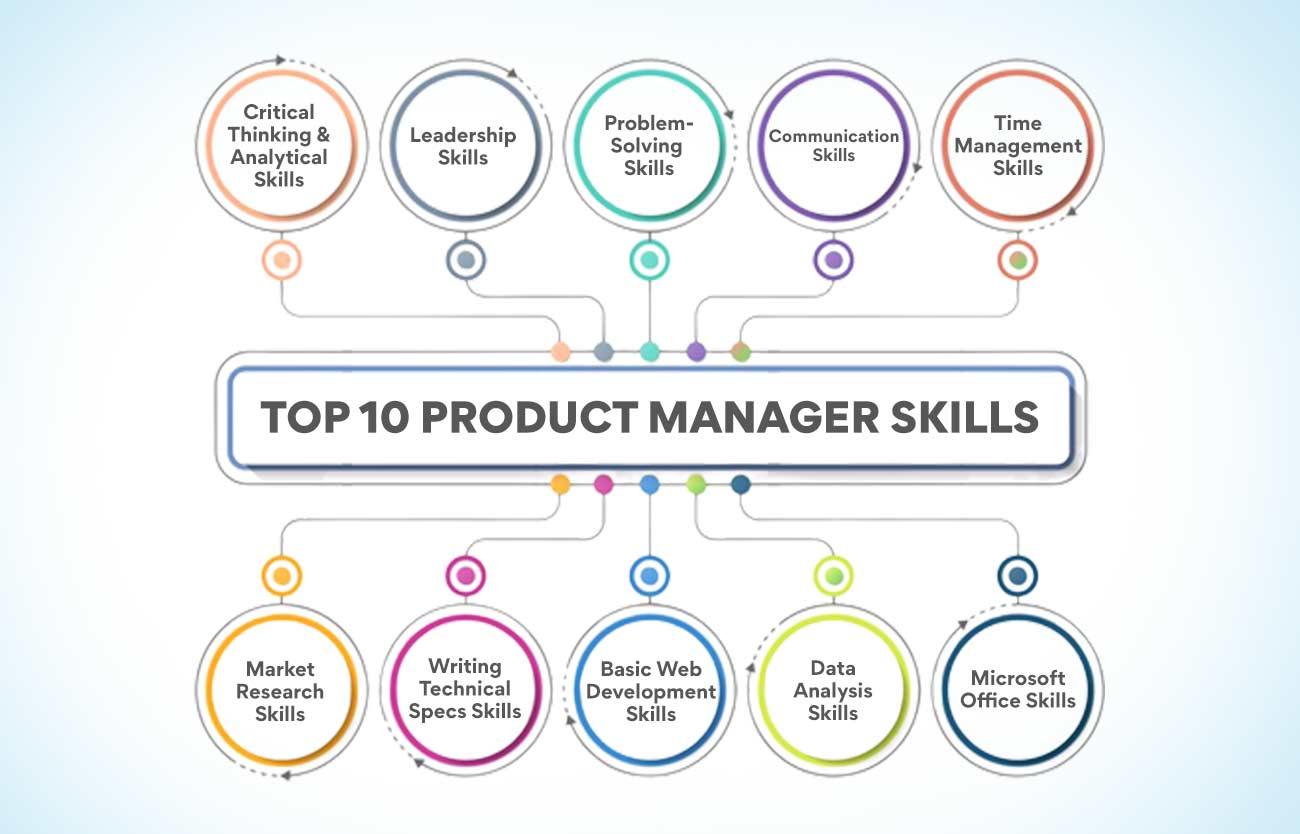
Succeeding as a technical product manager in education technology calls for a blend of technical aptitude, strategic thinking, and strong interaction skills. Here’s what employers commonly seek:
- Technical Proficiency: comfort with software development processes, APIs, databases, and user experience design.
- Agile Methodologies: Experience working in agile environments, with familiarity in scrum or kanban approaches.
- analytical Skills: Ability to interpret data, conduct market research, and perform needs assessments within academic contexts.
- Stakeholder Communication: Clear and empathetic communication across technical and non-technical teams, including faculty and students.
- Vision and Strategy: strong sense of product vision tied to institutional objectives and learner outcomes.
- Problem-solving: Innovative thinking to address complex educational and technical challenges.
- User-centric Mindset: Genuine interest in enhancing user experience for teachers, students, and administrators.
Common Roles and Day-to-Day Activities
The role of a technical product manager at a university, college, or school varies depending on the institution’s needs and the specific technologies in use. Typical tasks include:
- Hosting stakeholder meetings to understand educational requirements
- Translating pedagogical needs into technical requirements and product roadmaps
- Coordinating with UX/UI designers to create intuitive learning environments
- Working with software engineers to refine features and troubleshoot issues
- Prioritizing backlogs and adjusting development sprints based on feedback
- conducting product demos and training sessions for faculty and staff
- Monitoring usage analytics and crafting advancement plans for future releases
Benefits of Being a Technical Product Manager in Education Technology
Pursuing a career as a technical product manager in the edtech realm offers unique rewards, both personally and professionally:
- Purpose-Driven Work: Contribute to transformative educational experiences and promote lifelong learning.
- Professional Growth: Opportunity to work on cutting-edge technologies and drive institutional innovation.
- Collaboration: Engage with diverse teams, from educators and IT specialists to students and external partners.
- Competitive Compensation: As digital transformation remains a top priority, compensation and job stability remain strong in education tech.
- Continuous Learning: stay at the forefront of AI, e-learning, LMS platforms, and data analytics in education.
Practical Tips for Aspiring Technical Product Managers
Ready to launch your career as a technical product manager in education technology? Here are practical steps for landing your dream job in a university, college, or school setting:
1. Build Foundational Knowledge
- Earn a relevant bachelor’s or master’s degree (e.g., Computer Science, Information Systems, Education Technology, Product Management).
- Take courses or certifications in product management, agile, UX, or software development.
2. Gain Hands-On Experience
- Pursue internships, volunteer, or work on edtech projects (such as learning management systems or mobile education apps).
- Participate in hackathons or educational technology competitions to demonstrate your skills.
3. Network in the EdTech Community
- Join professional groups, forums, and associations related to education technology and product management.
- Attend conferences or webinars focused on digital learning and innovation.
4. Sharpen Communication Skills
- Practice presenting ideas and technical concepts to non-technical audiences.
- Develop strong writing skills for creating clear product documentation.
5. Customize Your Resume and Cover Letter
- Highlight experiences that showcase your ability to manage technical products in educational contexts.
- Quantify achievements (e.g., “led the launch of a student portal used by 5,000+ students”).
6. Prepare for the Interview
- Study common product management interview questions, especially those that test your problem-solving and technical skills.
- Be ready to provide examples of projects where you collaborated with educators and engineers.
Current Trends in Education Technology Product Management
The field of education technology is fast moving, with new innovations constantly reshaping how institutions deliver learning. As a technical product manager,staying up-to-date with emerging trends is crucial for ongoing success:
- Artificial Intelligence and Machine Learning: Personalizing learning experiences and automating administrative tasks.
- Mobile-Frist platforms: Driving accessibility through smartphone and tablet-compatible products.
- Data-Driven Insights: Leveraging big data for curriculum development and personalized feedback for students.
- Cloud Solutions: Facilitating seamless collaboration and remote learning environments.
- Gamification: Enhancing engagement through interactive,game-based learning strategies.
conclusion: Your Path to Becoming a Technical Product Manager in EdTech
The role of a technical product manager in education technology is both challenging and fulfilling. By combining strategic thinking, technical expertise, and a passion for improving educational outcomes, you’ll be positioned to shape the future of learning at universities, colleges, or schools. Start building your skillset, connect with industry professionals, and stay curious about the latest technological advancements in edtech. Your journey toward an impactful and innovative career begins now.