
What Does an Education Data Scientist Do? Career Guide, Skills & Opportunities
Are you interested in blending your passion for education with the fast-growing field of data science? In today’s digital age, educational institutions like schools, colleges, adn universities are harnessing data to shape better learning outcomes and optimize student success. The demand for Education Data Scientists is on the rise, offering exciting opportunities to leverage analytics, technology, and educational knowledge. This comprehensive guide covers what an Education Data Scientist does, the essential skills required, typical job responsibilities, career opportunities, benefits, and practical tips to launch your career in this rewarding field.
What is an Education Data Scientist?
An Education Data Scientist is a specialized professional who collects,analyzes,and interprets large sets of educational data to improve teaching methods,learning outcomes,and institutional performance. Working within schools, colleges, or universities, these experts use statistical techniques, machine learning, and data visualization tools to turn complex data into actionable insights.
Education data Scientists collaborate closely with administrators, teachers, IT teams, and academic researchers to understand challenges in the education system, make data-driven decisions, and shape future policies and technologies. Their work fuels student success, retention, personalized learning, and operational efficiency.
Main Responsibilities of an Education Data Scientist
- Data Collection & Management: Gathering, cleaning, and maintaining student details, assessment scores, demographic data, attendance, learning management system records, and more.
- Data Analysis & Modeling: Applying advanced analytical techniques such as predictive modeling, machine learning, and statistics to spot trends, identify at-risk students, and forecast educational outcomes.
- Reporting & visualization: Creating clear dashboards,charts,and reports for educators and leaders,making complex data easy to understand and act upon.
- Advancement Recommendations: Translating findings into actionable strategies—like recommending new interventions, curriculum changes, or technology adoption.
- Collaboration & Consultation: Working with teachers, administrators, and IT departments to integrate analytics into school systems and shape data-driven policies.
- Privacy & Ethics Compliance: Ensuring all data practices meet ethical standards and comply with data privacy laws like FERPA or GDPR.
Key Skills Required for Education Data Scientists
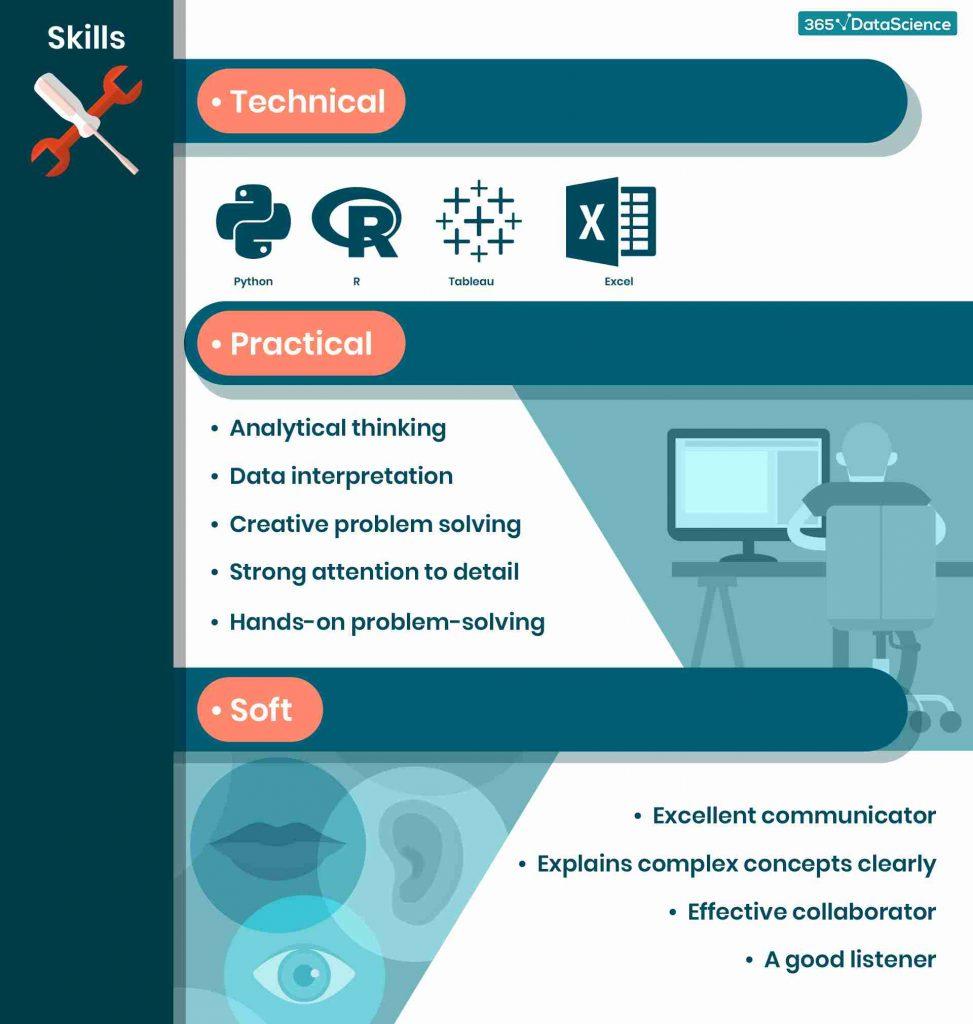
To thrive as an Education Data Scientist, you’ll need a mix of technical expertise, analytical prowess, and strong dialog skills.Here’s a breakdown of essential skills for this career:
- Statistical Analysis: Proficiency in statistical methods and software to analyze data sets, perform hypothesis testing, and derive reliable insights.
- Programming Languages: Experience with Python, R, SQL, or other relevant languages for data manipulation, machine learning, and automation.
- Data Visualization: Skills with tools like Tableau, Power BI, or matplotlib to create engaging and understandable data dashboards and visualizations.
- Machine Learning: Familiarity with supervised and unsupervised learning algorithms to predict educational trends or student performance.
- Research & Problem-Solving: Ability to design experiments, evaluate interventions, and address educational challenges creatively.
- Communication: Explaining technical findings to non-technical stakeholders, building compelling presentations, and supporting evidence-based decision-making.
- Knowledge of Education Systems: Understanding academic policies, assessment processes, and the unique data needs of schools, colleges, and universities.
- Ethical Data Stewardship: Ensuring data privacy, accuracy, and ethical handling of sensitive student or faculty information.
Career Opportunities for Education Data Scientists
The field of education technology (EdTech) is rapidly expanding, offering a wide variety of roles for data-savvy professionals. Below are some common job titles and career settings:
- Education Data Scientist at universities, colleges, K-12 school districts, or private schools
- Academic analytics Specialist focusing on learning outcomes and institutional performance
- Learning Data Analyst at EdTech companies or learning management system providers
- Student Success Analyst working with universities to improve retention and graduation rates
- Assessment & Evaluation Specialist for testing organizations or educational consulting firms
- Curriculum Data Strategist designing adaptive learning experiences based on data insights
- Institutional Research Analyst supporting strategic planning and policy advancement in education
Industries and Employers:
- Higher Education Institutions (universities, colleges)
- K-12 School Districts and Charter Schools
- EdTech Startups and Educational Software Companies
- Government Education Departments and Policy Organizations
- Nonprofits and Educational Research Centers
- Corporate L&D (Learning & Development) Programs
Benefits of a Career as an Education Data Scientist
Pursuing a career as an Education Data Scientist offers a variety of tangible and intangible benefits, making it an attractive option for those passionate about both technology and education.
- Impactful Work: Shape the future of learning, improve student outcomes, and help institutions serve diverse communities more effectively.
- High Demand: Data-driven decision-making is now critical in education, and demand for skilled data scientists is expected to grow.
- Opportunities for Innovation: Be at the forefront of using AI, adaptive learning, and analytics to transform classrooms and online platforms.
- interdisciplinary collaboration: Work with educators,administrators,IT experts,and policy makers,developing a broad professional network.
- Job flexibility: Roles range from research-heavy positions to hands-on analytics and consulting, with opportunities in both academia and industry.
- Competitive Salaries: Education data scientists often earn salaries on par with other tech-driven professions, especially at colleges and larger K-12 districts.
How to Become an Education Data Scientist: Practical Tips & Steps
If you’re aspiring to build a career in education data science, below are key steps to set yourself up for success:
-
Obtain Relevant Education:
- Bachelor’s degree in statistics, computer science, mathematics, data science, or education with a strong quantitative focus is essential.
- A master’s degree or Ph.D. in data science, educational measurement, or related fields can set you apart, especially for university positions.
-
Build Technical Skills:
- Take online courses or bootcamps in programming (Python/R), database management (SQL), and data visualization.
- develop a portfolio of analytics projects—preferably with real education-based datasets.
-
Gain Domain Knowledge:
- Familiarize yourself with educational systems, learning theories, assessment types, and institutional challenges.
- Volunteer or intern at schools, academic research labs, or EdTech companies to get hands-on experience.
-
Develop Communication Abilities:
- Practice translating complex analytics into clear,actionable insights for educators and policy makers.
- present findings in meetings, webinars, or educational conferences.
-
Stay Current:
- Follow latest trends in educational technology, machine learning, AI in education, and ethics in data analytics.
- join professional associations like the International Society for Technology in education (ISTE) or American Educational Research Association (AERA).
-
Network and Apply:
- Connect with industry professionals on platforms like LinkedIn.
- Seek out job boards, university career services, and EdTech recruitment agencies for openings.
Frequently Asked Questions
What educational background is best for an education data scientist?
A solid foundation in data science, statistics, computer science, or educational measurement is ideal. Advanced degrees (master’s or Ph.D.) are increasingly preferred for roles at universities and research centers.
What tools or software do education data scientists use?
Commonly used tools include Python, R, SQL databases, Tableau, Power BI, Jupyter notebooks, and machine learning libraries like Scikit-Learn, as well as institutional data platforms and learning management systems.
Can teachers or educators transition into data science roles?
Yes. Many data scientists in education start as educators who gain additional technical and analytical skills.A deep understanding of education systems, student needs, and classroom challenges is a important advantage.
Is this career path remote-amiable?
Increasingly so. many universities and EdTech companies offer hybrid or fully remote roles, particularly for analytics and data strategy positions.
Conclusion: Shaping the Future of Education with Data
Becoming an Education Data Scientist places you at the forefront of transforming educational experiences with technology and analytics. By combining technical skills, educational insight, and a passion for evidence-based innovation, you can make a meaningful impact on students, teachers, and institutions. Weather you’re just starting out or looking to transition from another educational role, building expertise in education data science opens the door to a world of rewarding professional opportunities in universities, colleges, and schools.
Start developing your skills today, stay curious, and connect with the growing community of education data professionals. Your journey in EdTech and educational data science awaits!