
What Does an Education Data Scientist Do? Career Path, Skills & Opportunities
Are you passionate about data and education technology? Universities, colleges, and schools are adding education data scientist roles to transform learning through data-driven insights. If you’re considering a career as an education data scientist, this article will give you a comprehensive overview of the role, required skills, career pathways, key opportunities, and practical tips to break into this exciting field.
Introduction: The Growing Demand for education Data Scientists
In recent years, the education technology (EdTech) landscape has rapidly evolved. From adaptive learning platforms to data-driven decision-making, institutions are harnessing the power of data to improve student outcomes, administrative efficiency, and teaching effectiveness. This surge has created a strong demand for education data scientists—specialists who analyze complex educational data to drive meaningful change.
Whether you’re a recent graduate, a teacher interested in transitioning, or a seasoned data professional looking to enter EdTech, understanding what it means to be an education data scientist is the first step toward a rewarding career.
What Is an Education Data Scientist?
An education data scientist is a professional who uses analytical,technical,and statistical skills to gather,interpret,and leverage data within educational settings. Their insights help guide curriculum development, improve student success rates, and optimize school or university operations.
These data experts typically work with:
- Student performance and engagement data
- Learning management systems (LMS) data
- Admissions and retention rates
- Curriculum and assessment data
- Faculty and classroom effectiveness metrics
Their ultimate goal is to create actionable insights—helping educators, administrators, and policymakers make informed decisions tailored to students’ needs.
Key Responsibilities of an Education Data Scientist
The daily tasks of an education data scientist can vary depending on their association, but generally include:
- Data collection & Cleaning: Aggregating data from multiple sources, such as LMS platforms, surveys, databases, and assessment tools.
- data Analysis: Using statistical methods and machine learning models to uncover trends and patterns.
- Predictive Analytics: Building models to forecast student performance, identify at-risk learners, or optimize resource allocation.
- Data Visualization & Reporting: Creating easy-to-understand dashboards,charts,and reports for non-technical stakeholders.
- Collaboration: Working closely with educators, administrators, IT teams, and policy makers to define problems and implement solutions.
- Research & Evaluation: Assessing the effectiveness of educational interventions, tools, or policies through rigorous analysis.
- Privacy & compliance: Ensuring adherence to privacy laws like FERPA or GDPR when handling student data.
These responsibilities require a balance of technical expertise and an understanding of educational contexts.
Career Path: How to Become an Education Data Scientist
Breaking into the field of education data science typically involves a blend of academic qualifications, technical skills, and practical experience. Here’s a typical career roadmap:
-
Education:
- Bachelor’s degree in statistics, computer science, mathematics, education, or a related field.
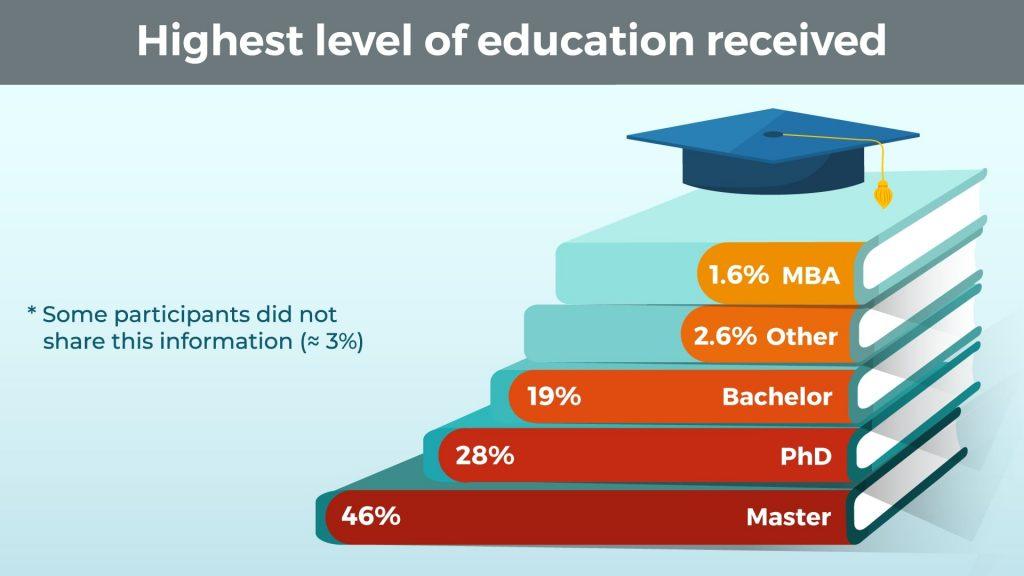
- advanced degrees (Master’s or PhD) in data science, educational measurement, psychometrics, or educational technology are highly desirable for certain roles, especially in research-focused institutions.
-
Gaining Technical Skills:
- Proficiency in programming languages such as Python, R, or SQL.
- Experience with data visualization tools (Tableau, power BI, or similar).
- Understanding of machine learning algorithms and statistical modeling.
-
Developing education Domain Knowledge:
- Familiarity with educational theories, curricula, and learning analytics.
- Understanding of institutional needs and educational assessment.
-
Gaining Practical Experience:
- Internships or entry-level positions in data analysis within educational institutions or EdTech companies.
- Collaborating on research projects or volunteering for education data initiatives.
-
Building a Portfolio:
- Showcasing projects,reports,or dashboards that demonstrate your ability to transform educational data into actionable insights.
-
Continuous Learning:
- Keeping up with new data science techniques, EdTech trends, and educational policies.
Essential Skills for Education Data Scientists
To succeed as an education data scientist,you’ll need a blend of technical,analytical,and interpersonal skills. Here are the top competencies:
- Statistical Analysis: Ability to work with large datasets and apply statistical techniques to extract insights.
- Programming: Knowledge of languages like Python, R, or MATLAB for data manipulation and modeling.
- Machine Learning: Understanding of predictive modeling, clustering, and classification.
- Data Visualization: Creating clear and compelling charts and dashboards for various audiences.
- Data Management: Ensuring data quality, scalability, and security.
- Educational literacy: Understanding pedagogical principles, assessment methods, and the context of educational institutions.
- Interaction: Presenting complex data findings to non-experts clearly and persuasively.
- Critical Thinking: Translating raw data into actionable recommendations.
Opportunities and Career Growth in Education Data Science
The field of education data science is expanding rapidly, offering a variety of career opportunities at different educational levels:
- Universities & Colleges: Large institutions often have established data analytics teams working on institutional research, student support, and curriculum assessment.
- K-12 Schools: districts and private schools increasingly rely on data scientists to guide personalized learning initiatives and improve test scores.
- EdTech Companies: Private companies developing educational software recruit data scientists to improve product features and outcomes.
- Research Institutes & Government: analyzing large-scale educational datasets for public policy, evaluations, and funding allocation.
- Consultancy & Freelance: Offering data science services to schools or districts on a project basis.
Typical job titles include:
- Education Data Scientist
- Learning analytics Specialist
- Research Data Analyst (Education)
- Assessment Data Scientist
- Institutional Research Analyst
With experience, you can progress to roles such as Senior Data Scientist, Head of Data Science, Director of Institutional Research, or even Chief data Officer within an educational organization.
Benefits of a career as an Education Data Scientist
Pursuing a career in education data science not only offers competitive salaries but also the satisfaction of making a tangible difference in students’ lives. Here are some of the top benefits:
- Positive Impact: Help shape educational policies and improve learning outcomes.
- Job Security: As data-driven decision-making becomes integral, the demand for skilled data scientists in education continues to grow.
- Interdisciplinary Work: Collaborate with educators, administrators, technologists, and policymakers.
- Continuous Learning: Stay engaged with cutting-edge data science tools and pedagogical innovations.
- Work-Life Balance: Many educational institutions offer flexible schedules and ample work-life balance compared to other industries.
Practical Tips: How to Stand Out as an Aspiring Education Data Scientist
Ready to pursue a role in education data science? Here are some practical suggestions to maximize your chances:
- Specialize: Develop expertise in learning analytics, assessment data, or adaptive learning models to differentiate yourself.
- Network: Attend education technology conferences, webinars, and local meetups. Engage with professionals on social platforms focused on EdTech and data science.
- Certifications: Pursue relevant certifications in data analytics, educational measurement, or learning technologies to validate your skills.
- Showcase Real-World Projects: Build a strong portfolio with case studies showcasing your ability to solve real educational problems with data.
- Stay Current: Subscribe to EdTech journals, participate in MOOCs (massive open online courses), and follow education data trends.
- Highlight Communication Skills: Emphasize your ability to translate complex findings into actionable recommendations for leaders, teachers, and staff.
Conclusion: Your Path to an Education Data Science Career
The role of an education data scientist lies at the intersection of cutting-edge technology, analytical rigor, and the noble mission of education. By merging technical skills with a passion for learning, you can help shape the future of classrooms, colleges, and educational policy.
Whether you’re starting your journey or seeking to transition, now is a fantastic time to explore the opportunities that education data science offers. With the right blend of education, skills, and drive, you can unlock a fulfilling career improving schools and universities through the power of data.
Looking to get started? Review job postings, build your portfolio, and connect with others in the EdTech community. Your expertise in education data science could be the missing link to the next big breakthrough in education!