
What Does an Education Data Scientist Do? Career path, Skills & Opportunities Explained
If you’re passionate about technology, data, and transforming education, you might have wondered, “What does an education data scientist do?” With the rise of digital learning and advanced analytics in academic institutions, education data science is now one of the most exciting career paths in EdTech. Whether you aspire to work at a university, college, or school, understanding the role, required skills, and opportunities can help you prepare for a rewarding journey. This article delves into what education data scientists do, their career path, core skills, benefits, and actionable tips to break into this dynamic field.
Understanding the Role: Who is an Education Data Scientist?
An education data scientist applies data-driven methods to analyze and enhance learning, teaching, and administrative processes within educational institutions. They use data science techniques to extract insights from large sets of educational data—such as student performance, curriculum outcomes, and digital engagement metrics—to inform decision-makers and drive improvements in student outcomes and institutional effectiveness.
Key Responsibilities
- Collecting, cleaning, and organizing diverse educational datasets
- Developing predictive models and machine learning algorithms to identify learning trends or predict at-risk students
- Collaborating with teachers, administrators, and IT teams to define problems and deliver actionable insights
- Visualizing complex data to make findings accessible to non-technical stakeholders
- Implementing data-driven solutions to improve curriculum design, teaching strategies, or enrollment management
- Ensuring data privacy compliance and ethical use of sensitive student information
Why Educational Institutions Need Data Scientists
Universities, colleges, and schools are increasingly turning to data science in education to personalize learning, enhance student engagement, and optimize institutional resources. Education data scientists play a pivotal role in:
- Improving student retention and graduation rates through predictive analytics
- Identifying achievement gaps and recommending targeted interventions
- Optimizing course offerings and resource allocation based on demand forecasts
- Assessing the effectiveness of technology-enabled teaching methodologies
- ensuring compliance with regulatory standards on data and privacy
Education Data Scientist Career Path
The path to becoming an education data scientist typically follows a sequence of educational qualifications, technical skills acquisition, and hands-on experience. Here’s how most professionals enter and advance in this role:
1. Education & Qualifications
- Bachelor’s degree in mathematics,statistics,computer science,education technology,or a related field
- Master’s degree or certifications in data science,statistics,educational measurement,or learning analytics (often highly desirable)
2. Early Career Roles
- Data Analyst in education technology companies or university IT departments
- Research Assistant in educational research labs focusing on data analysis
- Learning Analytics or Academic Assessment Specialist
3. Advancement & Specialization
- Education Data Scientist (Junior to Senior levels)
- Lead or Principal Data Scientist for institutional research
- Director of Learning Analytics or Chief Data Officer in educational settings
Many become experts in areas like adaptive learning algorithms, natural language processing for educational content, or educational policy analytics.
Core Skills for Education Data Scientists
To thrive as an education data scientist, a mix of technical expertise, domain knowledge, and soft skills is essential.
Technical Skills
- Statistical analysis (using R or Python)
- Machine learning model development
- Big data frameworks (e.g., Hadoop or Spark)
- data visualization tools (Power BI, Tableau, or D3.js)
- SQL and database management
- Data cleaning and wrangling
Domain & Soft Skills
- understanding of educational pedagogy and assessment
- Knowledge of educational policies and data privacy laws
- Effective interaction and storytelling with data
- Collaboration with cross-functional academic teams
- Problem-solving and critical thinking abilities
Opportunities for Education Data Scientists
As educational institutions deepen their investment in EdTech, the demand for professionals skilled in education data science continues to soar. Potential employers and sectors include:
- Higher education institutions (universities and colleges)
- K-12 schools and school districts
- EdTech companies building assessment platforms, adaptive learning tools, or educational apps
- Government educational agencies and research think tanks
- Non-profits focused on improving educational access and outcomes
Typical job titles to look for include Data Scientist (Education), Learning Analytics Specialist, Educational Measurement Analyst, Academic Assessment Data Specialist, or Institutional Research Analyst.
Career advancement can lead to leadership positions such as Senior Data Scientist, Head of Analytics, Director of Learning Assessment, or Chief Data Officer.
Benefits of a Career as an Education Data Scientist
- Impactful Work: Directly influence student success and institutional effectiveness by making learning more adaptive and personalized.
- High demand: With the digital conversion of education, skilled data scientists are increasingly sought after in schools and universities.
- Continuous Learning: Opportunities to work with cutting-edge technologies and collaborate with academic innovators.
- Career Versatility: Ability to transition across K-12, higher education, edtech startups, or governmental roles.
- Competitive Salary: Education data scientists command attractive salaries, especially with advanced degrees and specialized skills.
Practical Tips for Aspiring Education Data Scientists
Breaking into a data science role in education can be challenging, but the following tips can help smooth your journey:
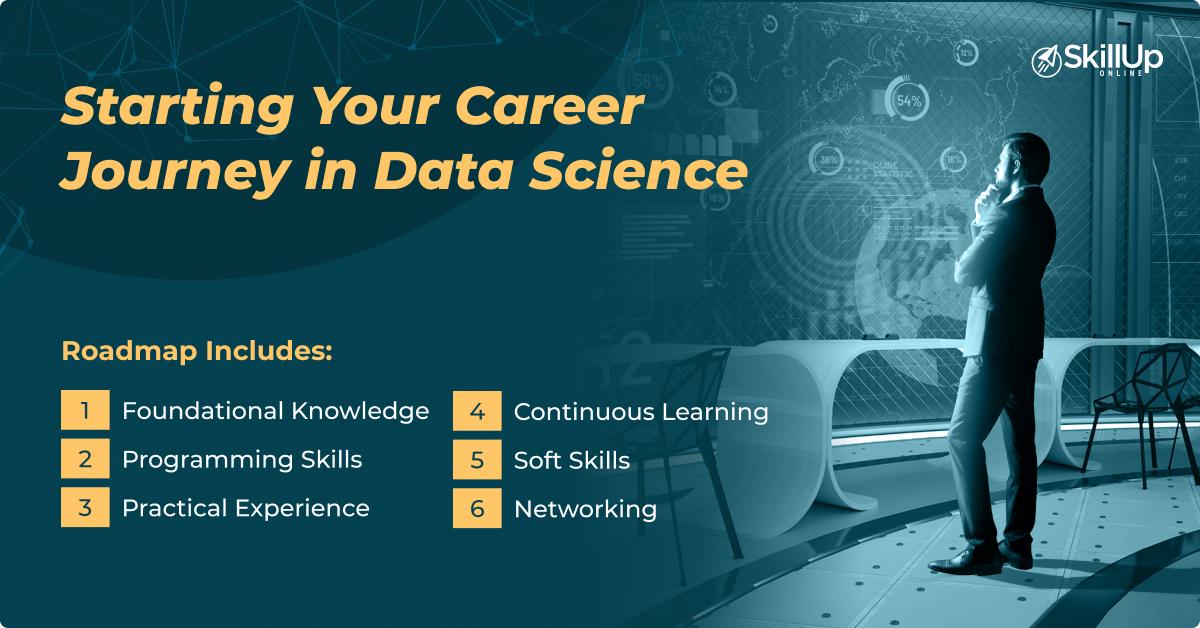
- Build a Solid Foundation in data Science: Complete relevant coursework or certifications in Python, R, statistics, and machine learning—many online courses are available.
- Understand Education Systems: Gain exposure to academic environments through internships,volunteering,or part-time roles in educational institutions.
- Create a Portfolio: Showcase your ability by analyzing open educational datasets, visualizing trends, or developing a mini-capstone project related to student performance or curriculum analytics.
- Network with EdTech Professionals: join relevant professional groups, attend conferences, and participate in webinars to stay updated and make connections.
- Highlight Communication Skills: Practice translating complex analyses into actionable recommendations for non-technical education stakeholders.
- Stay Informed on Data Privacy: Demonstrate awareness of FERPA, GDPR, and other educational data protection laws.
Conclusion: Start Shaping the Future of education with Data
An education data scientist is at the heart of the digital transformation in learning environments, helping educational institutions leverage data to improve experiences for students and educators alike. If you are analytical, passionate about education, and eager to make a difference through technology, this career path offers tremendous opportunities for personal and professional growth. By honing your data science skills and gaining exposure to the education sector, you can position yourself as a valuable asset in the rapidly expanding EdTech industry. Start your journey today, and help shape tomorrow’s classrooms with data-driven insights!