
What Does an Education Data Scientist Do? Career Path, Skills & Salary Guide
Are you passionate about data and eager to make a meaningful impact in schools, colleges, or universities? A career as an education data scientist might be your perfect match. The fusion of educational technology and data science is transforming how educational institutions operate, evaluate student outcomes, and personalize the learning experience. In this complete guide, we’ll explore what education data scientists do, how you can embark on this career path, the skills required, salary expectations, benefits, and expert tips to land your next role in education technology.
What Is an Education Data Scientist?
An education data scientist is a professional who uses data science methodologies to solve problems and drive decisions within educational settings. Their primary focus is to analyze large volumes of educational data—including student performance, curriculum efficacy, and learning outcomes—to improve teaching methods, develop effective learning tools, and enhance student success.
Education data scientists work in a variety of settings, including:
- Universities and colleges
- K-12 schools
- Online education platforms
- EdTech companies and research organizations
Main Responsibilities of an Education Data scientist
The daily tasks of an education data scientist can vary based on the institution and role. However, core responsibilities typically include:
- Collecting and cleaning data: Gathering data from various sources like learning management systems, assessments, and administrative databases.
- Data analysis and visualization: Exploring data trends, building dashboards, and presenting insights to educators and administrators.
- Developing predictive models: Using machine learning algorithms to forecast student performance and identify at-risk learners.
- Impact assessment: Measuring the effects of new technology tools, curricula, or interventions on learning outcomes.
- Data-driven decision making: Supporting educational leaders with actionable insights for policy and programme development.
- Creating personalized learning solutions: Recommending or developing adaptive learning resources to optimize student engagement and achievement.
Career Path: Becoming an Education Data Scientist
Pursuing a career as an education data scientist combines expertise in data science with a passion for education. Here’s a typical pathway:
1. Educational Background
- A bachelor’s degree in computer science, statistics, mathematics, education, or a related field is usually required.
- Many roles prefer or require a master’s degree or PhD in data science, educational technology, or a quantitative social science.
- Relevant certifications in data analysis or education technology can give you an added edge.
2. Gaining experience
- Pursue internships, fellowships, or research projects that blend education and data analysis.
- Work in roles such as data analyst, research assistant, or instructional designer within educational institutions.
- Contribute to open-source projects or collaborations with EdTech startups.
3. Developing Key Skills
- Advance your skills in programming languages like Python, R, or SQL.
- Learn to use data visualization platforms (e.g., Tableau, Power BI).
- Stay updated on educational theory and instructional design principles.
4. Building a Professional Network
- attend education technology conferences and workshops.
- Join professional associations like the International Society for Technology in Education (ISTE) or the Society for Learning Analytics research (SoLAR).
- Engage in online communities focused on EdTech and learning analytics.
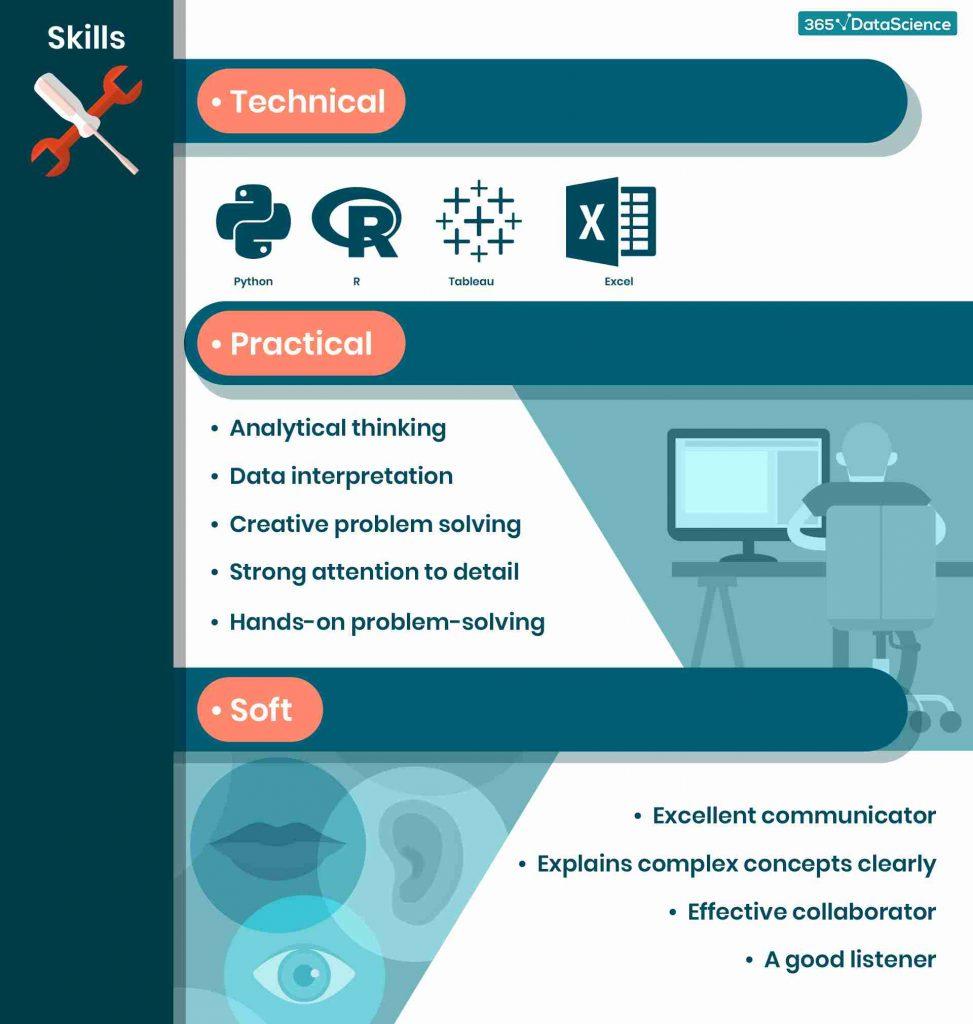
Essential Skills for Education Data Scientists
Prosperous education data scientists bring together technical expertise,analytical thinking,and a passion for educational equity and effectiveness. The most sought-after skills include:
- Statistical analysis: Understanding of statistics and the ability to interpret complex data sets.
- Programming: Proficiency in languages like Python or R for data manipulation and model development.
- Data wrangling: Experience cleaning and normalizing large and often messy educational datasets.
- Machine learning: Knowledge of supervised and unsupervised learning techniques to develop predictive models.
- Data visualization: Creating clear, actionable dashboards and reports for non-technical stakeholders.
- Educational knowledge: Familiarity with learning assessments, curriculum standards, and teaching best practices.
- Dialog: Ability to translate technical findings into insights that influence policy, teaching, and learning strategies.
- Project management: Coordinating projects with educators, administrators, and IT teams.
- Ethical and privacy awareness: Understanding FERPA and managing sensitive student data responsibly.
Salary Guide: How Much Do Education Data Scientists Earn?
Salaries for education data scientists vary depending on the level of experience, institution type, and geographic location. Here’s what you can expect:
- Entry-level positions (0-2 years): $60,000 – $80,000 per year
- Mid-level positions (3-7 years): $80,000 – $105,000 per year
- Senior/lead data scientists (7+ years): $105,000 – $140,000+ per year
- Education sector variables: Data scientists at large universities or in edtech companies may earn higher salaries than those in smaller K-12 settings.
In addition to base salaries,many education data scientists enjoy comprehensive benefits,including professional development stipends,health insurance,and flexible work arrangements.
Benefits of Being an Education data Scientist
A role in educational data science offers numerous professional and personal rewards, such as:
- Pioneering innovation: Be at the forefront of developing data-driven solutions for teaching and learning.
- Making a difference: Directly contribute to improved educational equity, student retention, and academic success.
- Interdisciplinary collaboration: Work alongside educators, administrators, IT professionals, and policymakers.
- lifelong learning: Engage with evolving data science tools and educational research.
- Job security and growth: Data-driven decision making is becoming essential in education, making this role increasingly in demand.
Practical Tips for Landing a Job in Education Data Science
Eager to kickstart or advance your career in education data science? Here are some actionable strategies to help you stand out:
- Highlight relevant projects: Show experience working with real educational data or projects that made an impact on learning outcomes.
- Learn education-specific platforms: Acquire hands-on experience with common tools such as Student Data Systems (SIS), Learning Management Systems (LMS), or education assessment tools.
- Develop a strong portfolio: Build a showcase of your data projects, including case studies, data visualizations, and model explanations relevant to education technology.
- Emphasize communication: Employers value candidates who can explain complex results to non-technical audiences. Practice writing executive summaries and presenting insights visually.
- Stay current: Follow industry trends, read leading research in educational data mining and learning analytics, and regularly update your tech skills.
- Network with intent: Seek informational interviews with professionals working in EdTech or university data science teams.
- Consider further education: Advanced degrees, certifications (such as those in learning analytics or educational research), or teaching licensure can boost your credibility.
Conclusion: Shaping the Future of Education Through Data
The role of an education data scientist sits at the intersection of technology, learning, and analytics—making it one of the most impactful and exciting career paths in today’s educational landscape. Whether you’re a seasoned data professional or an educator ready to upskill, opportunities abound in universities, colleges, schools, and EdTech companies. By building the right skillset, fostering key relationships, and staying passionate about improving education, you can play a pivotal role in shaping learning experiences for generations to come.
Ready to transform education with data? Embark on your journey today and become an integral part of the future of educational technology!