
What Does an Educational Impact Analyst Do? Role Breakdown, Skills, and Career Outlook
Are you passionate about education and technology? Do you want to make a difference by driving positive change in schools, colleges, or universities? if so, a career as an Educational Impact analyst could be exactly what you’re looking for. This dynamic role bridges data analysis, educational research, and technology implementation, all aimed at enhancing student outcomes and institutional effectiveness. In this thorough guide, we’ll break down the responsibilities, necessary skills, career prospects, and practical tips to succeed as an Educational Impact analyst in the education technology sector.
Introduction to the Role of an Educational Impact Analyst
The field of education technology is evolving rapidly, and institutions are eager to evaluate the real impact of the tools and strategies they implement. That’s where an educational Impact analyst steps in. These professionals use data-driven insights to assess, report, and optimize educational programs and technologies.
Whether you’re aiming for a position in a college, university, or K-12 school, understanding what this role entails will help you decide if it aligns with your career goals in edtech jobs.
Role Breakdown: What Does an Educational Impact Analyst Do?
An Educational Impact Analyst’s primary mission is to evaluate how learning technologies or interventions affect student achievement, faculty performance, and institutional objectives. They work at the critical intersection of technology, data science, and educational theory. Below are the typical responsibilities:
- Conducting Impact Studies: Design and execute studies to measure the effectiveness of new or existing educational technologies and instructional strategies.
- Data Collection & Analysis: Gather quantitative and qualitative data from various sources, such as learning management systems, surveys, academic records, and classroom observations.
- Reporting & Visualization: Create detailed reports and visual dashboards that communicate findings to different stakeholders, including faculty, governance, and technology vendors.
- Strategy Recommendations: Propose actionable improvements based on impact analysis to enhance teaching, learning, and student engagement.
- Collaborating With Stakeholders: Work closely with IT departments, teachers, instructional designers, and data scientists for holistic program evaluation.
- Ensuring Compliance & Ethics: Maintain ethical standards and data privacy regulations (like FERPA or GDPR) in all research and analysis activities.
In essence, an Educational Impact Analyst acts as a bridge, connecting data-driven insight and educational practice, making a measurable difference in the quality of education delivered.
Essential Skills for Educational Impact Analysts
Excelling in this role requires a blend of technical, analytical, and interpersonal skills. Here are the core competencies you’ll need:
1. Analytical & Critical Thinking
- Expertise in statistics and research methodologies
- Ability to interpret complex data sets and identify actionable trends
- knowledge of assessment frameworks and learning analytics
2. Technical & Data Skills
- Proficiency with statistical software (e.g., SPSS, R, Python, SAS)
- Familiarity with data visualization tools (Tableau, power BI, Excel dashboards)
- Competence in using Learning Management Systems (LMS) and educational databases
3. Dialog & Presentation
- Ability to present results clearly to a non-technical audience
- Experience writing formal reports and creating compelling visualizations
- Comfort with delivering presentations and workshops
4. Project Management
- Organizational skills to coordinate multiple projects together
- Strong time management and deadline-driven approach
5. Educational & Institutional Knowledge
- Understanding of pedagogy, curriculum design, and current trends in education technology
- Awareness of education policy, data privacy standards, and institutional goals
Educational Requirements and Qualifications
Most employers seeking Educational Impact Analysts look for candidates with a combination of educational credentials and work experience. The most common qualifications include:
- Bachelor’s or master’s degree in education, statistics, data science, psychology, or educational technology
- Experience with educational research or program evaluation
- Certifications in data analysis, learning analytics, or project management (optional but beneficial)
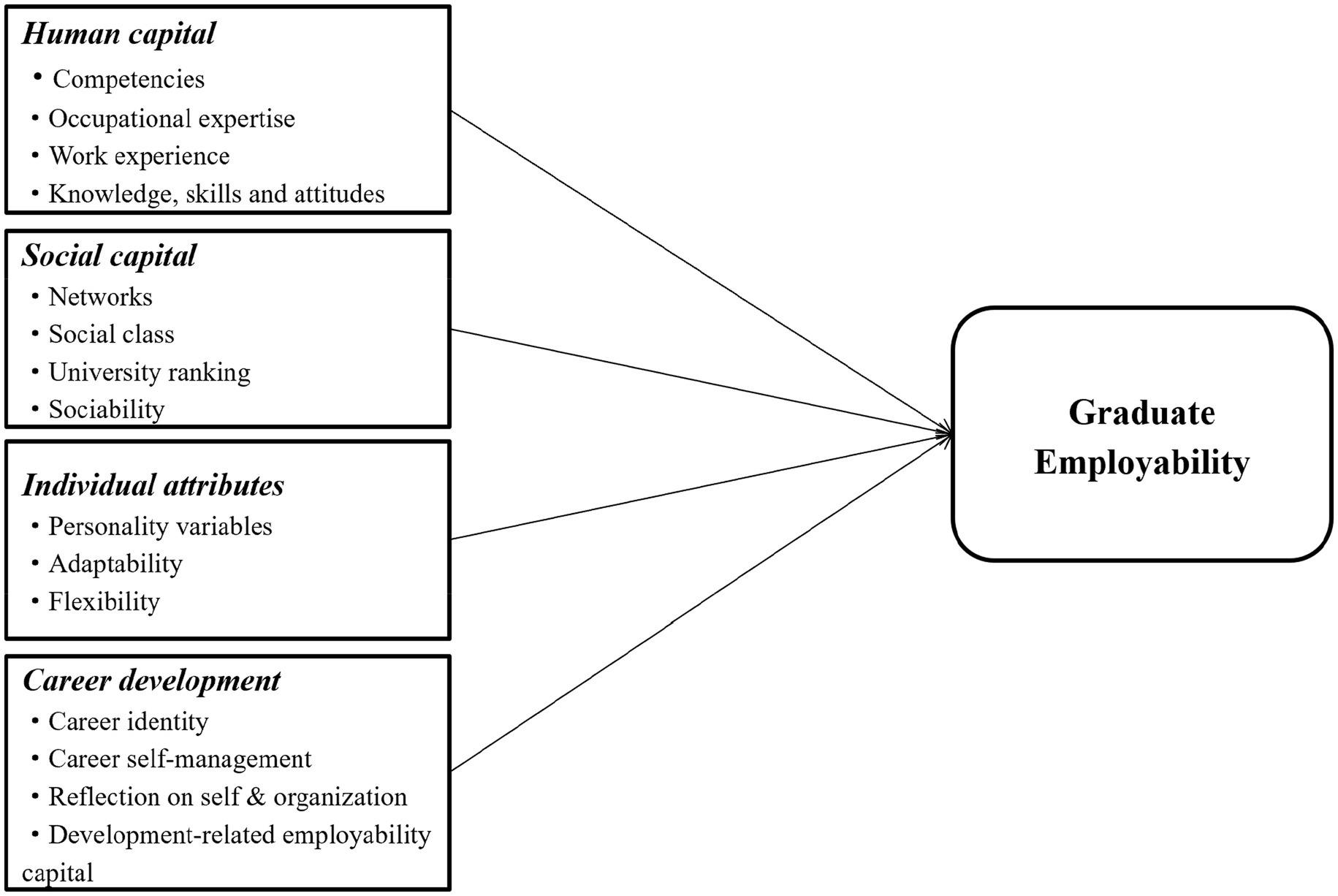
Pursuing additional training in emerging technologies (AI in education, adaptive learning, etc.) can further boost your profile and employability.
Career Outlook: Job prospects in EdTech
The demand for Educational Impact analysts continues to grow as universities, colleges, and K-12 schools invest in evidence-based approaches to teaching and learning technology. According to sector trends:
- School districts, higher education institutions, and educational technology companies are expanding their analytics teams.
- there is an increasing focus on data-driven decision-making and accountability, especially for grant-funded or large-scale initiatives.
- Remote and hybrid learning models have increased the importance of measuring technology’s impact on educational outcomes.
- Related job titles include Learning Analytics Specialist,Education Research Analyst,Assessment Data Analyst,and Instructional Effectiveness Analyst.
The career outlook for this profession is strong, with opportunities to advance into leadership roles in institutional research, educational policy, or edtech product growth.
Benefits of a Career as an Educational impact Analyst
Choosing a career as an Educational Impact Analyst offers multiple professional and personal benefits:
- Making a Real Difference: Your work directly impacts the quality of education, helping students and faculty succeed.
- High Demand in Schools and Universities: EdTech jobs in analytics are increasingly vital for institutions seeking accountability and innovation.
- Continuous Learning: Exposure to cutting-edge research and evolving technology keeps the role intellectually stimulating.
- Room for Advancement: Experience in impact analysis can open doors to senior analyst, management, or director-level positions.
- Competitive Compensation: Salaries are attractive, especially with advanced expertise in data analytics and educational research.
Practical Tips to Land a Job as an Educational Impact Analyst
Ready to break into this exciting field? Here are actionable steps to enhance your employability as an Educational Impact Analyst:
1. Build a Strong Educational Background
- Pursue degrees or certifications in education, analytics, or technology-enhanced learning.
- Take courses in quantitative research, statistics, and programming to strengthen your technical foundation.
2. Gain Hands-on Experience
- Volunteer for data analysis projects in educational settings or participate in research internships.
- Collaborate on studies related to the effectiveness of instructional technology.
3. Build Your Portfolio
- Document completed projects, impact studies, or dashboards to showcase your analytical and communication skills.
- Highlight case studies or success stories in your resume and professional profiles.
4.Network in the EdTech Community
- Attend industry conferences,seminars,and webinars focused on education data and analytics.
- Join professional organizations and online forums for educational technology professionals.
5. Keep Skills current
- stay updated on new developments in data analysis tools, assessment frameworks, and privacy standards.
- Pursue micro-credentials in specialized areas, such as AI in education or UX research.
Conclusion: Is a Career as an Educational Impact Analyst Right for you?
Educational Impact analysts are instrumental in transforming education for the digital age. if you have a passion for technology, a knack for data analysis, and the drive to enhance student outcomes, this role offers a unique and rewarding career path. as the demand for edtech jobs in universities, colleges, and schools continues to rise, there’s never been a better time to build your expertise and pursue opportunities in this dynamic field.
Whether your just starting or seeking to advance your career, the skills and experience gained as an Educational Impact Analyst will equip you to make a meaningful impact in education technology for years to come.