
What Does an Educational Impact Analyst Do? roles, Skills, and Career Path Explained
Are you interested in making a tangible difference in education while leveraging your analytical skills and tech-savvy mindset? The role of an Educational Impact Analyst is an exciting and evolving career within universities, colleges, and schools. Whether you’re a recent graduate or a professional looking to pivot into education technology jobs, this role offers rewarding opportunities to shape how learning is measured and improved. In this complete guide, you’ll discover what an Educational Impact Analyst does, the skills you need, possible career paths, and tips to succeed in this vital education technology field.
Introduction to the Role of an Educational Impact Analyst
The demand for qualified professionals who can analyse, interpret, and report the outcomes of educational technology initiatives is growing rapidly. As universities and schools increasingly implement tech-driven teaching methods,the need for data-driven decision-making in education has never been greater. This is where Educational Impact Analysts come in.
An educational Impact Analyst collects and evaluates data related to educational programs, instructional tools, and technology platforms. Their primary goal is to assess and maximize the effectiveness of learning initiatives, ensuring that institutions achieve positive student outcomes and efficient resource use.in essence, they bridge the gap between cutting-edge technology adoption and measurable academic impact.
Key Roles and Responsibilities of an Educational Impact Analyst
Educational Impact Analysts wear many hats within educational institutions. Some of their core responsibilities include:
- Data Collection and Analysis: Gathering data from various sources such as standardized tests, learning management systems (LMS), classroom tech tools, and student feedback surveys.
- Impact Assessment: Evaluating the effectiveness of teaching methodologies, educational programs, and technology tools by analyzing outcomes like student engagement, achievement, and retention.
- Reporting: Creating clear, actionable reports and presentations for administrators, faculty, and stakeholders to guide decision-making.
- Research and Benchmarking: Conducting research to compare internal outcomes against external standards or benchmarks, identifying best practices and areas for improvement.
- Stakeholder Collaboration: Working closely with teachers, IT teams, instructional designers, and school leaders to recommend evidence-based improvements and support edtech integration.
- programme Evaluation: Designing and managing studies to measure the short- and long-term impacts of new curricula, instructional techniques, or digital tools.
- Continuous Improvement: Participating in ongoing professional development and staying updated on the latest educational research and technology trends.
Essential Skills and Qualifications for Educational Impact Analysts
To thrive in an education technology career as an Impact Analyst, you’ll need a unique blend of skills. While the requirements can vary by institution, the following skills and qualifications are highly valued:
Technical and Analytical skills
- Proficiency in data analytics software (Excel, SPSS, R, SAS, Python, etc.).
- Understanding of data visualization tools (Tableau, Power BI, Google data Studio).
- Strong quantitative and qualitative research abilities.
- Familiarity with educational assessment methods and standards.
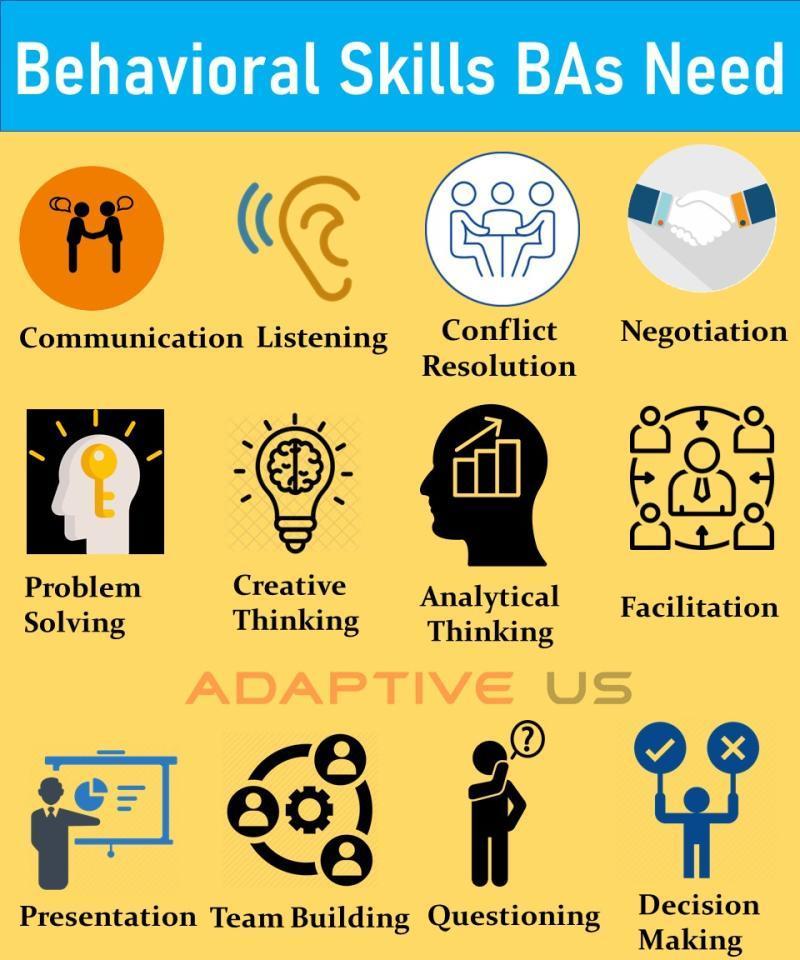
Communication and Collaboration
- Excellent written and verbal communication skills for data storytelling and presenting complex findings to non-technical audiences.
- Ability to work collaboratively in cross-functional teams (teachers, IT, administrators).
- Active listening skills for gathering and interpreting feedback from diverse stakeholders.
Educational Background
- bachelor’s or master’s degree in Education, Education Technology, Data Science, Statistics, or a related field.
- Professional certifications in data analysis, educational research, or project management can give you a competitive edge.
Personal Attributes
- Keen attention to detail and a commitment to accuracy.
- Passion for improving educational outcomes and supporting teaching excellence.
- Curiosity, adaptability, and eagerness to learn about emerging edtech solutions.
How Educational Impact Analysts Drive Change in Universities, Colleges, and Schools
One of the most rewarding aspects of being an Educational Impact Analyst is the ability to drive meaningful change. Here’s how analysts make a difference:
- Informed Decision-Making: Through robust data analysis, analysts help educational institutions make evidence-based choices when adopting new technologies or instructional practices.
- Improved Student Outcomes: By continually assessing what works, analysts facilitate improvements that lead to better student engagement, higher achievement, and greater equity.
- Resource Optimization: Analysts ensure that investments in educational technology deliver maximum value, recommending adjustments to enhance efficiency and impact.
- Innovation and Growth: Their work supports a culture of innovation, enabling universities, colleges, and schools to stay current with the latest advancements in teaching and learning.
Career Path and Advancement Opportunities
the career trajectory for Educational Impact Analysts is full of development opportunities. Here’s how you can grow within this rewarding field:
Entry-Level Opportunities
- data Analyst in educational settings
- Research Assistant in education-focused research centers
- Educational technology Specialist with a data focus
Mid-Level and Senior Roles
- Educational Impact Analyst or Education Data Analyst
- Assessment and Evaluation Coordinator
- Instructional Technology Manager
- Director of Educational Assessment
Long-Term Career Outlook
- Chief Learning Officer (CLO)
- Vice President of Learning Analytics
- Consultant in education data or policy
- autonomous educational researcher
Many professionals leverage their analytical experience to transition into leadership positions, manage educational technology programs, or move into policy-making roles.
Benefits of Working as an Educational Impact Analyst
Choosing a career as an Educational Impact Analyst in higher education or K-12 settings comes with a host of unique benefits:
- Meaningful Work: Directly contribute to improved learning outcomes and educational opportunities for students and educators.
- Dynamic Work Surroundings: The field is always evolving, especially with rapid edtech innovations.
- career Flexibility: The role is in demand across universities, colleges, and schools as well as within edtech companies and educational consultancies.
- Continuous Learning: Opportunities for professional development abound, both in education and in analytics.
- Competitive Compensation: as data-driven decision-making grows in importance, salaries for skilled analysts are highly competitive.
Practical Tips for Launching Your Career as an Educational Impact Analyst
If you’re eager to start or advance your journey in education technology jobs, here are some practical tips to help you stand out:
- Build a Strong Foundation: Pursue education in relevant fields such as Data Science, Education Technology, or Statistics to acquire essential technical and analytical skills.
- Gain Experience Through Internships: Seek out internships or part-time roles in institutional research offices, edtech firms, or educational non-profits.
- Develop Your analytical Toolkit: Master key data analysis and visualization tools. Online courses or certifications in analytics can boost your profile.
- Network with Professionals: Attend edtech conferences, join professional groups, and connect with analysts and educators on social media platforms like linkedin.
- stay Informed: Follow the latest research in educational outcomes assessment, learning analytics, and edtech trends to ensure your skills remain relevant.
- Showcase Your Work: Create a portfolio that highlights your ability to collect,analyze,and communicate data-driven insights. Real-world examples stand out to hiring committees.
- Hone Your Soft Skills: Focus on clear communication, project management, and the ability to translate data into actionable strategies for classroom and program improvement.
Conclusion: The Growing Importance of Educational Impact Analysts
In an era where data lies at the heart of every educational innovation,the role of the Educational Impact Analyst has never been more crucial. These professionals ensure that universities, colleges, and schools make well-informed decisions to enhance learning outcomes, optimize resources, and foster a culture of continuous improvement.
If you’re passionate about both education and analytics, this career path offers a unique blend of challenge and purpose. As educational institutions continue to embrace technology, the demand for skilled analysts will only grow, providing long-term job security and professional fulfillment. Start building your skills today, and you could play a key role in shaping the future of learning through data and technology.