
What Does an Instructional Design Consultant Do? Key Roles, Skills, and Hiring Tips
With the dynamic evolution of educational technology, the role of the instructional design consultant has become indispensable for universities, colleges, and schools aiming for excellence in digital classrooms and blended learning environments. If you are a job seeker passionate about improving learning experiences through technology,understanding the responsibilities,required skills,and job market trends for instructional design consultants is essential. This extensive guide explores what an instructional design consultant does, key skills needed, benefits of the role, and tips for landing your next job in education technology.
Introduction to Instructional Design consultancy
An instructional design consultant is an education technology professional who partners with academic institutions to develop, implement, and evaluate learning experiences and resources.These experts leverage pedagogical theories, digital platforms, and multimedia tools to create effective learning content aligned with institutional goals and learners’ needs. Instructional design consultants work with faculty, administrators, and technical teams to integrate innovative teaching strategies into face-to-face, online, or hybrid settings.
Key Roles and Duties of an Instructional Design Consultant
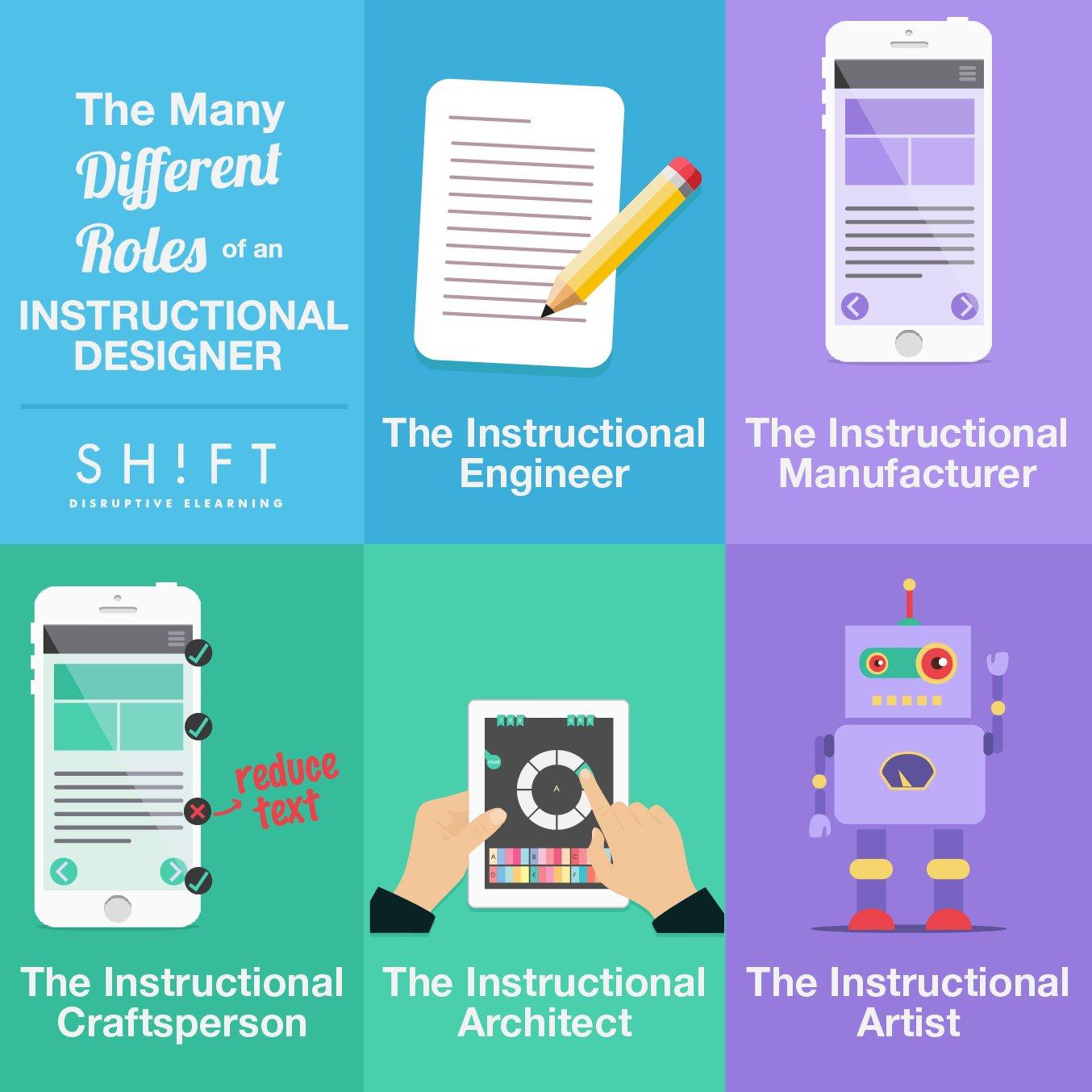
Instructional design consultants wear many hats within schools, colleges, and universities. Their principal responsibilities include:
- Curriculum Analysis and Design: Assessing current curricula, identifying gaps, and designing new instructional materials and modules to foster optimal learner outcomes.
- Technology Integration: Advising on and incorporating educational technologies such as Learning Management systems (LMS), digital assessment tools, interactive content, and virtual classrooms.
- Faculty and Staff Training: Training teaching staff and administrators on instructional technologies, e-learning tools, and best practices in online pedagogy.
- Instructional Material Development: Creating video lectures,interactive simulations,multimedia presentations,and assessment tools tailored to different learning styles.
- Program Evaluation and Continuous Enhancement: Collecting feedback,measuring learning effectiveness,and iterating course designs for continuous improvement.
- Project Management: Managing projects, timelines, and stakeholder dialog to ensure the successful launch of new instructional initiatives.
Consultant vs. in-House designer: What’s the Difference?
Unlike in-house instructional designers, consultants often work on a contract or project basis, offering an external, objective viewpoint. They bring specialized expertise and can quickly adapt to various institutional cultures, which makes them valuable during major curriculum overhauls, LMS migrations, or new program launches.
Essential Skills for Instructional Design Consultants
To thrive in this dynamic education technology role, aspiring instructional design consultants need a unique blend of skills, including:
- Deep Pedagogical Knowledge: Understanding of learning theories, adult education principles, and best instructional practices.
- Technology Proficiency: Facility with e-learning authoring tools (e.g., Articulate Storyline, Adobe Captivate), LMS platforms (Blackboard, Canvas, Moodle), and multimedia design software.
- needs Assessment & Research: Capability to analyze learner needs, conduct curriculum audits, and stay up to date with evolving instructional methodologies.
- Project Management: Strong organizational skills, with experience in managing multiple stakeholders, budgets, and deadlines.
- Change Management: Sensitivity to institutional culture and tactics for encouraging faculty adoption of new technologies.
- Communication & Collaboration: excellent interpersonal skills for working with educators, IT staff, and administrators.
- Creativity & Problem Solving: Innovative thinking to translate educational goals into engaging digital learning experiences.
Benefits of Working as an Instructional Design Consultant
The instructional design consultant role offers unique benefits for those passionate about education technology, such as:
- Flexible Career Trajectory: Opportunities to work across diverse institutions and education levels, from K-12 schools to higher education and even corporate training.
- Continuous Learning: Exposure to the latest advances in pedagogical theory and digital tools, with opportunities for ongoing professional development.
- High Impact: The ability to influence teaching outcomes and contribute to transformative change in education delivery.
- Professional Independence: For consultants, the adaptability to choose projects, clients, and work schedules.
How to Become an Instructional Design Consultant
Educational Background and Certifications
- Minimum qualifications: A bachelor’s degree in instructional design, education technology, curriculum development, or a related field is frequently enough required.
- Advanced Degrees: A master’s degree or PhD in Instructional Design, Education, or Learning Sciences can considerably enhance your prospects.
- Industry Certifications: Completing recognized certifications, such as Certified Professional in Learning and Performance (CPLP) or courses in popular authoring tools, increases credibility.
Experience Matters
- build a portfolio showcasing your instructional design projects, including syllabi, course modules, and multimedia content.
- Network with faculty, tech teams, and other instructional designers via industry events or online communities.
- Volunteer for projects or internships if you’re transitioning from a teaching or administrative background.
Practical Job Search Tips for aspiring Instructional Design Consultants
Ready to land your next job as an instructional design consultant in a university, college, or school? Consider these practical job search tips:
- Tailor Your Resume and Portfolio: Highlight relevant projects, technology expertise, and measurable outcomes. Include e-learning samples or links to your work.
- research the Institution: understand each school’s educational philosophy, technology stack, and unique challenges to customize your application and interview responses.
- highlight Soft Skills: Emphasize communication, collaboration, and leadership competencies in your cover letter and interviews.
- Keep Abreast of EdTech Trends: Follow developments in blended learning,microlearning,mobile learning,and AI in education.
- Prepare for Scenario-based Interviews: Be ready to discuss past projects, troubleshoot hypothetical design challenges, and demonstrate how you manage competing priorities.
- Showcase Lifelong Learning: Share experiences with continuous professional development to convey adaptability in a rapidly changing field.
What Hiring Managers Look For when Recruiting Instructional Design Consultants
Understanding what academic institutions seek in instructional design consultants will help you stand out from the crowd:
- Proven Track Record: Demonstrable success designing and implementing learning experiences using technology.
- Strategic Thinking: The ability to align instructional design initiatives with broader institutional goals.
- Data-Driven Decision Making: Use of analytics and feedback to inform instructional improvements.
- Culture Fit: Sensitivity to the institution’s values, teaching traditions, and change readiness.
- Positive references: Recommendations from faculty or administrators on past or current projects.
Future Trends in Instructional Design for Education Technology
The field of instructional design consultancy is continually evolving, with these trends shaping the future:
- Artificial Intelligence in Learning Analytics: AI-driven tools provide actionable insights and personalized learning pathways.
- Immersive Technologies: VR, AR, and mixed-reality experiences are increasingly adopted to enhance content delivery and engagement.
- Mobile-Frist Learning Environments: With more students learning on the go, mobile-centric design is becoming essential.
- Inclusive and Accessible Design: Global Design for Learning (UDL) principles ensure content is accessible to all learners.
- Short-Form and Microlearning Content: Bite-sized learning modules are on the rise for skill-focused, just-in-time training.
Conclusion: Paving Your Path as an Instructional Design Consultant
The instructional design consultant role stands at the crossroads of education and technology, offering an exciting and impactful career for job seekers passionate about shaping the future of learning. By understanding the key responsibilities, refining your skillset, and staying informed about new technologies and trends, you can position yourself as an invaluable asset to schools, colleges, and universities. Whether you are starting your journey or seeking to advance, the world of educational technology is ripe with opportunities for skilled instructional design consultants ready to innovate and inspire.