
What Does an Instructional Design Consultant Do? Roles, Skills, and How to Hire
Instructional design consultants play an integral role in shaping the future of education technology at universities, colleges, and schools. As institutions seek to enhance teaching and learning through digital transformation,the demand for skilled professionals who can bridge the gap between pedagogy and technology continues to grow. Whether you’re exploring a career in this dynamic field or hiring an instructional design consultant for your educational institution, understanding their responsibilities, key skills, and successful hiring strategies is crucial. Let’s dive deeper into what instructional design consultants do, the value they bring, and how you can secure top talent for your team.
Understanding the Role of an Instructional Design Consultant
An instructional design consultant is an education technology specialist responsible for developing,implementing,and evaluating learning experiences. They blend educational theory with the latest technology to create effective, engaging, and accessible instructional materials for a variety of learners. their expertise is valuable to universities, colleges, and schools seeking to modernize curricula, integrate digital resources, and foster better learning outcomes both online and in-person.
Key Responsibilities of an Instructional Design Consultant
- Collaborating with faculty,subject matter experts,and administrators to identify learning needs and goals
- Designing curriculum and instructional materials tailored to specific educational objectives
- Developing online courses,e-learning modules,and blended learning experiences
- Incorporating best practices for instructional design,such as Universal Design for Learning (UDL) and accessibility standards
- Evaluating the effectiveness of instructional solutions and making data-driven improvements
- Advising on the selection and implementation of educational technologies and learning management systems (LMS)
- Training faculty and staff in instructional design principles and digital pedagogy
- Project management of course development initiatives from concept to delivery
Essential Skills for Instructional Design Consultants
Instructional design consultants must possess a blend of technical know-how,pedagogical insight,and interpersonal skills to succeed in the education technology sector. Below are some of the most sought-after competencies:
- Instructional Design Theories: Deep knowlege of adult learning principles,Bloom’s Taxonomy,ADDIE model,SAM model,and other instructional design frameworks.
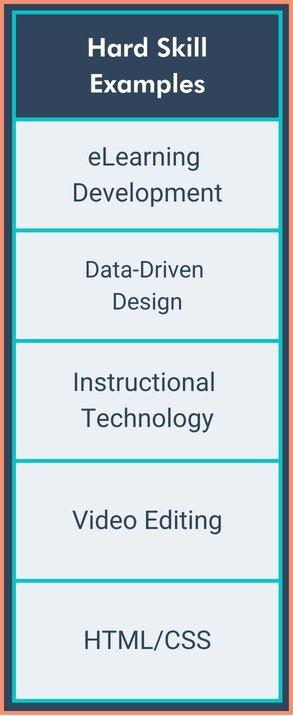
- Technology Proficiency: Proficient in course authoring tools (e.g., articulate Storyline, Adobe Captivate), LMS platforms (Canvas, Blackboard, Moodle), and multimedia development tools.
- Project Management: Experience in leading projects, managing deadlines, and coordinating with diverse teams across university or college departments.
- Assessment Design: Skills in creating effective formative and summative assessments to measure student learning outcomes.
- Analytical Thinking: Ability to interpret data, evaluation feedback, and learning analytics to continuously improve educational offerings.
- Communication: Excellent written and oral communication skills to translate complex ideas and collaborate effectively.
- Change Management: expertise in leading organizational change as new technologies and instructional methods are introduced.
- Accessibility and Inclusivity: Comprehensive understanding of ADA standards, WCAG, and Universal Design for Learning for creating accessible content.
Typical Work Environments: Universities, Colleges, and Schools
Instructional design consultants work across various academic settings, each offering unique challenges and opportunities:
- Universities and Colleges: Focus on large-scale course development, faculty training, and the adoption of learning management systems. Projects may span entire degree programs, MOOCs, or continuing education offerings.
- Schools (K-12): Work closely with teachers and administrators to design digital resources, support blended and remote learning, and ensure age-appropriate technology integration.
Benefits of Hiring an Instructional Design Consultant
Adding an instructional design consultant to your institution brings a wealth of advantages:
- Enhanced Learning Outcomes: Strategic curriculum design fosters better student achievement and engagement.
- Efficient Digital Transformation: Experts facilitate transitions to online, hybrid, or technology-enabled learning environments.
- faculty Empowerment: Ongoing training and support help instructors adopt new teaching methods confidently.
- Improved Accessibility: Consultants ensure that all resources are inclusive, meeting the needs of diverse learners.
- Cost-Effectiveness: Effective use of technology and resources leads to long-term savings and scalability.
How to Hire an Instructional Design Consultant: A Practical Guide
As educational organizations embrace education technology, finding the right instructional design consultant is critical. Here’s a step-by-step hiring process designed for universities, colleges, and schools:
1. Define Your Needs and Project Scope
Clearly outline your goals. Are you looking to launch new online courses, revamp existing curricula, or standardize digital learning experiences across departments? Understanding the project’s size and complexity will inform your job description and candidate expectations.
2.Develop a Detailed Job Description
- List essential qualifications and experience (e.g., a master’s in instructional design, education technology, or related field)
- Highlight knowledge of key technologies, platforms, and pedagogical models relevant to your setting
- Specify soft skills required (communication, project management, training abilities)
- Detail the consulting scope (short-term project, long-term contract, or ongoing retainer)
3. Where to Find Top Talent
- Post openings on educational technology job boards and platforms focused on higher education or K-12 recruiting
- Tap into professional networks, associations (such as the Association for Educational Communications and Technology), and linkedin groups
- Collaborate with graduate programs specializing in instructional design or education technology
4. Evaluate Portfolios and Case Studies
A strong instructional design consultant will provide a comprehensive portfolio. Look for:
- Sample course designs, storyboards, and e-learning modules
- Evidence of measurable impact (improved learner engagement, higher completion rates, accessibility achievements)
- References from previous academic clients
5. Assess Both Technical and Interpersonal Skills
Beyond technical expertise, effective instructional design consultants must communicate clearly with faculty, administrators, and technical teams. Include scenario-based questions or practical tasks in your interview process to gauge problem-solving and collaboration abilities.
6. Align on Expectations and Deliverables
Before extending an offer, ensure both parties agree on project timelines, deliverables, payment structure, and performance metrics. This step is essential in academia, where projects frequently enough intersect with academic calendars.
Practical Tips for Aspiring Instructional Design consultants
- Build a Diverse Portfolio: Showcase a wide range of projects, including courses for different academic levels and formats (online, hybrid, face-to-face).
- Stay Tech-Savvy: Keep up with the latest education technology trends, tools, and pedagogical best practices.
- Network within Academia: Attend conferences, webinars, and workshops related to education technology and instructional design.
- Seek Continuous Learning: Enroll in certifications or micro-credentials in instructional design and relevant software platforms.
- Develop Consulting Skills: Practice client communication, project scoping, and the art of giving and receiving feedback.
Conclusion: Instructional Design Consultants Drive educational Innovation
The role of an instructional design consultant is crucial in today’s rapidly evolving educational landscape. These professionals enable universities, colleges, and schools to deliver high-quality, technology-enhanced learning experiences that meet the diverse needs of modern students. By understanding their roles, essential skills, and the hiring process, educational institutions can make informed decisions to enhance their teaching and learning strategies. For job seekers,developing a robust set of instructional design skills and staying at the forefront of education technology trends will open the door to a rewarding career that shapes the future of education.