
What Does an Instructional Designer Do? Key Roles,Skills,and Career Paths Explained
Are you considering a career in education technology and wondering what an instructional designer actually does? As technology reshapes the educational landscape,instructional design has become a sought-after profession in universities,colleges,and schools. This comprehensive guide will help you understand the key roles, required skills, benefits, and diverse career paths available to instructional designers in the world of education.
Introduction: The Crucial Role of Instructional Designers
Instructional designers play a pivotal part in shaping effective learning experiences in both conventional and digital environments. As education evolves with the integration of technology, these professionals are in high demand to create engaging, accessible, and effective educational materials and courses. whether you are looking to work at a university, college, or K-12 school, understanding what instructional designers do will position you for success in this rewarding career path.
What is an Instructional Designer?
An instructional designer is an expert in designing, developing, and implementing instructional materials and learning experiences. Using principles from education, psychology, and technology, their goal is to facilitate better teaching and learning outcomes. The instructional designer acts as a bridge between subject matter experts, teachers, and learners, ensuring content is delivered in the most effective and engaging way possible.
Key Responsibilities of an Instructional Designer
The day-to-day duties of instructional designers vary depending on the institution, but some core responsibilities remain consistent across the education sector. Hear are the most common tasks instructional designers handle in universities, colleges, and schools:
- Needs Analysis: Assess learning needs and identify gaps to inform the design of new courses or the revision of existing materials.
- Course and Curriculum Design: Develop curricula and materials,including lesson plans,assessments,activities,and multimedia content.
- Instructional Technology Integration: Select, implement, and support the best technological tools and platforms to enhance learning.
- Collaborating with Subject Matter Experts (SMEs): Work closely with faculty, teachers, or other experts to translate complex information into engaging instructional content.
- Learning Management System (LMS) Administration: Upload and organize courses, track learner progress, and ensure a seamless online learning experience.
- Assessment and Evaluation: Design assessments, analyze data, and use feedback to improve learning materials and methods.
- Professional Growth Training: Conduct workshops or training sessions for teachers and faculty on instructional best practices and new technologies.
Essential Skills for Instructional Designers
To thrive as an instructional designer in education technology, you’ll need a mix of technical, creative, and interpersonal skills. Here are the core competencies sought by universities, colleges, and schools:
1. Instructional Design Theories
- Familiarity with ADDIE, Bloom’s Taxonomy, SAM, and other instructional design models
- Understanding of adult learning principles and learning psychology
2. Technology Proficiency
- Experience with Learning Management Systems (Canvas, Moodle, Blackboard, etc.)
- Knowledge of eLearning authoring tools (Articulate storyline, Adobe Captivate, Camtasia, etc.)
- Basic graphic design or multimedia development skills (Photoshop, video editing, animation)
3. Project Management
- Ability to manage multiple projects and deadlines
- Effective time management and association skills
4. Communication & Collaboration
- Strong written and verbal communication for clear documentation and guidance
- Skill in working collaboratively with teams, subject matter experts, and stakeholders
5. Problem-Solving & Adaptability
- Creative problem-solving for learning challenges
- Flexibility and adaptability in rapidly changing technology and educational environments
Benefits of a Career as an Instructional designer
Pursuing a role as an instructional designer in education technology brings many personal and professional rewards. Here are a few reasons why this could be your ideal career:
- High Demand: The growing need for online and blended learning in universities, colleges, and schools translates to strong job growth.
- Impactful Work: Contribute directly to student learning and educational success by designing effective teaching materials.
- Continuous Learning: Stay on the cutting edge of educational theories and new technologies.
- Collaborative Environment: Work alongside educators, technologists, and subject matter experts from diverse fields.
- Variety: Enjoy the challenge of tackling new projects, subject areas, and technologies regularly.
- Remote & Flexible Opportunities: Many instructional design positions offer remote work or flexible schedules, making it an attractive option for work-life balance.
Instructional Designer Career Paths in Education Technology
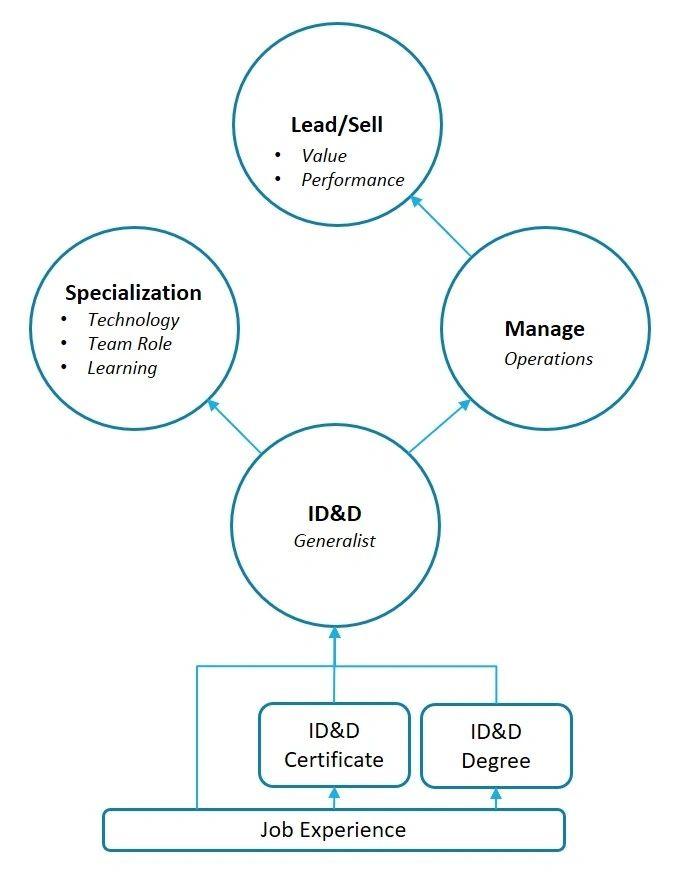
The field of instructional design offers diverse career trajectories, with room for specialization and growth.Here are some common paths and potential advancement opportunities:
- Entry-Level Instructional Designer: Support course development, assist with instructional materials, and learn the ropes while collaborating with senior designers and faculty.
- Senior Instructional Designer: Lead course and program design projects and mentor junior staff; often responsible for strategic initiatives.
- eLearning Developer: Specialize in creating interactive online content,multimedia,and advanced eLearning modules.
- Curriculum Developer: Focus on high-level curriculum planning and program alignment with institutional or accreditation requirements.
- Learning Experience Designer: Optimize the end-to-end learner experience, combining instructional design, user experience (UX), and accessibility.
- Instructional Technologist: Examine and support the integration of emerging technology tools, apps, and software in education.
- Project Manager or Director: Manage instructional design teams or oversee larger department or institutional technology initiatives.
How to Launch a Career in Instructional Design at Universities, Colleges, or Schools
If you want to become an instructional designer in the education sector, consider these practical steps:
- Earn the Right Qualifications:
- Bachelor’s degree in education, instructional design, educational technology, or a related field is usually required.
- Many employers prefer or require a master’s degree in instructional design,instructional technology,or curriculum development.
- Build Relevant Experience:
- Seek internships, volunteer projects, or part-time positions supporting faculty or educators.
- Design sample learning modules or eLearning projects to showcase your capabilities.
- Develop a Portfolio:
- Create a digital portfolio demonstrating your course design,multimedia production,and technology skills.
- Include diverse examples—lesson plans, storyboards, interactive modules, and assessment strategies.
- Stay current:
- Follow best practices in instructional design and learning technology.
- take professional development courses or certifications (such as ATD, AECT, or ISTE Credential).
- Network:
- Join professional associations, attend conferences, and connect with instructional designers, educators, and technology specialists.
- Participate in online forums and social media groups focused on education technology.
Tips for Succeeding as an Instructional Designer in Education Technology
- Embrace Collaboration: Foster strong relationships with faculty, teachers, and IT specialists for effective project outcomes.
- Prioritize Accessibility: Design with inclusivity in mind, ensuring materials are accessible to all learners, including those with disabilities.
- Gather Feedback: Regularly seek learner and instructor feedback to refine your instructional materials and approaches.
- Stay Adaptable: Be ready to adapt to new teaching models, technologies, and institutional priorities as they arise.
- Keep Learning: Continuously expand your knowledge of educational technology, pedagogy, and emerging trends.
Conclusion: Shaping the Future of Learning Through instructional Design
instructional designers are at the forefront of education technology, shaping how knowledge is delivered, understood, and retained. By blending creative design with technical expertise and educational theory, instructional designers play a crucial role in supporting learners and educators across universities, colleges, and schools. If you’re passionate about improving education through technology and innovation, a career as an instructional designer offers both impact and prospect. Start building your skills, expand your network, and prepare to join this dynamic and growing field, making a difference in the future of education.