
What Does an Instructional Designer Do? Key Roles, Skills & Career Insights
Are you curious about the growing field of education technology and want to know more about the career of an instructional designer? Whether you’re considering a new job at a university, college, or school, understanding the roles, responsibilities, and essential skills required to be an effective instructional designer can give you a competitive edge. In this complete guide, we’ll explore what an instructional designer does, the key competencies needed, career opportunities, and tips to land your ideal job in this thriving sector.
Introduction: the Importance of Instructional Designers in Education
In today’s rapidly evolving educational landscape, instructional designers play a crucial role in shaping the way knowledge is delivered and absorbed. As educational technology transforms classrooms and online learning environments,instructional designers are the creative architects behind course structures,interactive content,and learning experiences that enable effective teaching and learning. If you’re passionate about education and technology, a career as an instructional designer offers the perfect blend of both worlds.
What Is an Instructional Designer?
An instructional designer is a professional responsible for creating, developing, and optimizing educational experiences. They leverage instructional design models, learning theories, and technology to design courses and training programs that enhance learning outcomes. Instructional designers work across higher education institutions, K-12 schools, and even in corporate training settings, making this a versatile and in-demand career path.
Key Responsibilities of an Instructional Designer
Instructional designers wear manny hats, and thier work often varies depending on the institution and project. Typically, their duties include:
- Analyzing learning needs: Collaborating with faculty, subject matter experts (SMEs), or trainers to assess the goals, audience, and objectives of a course or curriculum.
- Designing curriculum and courses: Structuring content, activities, and assessments using instructional design frameworks like ADDIE (Analyze, Design, Develop, implement, Evaluate), SAM (Successive Approximation Model), or Backward design.
- Developing educational content: Creating digital learning materials, lesson plans, e-learning modules, multimedia presentations, and engaging activities that cater to diverse learning styles.
- Integrating educational technology: Selecting and implementing learning management systems (LMS) such as Canvas, Moodle, Blackboard, or custom platforms to deliver and track learning.
- Evaluating and revising instructional strategies: Analyzing learner feedback and outcomes to assess effectiveness and make data-driven improvements.
- Supporting educators and trainers: Providing professional development, guidance, and support to ensure effective use of instructional resources and technologies.
- Maintaining project timelines and documentation: Managing projects from conception to deployment, ensuring that instructional materials meet quality and institutional standards.
Essential Skills for Instructional Designers
Excelling as an instructional designer requires a diverse set of technical,creative,and interpersonal skills. Here are some of the core competencies employers look for when hiring for education technology roles:
- Knowledge of instructional design models and learning theory: Understanding frameworks such as Bloom’s Taxonomy, Gagné’s Nine Events of Instruction, or Worldwide Design for Learning (UDL).
- Technological fluency: Proficiency in learning management systems (LMS), authoring tools (Articulate Storyline, Adobe Captivate, H5P), multimedia creation, and web tools.
- Strong written and verbal interaction: Ability to articulate complex ideas, write clear instructions, and facilitate collaboration among stakeholders.
- Project management: Organizing tasks, setting deadlines, managing resources, and tracking project progress.
- Creativity and storytelling: Designing engaging, innovative learning experiences that motivate and inspire learners.
- Assessment and data analysis: Developing formative and summative assessments, analyzing results, and refining materials for maximum impact.
- Attention to detail: Ensuring accuracy, consistency, and accessibility in all learning materials.
- Adaptability and lifelong learning: Staying current with emerging technologies, pedagogical trends, and best practices in education.
Instructional Designer Roles in Universities, Colleges & Schools
Instructional designers play a pivotal role in various educational settings:
- Higher Education: At universities and colleges, instructional designers collaborate with faculty to develop online and blended courses, integrate technology into conventional curricula, and enhance accessibility for diverse student populations.
- K-12 Schools: In elementary and secondary schools, instructional designers align digital resources with state or national standards and support teachers in transitioning to digital or hybrid instruction.
- Corporate and Continuing Education: Outside traditional academia, instructional designers build training programs and ongoing professional development for organizations, tailoring content to adult learners.
Typical Job Titles and Career Progression
Depending on your experiance and the type of institution, you may find roles such as:
- Instructional Designer
- E-learning Developer
- Learning Experience Designer
- curriculum Developer
- Instructional Technologist
- Multimedia Instructional Designer
- Director of Instructional Design or Learning Technologies (senior careers)
With growth in education technology, there’s ample possibility to advance to leadership roles overseeing instructional design teams or broader educational initiatives.
Benefits of Working as an Instructional Designer
Choosing a career as an instructional designer comes with numerous advantages:
- Meaningful Impact: Shape the future of education and help learners succeed by improving their educational experiences.
- Versatile Opportunities: Work in K-12,higher education,corporate,healthcare,and non-profit sectors.
- Remote and Flexible Work: instructional design often allows for remote and project-based work, increasing work-life balance.
- Professional Development: Opportunities to continually learn new skills, tools, and technologies.
- competitive Salaries: Instructional designers typically enjoy competitive compensation, with higher earning potential as you gain experience.
Qualifications and Educational Pathways
To become an instructional designer, most employers look for the following qualifications:
- Bachelor’s degree: Typically in education, instructional design, instructional technology, educational psychology, or a related field.
- Master’s degree (preferred for many roles): Advanced degrees focused on instructional design, learning technologies, or educational leadership can set you apart.
- Relevant certifications: Credentials such as Certified professional in Learning and Performance (CPLP), eLearning Guild certificates, or other instructional design-focused programs.
- Portfolio of work: Showcasing examples of curriculum design, online modules, multimedia materials, or assessments you have developed.
Tips for Job Seekers: How to Start Your Instructional Design Career
If you’re passionate about merging education with technology and want to secure a role as an instructional designer at a university, college, or school, follow these practical tips:
- Build a strong portfolio: create sample e-learning modules, lesson plans, and multimedia content to demonstrate your skills.
- Master leading tools and technologies: Gain hands-on proficiency with popular learning management systems, course authoring tools, and digital collaboration platforms.
- Network with professionals: Connect with instructional designers and educators through conferences, online forums, or local meetups to learn about trends and job openings.
- Stay updated on education technology trends: follow industry news, join professional organizations, and engage with thought leaders to keep your skills relevant.
- Highlight transferable skills: If you have experience in teaching, project management, multimedia production, or UX design, emphasize these in your resume and interviews.
- Pursue continuing education: Consider short courses or certifications in instructional design, learning analytics, or educational technology.
- Apply to a variety of institutions: Don’t limit yourself—universities, community colleges, K-12 schools, and even nonprofit organizations need skilled instructional designers.
Key Takeaways: Is Instructional Design the Right Career for You?
Instructional designers are in high demand as education technology becomes increasingly integral to effective teaching and learning. If you’re creative, tech-savvy, collaborative, and passionate about helping others learn, this dynamic field can offer a fulfilling and flexible career path.
- Instructional designers bridge education and technology, shaping impactful learning experiences.
- Diverse roles exist in universities, colleges, schools, and beyond—offering career growth and specialization.
- Building your portfolio, mastering essential tools, and connecting with the education community are crucial to your success.
Conclusion
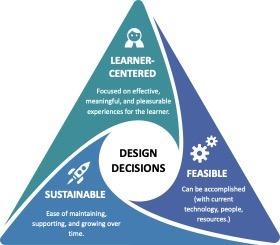
instructional designers are the hidden innovators powering modern education in universities, colleges, and schools. Their expertise in curriculum development, technology integration, and learner-centered design shapes the future of teaching and learning.If you’re ready to leverage your passion for education and technology into a dynamic career, now is the perfect time to explore opportunities in instructional design. Start building your skills, showcase your talents, and take the frist step towards a rewarding role in education technology today!