
What Does an Instructional Designer Do? Key Skills, Roles, and Career Guide
Are you passionate about developing effective learning experiences and considering a career in education technology? If so, the role of instructional designer might be the perfect fit. As digital transformation accelerates in universities, colleges, and schools, the demand for skilled instructional designers continues to grow. Weather you’re new to the field or looking to advance your career, understanding what an instructional designer does, the key skills you’ll need, and what to expect on the job is essential.
Introduction: The Essential Role of Instructional Designers in Education Technology
Instructional designers are the masterminds behind modern learning environments. They blend technology, pedagogy, and creativity to design educational experiences that are engaging, effective, and accessible. Instructional designers play a critical role in higher education and K-12 settings,collaborating with faculty,administrators,and technologists to craft courses and training that support student success.
If you’re searching for a job in education technology or want to become an instructional designer at a university, college, or school, this career guide will provide a comprehensive overview. We’ll explore the daily responsibilities of instructional designers, the skills and qualifications required, and practical tips for launching your career in this exciting field.
What Is an Instructional Designer?
An instructional designer (often abbreviated as ID) is a specialist who develops, implements, and evaluates curricula and course materials that leverage technology and instructional best practices. Instructional designers work with subject matter experts to create both in-person and online learning experiences tailored to diverse learner needs and institutional goals.
Core Focus Areas of Instructional Design
- Designing and developing instructional materials, such as e-learning modules, lesson plans, assessments, and multimedia resources.
- Integrating educational technology tools (e.g., learning management systems, interactive media, AR/VR, simulations).
- Evaluating and improving the effectiveness of learning experiences through data analysis and feedback.
- Ensuring accessibility and inclusivity in all instructional content.
Key Roles and Responsibilities of an Instructional Designer
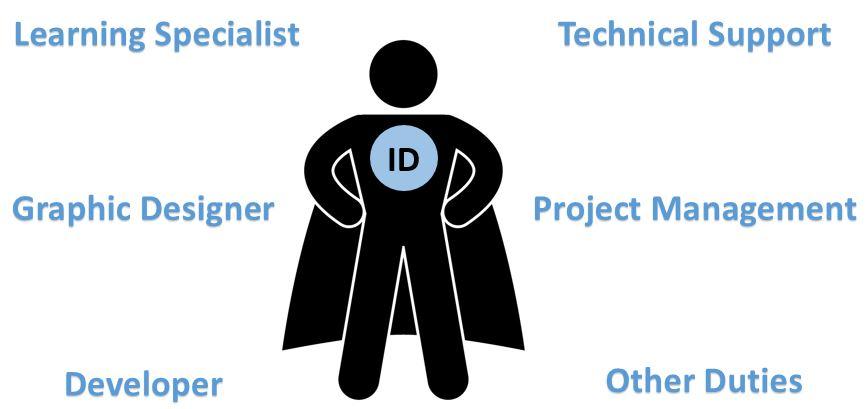
Instructional designers wear manny hats, frequently enough juggling multiple projects and collaborating with various stakeholders. Here’s a breakdown of common tasks and responsibilities you can expect in this role, especially within universities, colleges, and schools.
1. Needs Assessment
- Working with faculty or administrators to identify learning goals and areas for instructional improvement.
- Analyzing student or staff training needs using surveys, interviews, and performance data.
2. Instructional Design and Course Development
- Applying instructional design models, such as ADDIE or SAM, to structure lesson flow and curriculum.
- drafting course outlines, lesson plans, storyboards, and assessment strategies.
- Developing engaging, interactive learning content for online, hybrid, or face-to-face delivery.
3. Integration of Technology
- Incorporating digital tools like Canvas, Moodle, Blackboard, and multimedia platforms.
- Exploring innovative technologies such as gamification, virtual reality, and mobile learning.
4.Assessment and Evaluation
- Designing quizzes, tests, rubrics, and other assessment tools to measure learning outcomes.
- Collecting and analyzing feedback from learners and instructors for continuous improvement.
5. Professional Development and Training
- Conducting workshops or training sessions for faculty and staff on best practices in pedagogy and educational technology.
- Providing ongoing support for curriculum implementation and troubleshooting.
6. Ensuring Accessibility and Inclusion
- Designing content that adheres to accessibility standards (such as WCAG) for all learners.
- Creating inclusive learning materials that reflect diverse backgrounds and learning needs.
Key Skills Needed to Be a Prosperous Instructional Designer
Education technology and instructional design demand a unique blend of skills, combining technical expertise, creativity, dialogue, and analytical thinking. Here are the essential skills you’ll need to thrive in this field:
- Pedagogical Knowledge: understanding of learning theories and instructional strategies.
- Technical Proficiency: Experience with learning management systems, authoring tools (like Articulate Storyline, Adobe Captivate, Camtasia), and multimedia editing software.
- project Management: Ability to plan, organize, and execute projects from inception to completion while managing timelines and stakeholders.
- Communication: Strong written and verbal communication skills for collaborating with subject matter experts, faculty, and students.
- Analytical Skills: Capability to evaluate course effectiveness using data and learner feedback.
- Problem-solving: Creative troubleshooting skills to address instructional challenges and adapt to changing needs.
- Attention to detail: Precision in developing courses and ensuring high-quality, accessible materials.
- Adaptability: Willingness to stay current with emerging education technologies and trends.
Qualifications and Career Pathways
Most instructional designer positions at universities, colleges, and schools require a combination of formal education and practical experience. Here’s what you typically need to become an instructional designer in education technology:
- Bachelor’s Degree: Often in education, instructional design, instructional technology, or a related field.
- Master’s Degree (optional but beneficial): Many universities prefer candidates with a master’s in instructional design, education technology, or curriculum development.
- Certifications: Additional certifications in e-learning, project management, or specific edtech tools can boost your resume.
- Portfolio: Employers will often ask to see examples of your instructional design work, such as sample courses, modules, or learning objects.
- Relevant Experience: Prior work in teaching, training, or educational content creation is often highly valued.
Typical Career Progression
- Instructional Design Specialist
- Senior Instructional Designer
- Learning Experience Designer
- eLearning Developer
- Instructional Design Manager or Director
- Chief Learning Officer (CLO) or similar leadership roles
Benefits of a Career as an Instructional Designer
Working as an instructional designer in education technology offers a rewarding blend of creativity, problem-solving, and impact.Here are some key benefits:
- Contribution to Student Success: Directly influence how students learn and succeed by improving courses and experiences.
- Diverse Work Environment: Collaborate with educators, technologists, graphic designers, and administrators.
- Continuous Learning: Stay at the forefront of educational innovation and technology.
- Job Flexibility: Many instructional design roles offer remote or hybrid work options.
- Competitive Salaries: Salaries are typically competitive, especially in higher education and large school districts.
Practical Tips for Aspiring Instructional Designers
If you’re eager to land an instructional designer job at a university, college, or school, consider thes practical tips for breaking into the field and advancing your career:
- Build a Strong Portfolio: Create and curate samples of your instructional design work, even if they’re from personal projects or internships.
- Network Actively: Attend education technology conferences, webinars, and join professional organizations.
- Stay Tech-Savvy: Master in-demand tools and platforms relevant to education technology and curriculum design.
- Seek Feedback: Share your work with mentors or peers in the field to refine your skills and approach.
- Stay Curious: Remain engaged with current research, best practices, and new trends in instructional design.
- Volunteer: Offer your services to design courses or training for nonprofits or community groups to gain experience.
Conclusion: Is instructional Design right for You?
Instructional designers are vital to the success of educational institutions as they adapt to a rapidly changing technology landscape. If you are passionate about learning, technology, and creating impactful educational experiences, a career in instructional design could be an excellent fit. By cultivating the right skills, building an impressive portfolio, and staying connected with the education technology community, you’ll be well-equipped for a rewarding career as an instructional designer in schools, colleges, or universities. The future of learning depends on dedicated,innovative professionals like you—are you ready to make a difference?