
What Does an Instructional Designer Do? Skills, Roles, and Career Guide
Are you passionate about education and technology? Are you looking to build a fulfilling career within universities, colleges, or schools? Instructional design might be the perfect path for you. In this guide,we’ll break down exactly what an instructional designer does,the essential skills you’ll need,typical job roles,and practical tips for job seekers in education technology. Whether you’re new to the field or looking to advance your career, this comprehensive article will set you on the right path to becoming an instructional designer in the education sector.
What is an Instructional Designer?
an instructional designer is a specialist who creates effective and engaging learning experiences, primarily using educational technology.They work behind the scenes in universities, colleges, K-12 schools, and corporate environments to develop materials, courses, and digital content that improve both teaching and learning outcomes. by blending pedagogy, technology, and creative design, instructional designers help teachers deliver high-quality educational experiences that meet diverse learning needs.
Key responsibilities of an Instructional Designer
The role of an instructional designer can vary depending on the institution and the specific project at hand. however, some common duties include:
- Course Design: Developing instructional materials, online modules, syllabi, and assessments that align wiht learning objectives.
- Learning management System (LMS) Integration: Building, organizing, and maintaining courses within platforms such as Canvas, Blackboard, Moodle, and Google Classroom.
- Curriculum Development: Collaborating with subject matter experts (SMEs) to design courses or programs that reflect current educational standards and best practices.
- Technology Integration: Introducing and supporting edtech tools like interactive simulations, e-learning software, and multimedia content for blended or fully online learning environments.
- Assessment Design: Creating formative and summative assessments to measure student progress and course effectiveness.
- Continuous Improvement: Analyzing course feedback, student data, and learning analytics to recommend updates and improvements.
- Faculty Training: Providing professional development, workshops, and resources to help faculty use educational technologies effectively.
- Quality Assurance: Ensuring that learning resources meet institutional goals, accessibility standards, and usability guidelines.
Essential Skills for Instructional Designers
Pursuing a career as an instructional designer in education technology requires a blend of hard and soft skills. Here are the most important:
Technical Skills
- Proficiency in Learning Management Systems (LMS): Canvas, Blackboard, Moodle, etc.
- Knowledge of authoring tools: Articulate Storyline, Adobe Captivate, Camtasia, H5P.
- Understanding of HTML, CSS, and basic web design (helpful, but not always required).
- Ability to create or edit multimedia content: images,audio,video,and interactive elements.
- Data analysis skills to interpret student evaluations, analytics, and learning data.
Instructional and Pedagogical Skills
- Strong foundation in instructional design models (ADDIE,SAM,Backward Design,Worldwide design for Learning).
- Understanding of adult learning theories and pedagogical best practices.
- Assessment and evaluation design skills.
- Knowledge of accessibility standards (such as WCAG and Section 508).
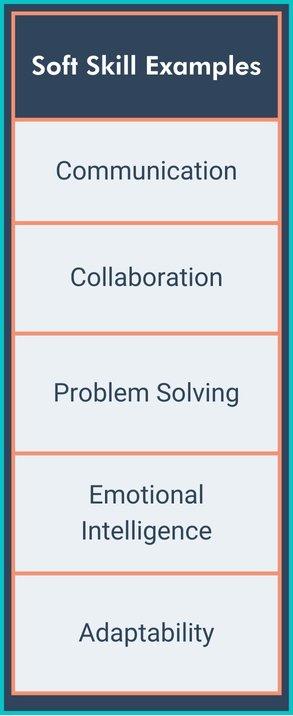
Soft Skills
- Collaboration: Working effectively with faculty, subject matter experts, administrators, and IT staff.
- Interaction: Explaining technical and design concepts to non-experts in clear, accessible language.
- Project Management: Handling multiple projects, meeting deadlines, and staying organized.
- Problem Solving: Adapting to new challenges,technologies,and educational trends.
- Adaptability: Keeping up with rapidly evolving edtech tools and educational standards.
Typical Roles and Job titles in Instructional Design
If you’re searching for instructional design jobs in education technology, look out for positions such as:
- Instructional Designer
- E-Learning Developer
- Curriculum Designer
- Learning Experience Designer
- Instructional Technologist
- Educational Technology Specialist
- Online Course Developer
- Media and Learning Design Specialist
- distance Education coordinator
these roles are in demand at universities, community colleges, K-12 school districts, educational non-profits, and corporate training organizations.
Benefits of an Instructional Design Career in Education Technology
Instructional design offers a rewarding and impactful career path for those interested in both technology and education.Key benefits include:
- Growing Job Market: As online and blended learning continue to expand, so does the demand for instructional designers in higher education and K-12 schools.
- Flexible Work Options: Many instructional design roles offer remote or hybrid working arrangements.
- opportunities for Advancement: With experience, you can move into senior or leadership roles such as director of Instructional Design or Chief Learning Officer.
- positive Impact: Your work directly enhances the learning experiences and outcomes of students and educators.
- Lifelong Learning: You’ll continually engage with new subjects, technologies, and pedagogical strategies.
How to Start Your Career as an instructional designer
If you are motivated to become an instructional designer in education technology, follow these steps to break into the field:
- Pursue Relevant Education: Most instructional designers hold a bachelor’s or master’s degree in instructional design, instructional technology, education, curriculum development, or related fields.
- Gain Experience: build a portfolio of sample learning projects, participate in volunteer opportunities, or contribute to open educational projects.
- learn the Tools: Familiarize yourself with major LMS platforms and course authoring tools by signing up for free trials or taking online tutorials.
- Certifications: Consider professional certifications in instructional design or educational technology to demonstrate expertise.
- Network: Join associations, attend educational technology conferences, or participate in online forums to connect with peers and potential employers.
- Apply for Entry-Level Roles: Look for positions such as instructional design assistant, curriculum developer, or LMS support to build your credentials and experience.
Practical Tips for Job Seekers in instructional Design
Landing your first (or next) instructional design job in education technology can be competitive, but these tips can give you an edge:
- Showcase Your portfolio: Include case studies, course samples, or multimedia projects on your professional website or LinkedIn profile.
- Highlight Technical and Pedagogical Skills: Tailor your resume to address both technology proficiency and understanding of learning theory.
- Stay Current: subscribe to edtech news and instructional design blogs, participate in webinars, and test out new tools regularly.
- Practice Interview Scenarios: Be ready to discuss how you would approach designing a course, assessing learning outcomes, or integrating new technologies.
Career Pathways and Advancement Opportunities
Instructional design is a dynamic field that offers a variety of advancement opportunities in both education and corporate settings:
- Senior Instructional Designer: Lead more complex projects, mentor junior designers, and set instructional standards.
- Educational Technology Manager: Oversee teams that implement and support educational technologies across an institution.
- director of Instructional design: Develop institutional strategies for online and blended learning, contribute to policy, and manage large-scale change initiatives.
- Consultant or Freelance Designer: Offer specialized services to educational institutions or edtech companies as a project-based expert.
Conclusion
Instructional design is an essential, ever-evolving career in education technology that combines creativity, technical savvy, and pedagogical expertise. As universities, colleges, and schools strive to provide high-quality digital learning, the role of instructional designers will only become more critical. Whether you’re seeking a new challenge, a way to make a positive impact, or opportunities in a future-proof field, instructional design offers numerous pathways for personal and professional growth. Start building your skills, network, and portfolio today—and take the next step toward a rewarding career shaping the future of education.