
What Is a Chief Learning Officer (CLO)? key Roles, Responsibilities & Skills Explained
As educational institutions rapidly adopt technology to enhance teaching, learning, and governance, new leadership roles are emerging to guide this evolution. Among these, the position of Chief Learning Officer (CLO) stands out as a pivotal role. If you are considering a career in education technology at universities, colleges, or schools and aspire to a senior leadership position, understanding the Chief Learning Officer’s responsibilities, skills, and benefits is key. This article offers a extensive guide for job seekers exploring the dynamic world of EdTech and the critical function of the Chief Learning Officer within it.
Understanding the Chief Learning Officer (CLO) Role
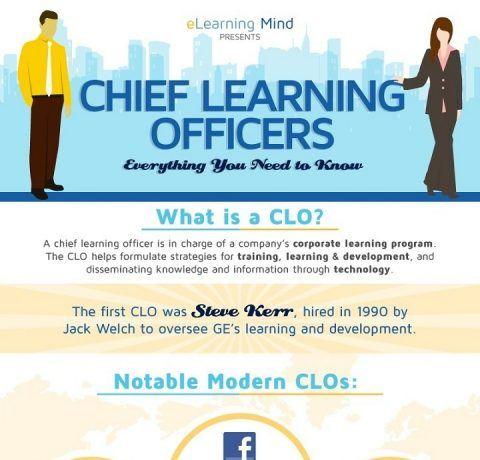
A Chief Learning Officer, commonly abbreviated as CLO, is the senior executive responsible for setting and implementing learning strategies within an organization. in educational settings like universities, colleges, and schools, the CLO bridges academic objectives, educational technology, and organizational goals. The CLO ensures that teaching methods, curricula, and tools leverage technology for better learning outcomes, staff development, and institutional success.
How the CLO Role Differs in Education vs.Corporate Settings
While the CLO role originated in the corporate world, its adoption in education has revolutionized EdTech management. Instead of focusing on employee training, CLOs in schools, colleges, and universities oversee:
- curriculum innovation through technology
- Faculty and staff digital upskilling
- Integrating educational software and platforms
- Data-driven strategies to enhance teaching effectiveness
- Alignment of institutional missions with modern learning approaches
Key Roles and Responsibilities of a Chief Learning Officer
The CLO acts as a visionary, strategist, and operational leader, steering a holistic approach to technology-integrated learning environments.
Main Responsibilities of a CLO in Education
- Learning Strategy Development: Designing and implementing comprehensive learning technology strategies that support academic and institutional objectives.
- EdTech Implementation: Leading the integration of new digital platforms, learning management systems (LMS), and pedagogical innovations.
- Faculty and Staff Development: Creating professional development programs to equip educators and staff with digital literacy and effective teaching tools.
- Curriculum Enhancement: Collaborating with academic leaders to infuse technology into curricula and assessment methods.
- Change Management: Building consensus and leading institutional change to foster a culture of technology adoption and ongoing improvement.
- Data Analysis and Evaluation: Using analytics to assess program effectiveness, student engagement, and learning outcomes, and making data-informed improvements.
- Compliance and Quality Assurance: Ensuring all digital learning initiatives meet educational standards, data privacy regulations, and accreditation requirements.
- Stakeholder Engagement: Communicating strategies and benefits to internal and external stakeholders,including executive leadership,faculty,students,and parents.
Essential Skills for Chief Learning Officers in EdTech
Pursuing a CLO role in educational technology demands a blend of leadership, technological, educational, and interpersonal competencies. Here are the top skills sought after by universities, colleges, and schools:
- leadership & Vision: Ability to inspire and guide diverse teams, set a strategic vision, and champion change.
- Educational Technology Expertise: In-depth understanding of e-learning platforms, LMS, AI-driven tools, and emerging EdTech trends.
- Pedagogical Knowledge: Familiarity with best practices in curriculum design,instructional strategies,assessment,and inclusive education.
- Data Literacy: Skill in collecting, analyzing, and interpreting educational data to inform decisions.
- Project Management: Proficiency in overseeing large-scale tech initiatives, budgeting, timeline management, and team coordination.
- Interaction: Strong verbal and written communication skills to articulate plans, gains buy-in, and resolve conflicts.
- Change Management: Competence in leading organizational change and training educators to embrace new technology.
- Collaboration: Ability to work across departments—IT,academic leadership,HR,and external partners.
- Problem-Solving: Aptitude for addressing challenges with creative and sustainable solutions.
Benefits of Having a CLO in Educational Institutions
For schools, colleges, and universities, appointing a Chief Learning Officer generates notable advantages. If you’re seeking a CLO role, understanding these benefits helps communicate your value during the job search and interview process.
- Enhanced Learning Outcomes: Effective use of edtech leads to improved student performance, engagement, and satisfaction.
- Institutional Innovation: CLOs drive innovation, keeping institutions competitive and adaptable in a rapidly changing landscape.
- Professional Growth for Staff: Continuous professional development opportunities increase faculty and staff retention, and morale.
- Resource Optimization: Strategic integration of technology maximizes investments and reduces redundancies.
- Data-Driven Decisions: Leveraging analytics leads to evidence-based improvements across all levels of the organization.
- Future-Proofing Education: CLOs help institutions anticipate trends and prepare for future challenges or opportunities.
Career Path: Qualifications and Progression for Aspiring CLOs
The Chief Learning Officer position is typically the culmination of a successful career in education,educational technology,or organizational leadership. here’s what hiring committees often seek:
Typical Qualifications
- Advanced degree in education technology, instructional design, curriculum development, or a related field (often a doctorate or master’s degree)
- Extensive experience in teaching, academic leadership, or EdTech project management
- Proven track record of leading technology-driven educational initiatives
- Relevant certifications (e.g., instructional technology, project management, change management)
- Excellent references and demonstrated leadership in cross-functional teams
Practical Tips for Landing a CLO Job
- Build a Diverse Skill Set: Combine your educational expertise with project management and technology skills—pursue ongoing professional learning.
- Network Strategically: Engage with EdTech professional associations, attend conferences, and participate in academic forums.
- Showcase Results: Document successful initiatives, especially those that integrated technology to drive measurable improvements.
- Emphasize Leadership: Highlight experience leading teams, facilitating change, and aligning stakeholders around a shared vision.
- Stay Current: Follow emerging trends in education technology and best practices for digital conversion in education.
- Create a Compelling Digital Presence: Update your CV, LinkedIn, and professional profiles to reflect your edtech achievements and leadership experiences.
Challenges Chief Learning Officers Face in Educational Settings
While the CLO role is rewarding, it comes with distinct challenges.Being aware of these obstacles helps you prepare for impactful leadership:
- Resistance to change: Institutional culture and tradition may slow the adoption of new technologies.
- Budget Constraints: Limited funding can make prioritizing EdTech investments challenging.
- Rapid Technology Evolution: Keeping up with constant changes in technology and aligning them with academic needs.
- Measuring Impact: Demonstrating return on investment and linking technology initiatives to improved learning outcomes.
- Ensuring Equity: Making sure that all learners and educators benefit equally from technological advancements.
Final Thoughts: Is the Chief Learning officer Career Right for You?
The role of Chief Learning Officer is an exciting opportunity for those passionate about educational transformation and technology.As a CLO, you’ll be at the forefront of redefining how technology shapes the future of learning in universities, colleges, and schools. The position offers a chance to leave a lasting impact on both organizational effectiveness and student success.
If you aspire to drive large-scale change, embrace cutting-edge EdTech, and inspire educational communities, preparing for a Chief Learning Officer role could be the next pivotal step in your career. Focus on building a blend of technical and leadership skills, seek out innovative projects, and position yourself as a forward-thinking educational leader—and you’ll be well on your way to making a difference as a CLO in the world of education technology.