
What Is a Chief Learning Officer (CLO)? Role, Responsibilities, and Impact Explained
The world of education technology is rapidly evolving, and universities, colleges, and schools are seeking forward-thinking leaders to shape the future of learning. One of the most dynamic and impactful educational roles today is that of the Chief Learning Officer (CLO). In this complete guide, we will explore what a Chief Learning Officer is, the core responsibilities, required skills, and the profound impact they have on academic institutions. If you’re a job seeker interested in making a difference in education technology, read on to uncover everything you need to know about becoming a CLO in higher education or K-12 settings.
What Is a Chief Learning Officer (CLO)?
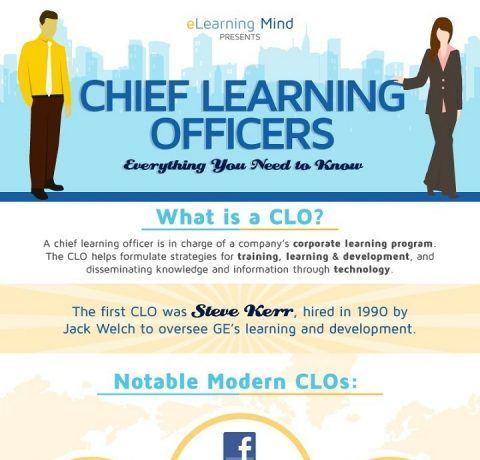
A Chief Learning Officer (CLO) is a senior executive responsible for driving the learning strategy and ensuring educational excellence within an institution. Traditionally seen in the corporate world, the CLO role has become increasingly essential in colleges, universities, and schools as digital transformation reshapes how knowledge is delivered and consumed.
The primary mission of a chief Learning Officer is to align educational programs,faculty growth,and technology initiatives with institutional goals. this dynamic position combines elements of leadership, strategy, education technology, and instructional design to foster an surroundings where innovative teaching and learning thrive.
Key Responsibilities of a Chief Learning Officer
The role of a CLO varies by organization, but core responsibilities include:
- Strategic Planning for Learning: Designing long-term plans that integrate emerging technologies and new pedagogical approaches with academic goals.
- Curriculum Innovation: Leading curricular reforms and introducing digital learning solutions to create engaging, effective, and inclusive learning environments.
- Faculty and Staff Development: Overseeing training and professional development programs to ensure educators and staff adapt to innovative learning technologies and methodologies.
- Technology Integration: Evaluating and implementing educational technology platforms, such as Learning Management Systems (LMS), adaptive learning tools, and virtual classrooms.
- data-Driven decision Making: Utilizing data analytics and learning analytics to assess outcomes, improve programs, and personalize educational experiences.
- Promoting a Culture of Continuous Learning: Fostering a learning culture among students, faculty, and staff, encouraging lifelong learning and ongoing professional development.
- Change Management: Guiding the institution through changes associated with technology adoption and modern learning practices.
- Stakeholder Engagement: Collaborating with academic deans,IT leaders,faculty,students,and external partners to achieve shared learning objectives.
- Assessment and Accreditation: Ensuring compliance with accreditation standards and demonstrating measurable improvements in learning outcomes.
Essential Skills and Qualifications for a Chief Learning Officer
Becoming a triumphant CLO in a university, college, or school requires a unique blend of skills. Here’s what most institutions look for:
- Educational Background: Advanced degree in education, instructional technology, curriculum development, or a related field.
- Leadership Experience: Proven track record in managing teams, leading large-scale initiatives, and driving organizational change.
- Educational Technology expertise: Deep understanding of edtech tools, digital content creation, and online learning platforms.
- Strategic and Analytical Thinking: Ability to develop strategies backed by research and data analytics.
- Project Management: Skill in overseeing complex projects, budgeting, and timeline management.
- excellent Communication: Strong written and verbal communication skills for presenting ideas and influencing stakeholders.
- Collaboration and Networking: Talent for building relationships across academic departments and with technology vendors.
The Impact of a Chief Learning Officer on Universities, Colleges, and Schools
Chief Learning Officers are key drivers of educational innovation. Their leadership has several far-reaching impacts on academic institutions:
- Improving Academic Excellence: By leveraging the latest learning technologies and pedagogical research, CLOs help improve student achievement and overall institutional performance.
- Boosting Student Engagement and Retention: Interactive and personalized learning experiences created under the CLO’s guidance can lead to greater student motivation and success.
- Streamlining Technology Adoption: CLOs ensure that new digital tools are integrated smoothly, benefiting both teachers and students with user-amiable solutions.
- Empowering Faculty Development: Ongoing professional development led by the CLO helps educators remain at the forefront of best teaching practices and emerging trends.
- Building a culture of Innovation: clos inspire a mindset that embraces change and continuous improvement, preparing institutions to stay competitive in a rapidly changing educational landscape.
Benefits of Pursuing a Chief Learning Officer Career in Education Technology
For job seekers passionate about education technology and digital transformation, the CLO position offers numerous advantages:
- Influential Leadership Role: Directly shape educational strategy and institutional success.
- Opportunity for Creativity: Drive curricular innovation and experiment with groundbreaking learning solutions.
- High Demand: Increasing reliance on edtech makes this role both in-demand and futureproof.
- Personal Fulfillment: Impact the educational journey of thousands of students, creating lasting positive change.
- Competitive Compensation: As a senior executive, the CLO position offers attractive salaries and benefits, especially in large universities and colleges.
how to Become a Chief Learning Officer: Practical Tips
Interested in pursuing a career as a Chief Learning Officer in the education sector? Here are actionable steps to help you advance:
- Build a Strong Educational Foundation: Pursue advanced degrees in education leadership, instructional design, or educational technology.
- Gain Hands-On Experience: Work in roles such as instructional designer, curriculum specialist, or director of eLearning to hone your skills.
- Stay Abreast of EdTech Trends: Regularly update your knowledge on the latest learning management systems, AI in education, and digital content development.
- Develop Leadership Abilities: Lead small projects, mentor colleagues, and look for opportunities to collaborate across departments.
- Network with Education Leaders: Join professional associations, attend edtech conferences, and participate in online forums to connect with peers and thought leaders.
- Master data Analytics: Familiarize yourself with educational data mining and analytics tools to support data-driven decisions.
- Demonstrate Vision and Strategy: Share your innovative ideas, contribute to strategic planning, and show an aptitude for driving transformation.
Frequently Asked Questions about Chief Learning Officers
Is a CLO the same as a Director of Learning or Instructional Technology?
While there is overlap, a CLO typically holds broader, institution-wide strategic responsibilities, whereas directors often focus on departmental oversight or specific initiatives.
What is the career path to becoming a CLO?
many CLOs begin in teaching, instructional design, or technology leadership, gradually moving into management and strategic roles as they gain experience.
Can a CLO work in both higher education and K-12 environments?
Yes, CLOs are increasingly valued in both sectors. The core competencies are similar, though specific challenges may vary between universities and schools.
Conclusion: Why the Chief Learning Officer Role Matters
As digital transformation accelerates in education, the Chief Learning Officer stands out as a pivotal leader who can elevate learning experiences, empower educators, and drive institutional success in colleges, universities, and schools. If you’re passionate about making a meaningful, long-lasting difference in education technology, the CLO role might potentially be your ideal career destination. By combining vision, strategic thinking, and expertise in edtech, you can help shape the future of learning for generations to come.