
What Is a Chief Learning Officer (CLO)? Role, Skills, and Career Guide
are you passionate about transforming education through technology? if you’re exploring a career in education technology at universities, colleges, or schools, you may have come across the influential role of a Chief Learning Officer (CLO). Growing in importance across higher education and K-12 institutions, the CLO role shapes learning strategies, bridges technology with pedagogy, and ensures meaningful student outcomes. In this comprehensive guide, we’ll explain what a Chief Learning Officer does, the key skills needed, typical responsibilities, career paths, benefits of becoming a CLO, and actionable tips for job seekers interested in EdTech leadership roles.
What Is a Chief Learning officer (CLO)?
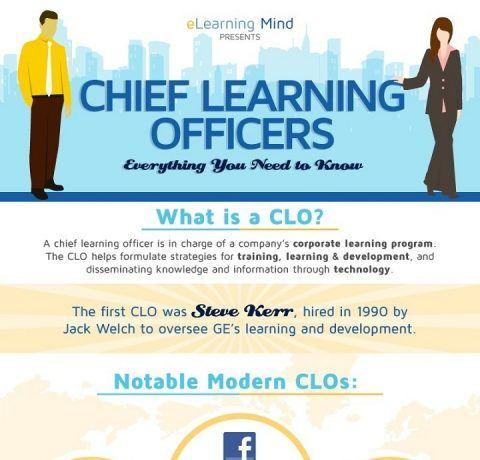
A Chief learning Officer (CLO) is a senior executive focused on driving an institution’s learning vision, strategy, and performance. traditionally found within corporate settings, the CLO position is increasingly vital within the education sector as digital change accelerates. In universities, colleges, and schools, the CLO leads curriculum innovation, fosters faculty development, and integrates educational technology to enhance teaching and learning experiences.
The chief learning officer collaborates with academic and administrative leaders, overseeing initiatives like learning management systems (LMS), online and blended learning programs, and professional development for educators. Their mission: to create engaging, inclusive, and effective learning environments that prepare students for the future.
Chief Learning Officer (CLO) Responsibilities
The scope of a CLO’s responsibilities can vary depending on the institution’s size and priorities, but common duties typically include:
- Developing Learning Strategies: Design and implement comprehensive learning strategies aligned with institutional goals and educational technology innovations.
- Overseeing Curriculum development: Collaborate with faculty to integrate digital tools and resources that improve instructional quality and student engagement.
- Managing Educational Technology: Evaluate, select, and deploy learning management systems (LMS), virtual learning platforms, and digital content solutions.
- Promoting Professional Development: lead faculty development initiatives to foster digital literacy and effective teaching practices in technology-enhanced environments.
- Data-Driven Decision-Making: Analyze learning data and metrics to assess teaching effectiveness, student success, and areas for improvement.
- Ensuring Compliance and Accessibility: Ensure that digital learning tools and content comply with relevant accessibility, privacy, and accreditation standards.
- Fostering a Culture of Continuous learning: Create an institutional culture that values innovation, feedback, and lifelong learning for both educators and students.
Key Skills and Qualifications for a Chief Learning Officer
Becoming a successful Chief Learning Officer in education technology requires a blend of academic expertise, leadership, and technical no-how. Here are the essential skills and qualifications:
1. Educational Background
- Most CLOs hold an advanced degree, such as a master’s or doctorate in education, instructional design, learning sciences, or related fields.
- Experience in teaching, academic administration, or curriculum development is highly valued.
2.Leadership and Strategic Vision
- Demonstrated leadership in managing interdisciplinary teams, cross-functional projects, or large-scale initiatives in educational settings.
- Ability to create and execute a strategic learning agenda aligned with institutional and EdTech trends.
3. EdTech Expertise
- Practical knowledge of learning management systems (LMS), digital assessment tools, and e-learning platforms.
- Keen awareness of emerging technologies like AI in education, AR/VR, adaptive learning, and data analytics.
4. Change Management
- Skill in leading digital transformation and managing change among educators, administrators, and students.
- Experience in overcoming resistance, championing innovation, and fostering buy-in for technology adoption.
5. Interaction and Collaboration
- strong communication and presentation skills for engaging stakeholders at all levels, including faculty, staff, students, and executive leadership.
- Ability to build partnerships with EdTech vendors and external organizations.
6. Analytical and Problem-Solving Abilities
- Competence in data analysis, assessment of learning outcomes, and optimization of technology implementation.
- Critical thinking to address educational challenges creatively and strategically.
Career Pathways to Becoming a CLO in education
If you are interested in rising to the role of Chief Learning officer within a school, college, or university, here’s how many professionals build their careers:
- start in Education or Instructional Design: Many CLOs begin as teachers, instructional designers, or education technologists, gaining hands-on classroom and edtech experience.
- Pursue Advanced Education: Earning an advanced degree (e.g., Ed.D., Ph.D., M.Ed.) can give you the pedagogical and research foundation needed for senior roles.
- Lead Projects or Teams: Taking on leadership roles such as curriculum coordinator, technology integration specialist, or director of e-learning provides crucial experience.
- Develop EdTech Expertise: Build a deep understanding of current and emerging educational technologies by seeking certifications and ongoing professional development.
- Network in the EdTech Space: Attend conferences, participate in professional associations, and connect with leaders in the academic technology sector.
Benefits of Being a Chief Learning Officer in Education
Pursuing a leadership role like CLO in educational technology offers notable rewards, personally and professionally:
- High Impact: Influence institutional strategy, student success, and the evolution of teaching and learning through technology.
- Job Security and Growth: As digital transformation in education accelerates, demand for senior EdTech leaders continues to grow.
- Collaboration and Innovation: Work with talented educators, technologists, and innovators to solve real-world educational challenges.
- Professional Recognition: Establish yourself as a thought leader in instructional innovation and digital learning strategy.
- Personal Growth: Continuous learning and staying at the forefront of emerging educational technologies.
- Competitive Compensation: CLOs at large institutions frequently enough command higher salaries and attractive benefits packages.
Practical Tips for Job Seekers: Landing a CLO role in EdTech
If your goal is to advance towards a Chief Learning Officer role at a university, college, or school, follow these actionable tips:
- Deepen Your EdTech Knowledge: Stay updated on the latest trends in educational technology, digital pedagogy, and data-driven instruction. Engage in webinars, online courses, and industry events related to EdTech.
- Showcase leadership Experience: Clearly articulate your leadership in cross-functional projects, initiatives, and successful EdTech implementations in your resume and interviews.
- Strengthen Communication skills: Develop your ability to communicate vision, strategy, and measurable outcomes to diverse audiences.
- focus on Measurable Impact: Highlight case studies or examples where your work has led to improved learning outcomes or significant process enhancements.
- Build a Professional Portfolio: Curate evidence of your achievements—such as digital transformation initiatives, published research, or conference presentations—to showcase your expertise to potential employers.
- Network Strategically: Connect with CLOs, EdTech leaders, and professional organizations in education technology. networking is essential for learning about unadvertised jobs and best practices in the field.
- Pursue Certifications: Consider acquiring certifications in instructional design, project management, or EdTech leadership to strengthen your credentials.
- Stay Flexible and Open-Minded: The landscape of educational technology is always changing. Demonstrate adaptability and a willingness to lead through ambiguity and disruption.
Conclusion: Chief learning Officer—A Transformational Role in Modern Education
The Chief Learning Officer (CLO) serves as a key architect of learning innovation and digital transformation at universities, colleges, and schools. As educational technology continues to redefine how knowledge is delivered and experienced, demand for visionary EdTech leaders is at an all-time high. By blending advanced educational expertise, technological savvy, and strategic leadership, today’s CLOs are shaping the future of teaching and learning.
If you are determined to make a significant impact in education and possess a passion for leveraging technology, pursuing a career as a CLO in education technology could be your next career-defining move. With the right experience,skills,and commitment to lifelong learning,you can help institutions excel in the digital age—and empower the next generation of learners.