
What Is a Learning Architect? Key Roles, Skills, and Career Guide
Introduction: The Rise of Learning architects in EdTech
As educational technology (EdTech) transforms how universities, colleges, and schools deliver learning, a new and exciting role has emerged: the Learning architect. If you’re passionate about education and technology and enjoy designing powerful learning experiences, exploring a career as a Learning Architect might be your perfect fit. This comprehensive guide explains what a Learning Architect is, their key responsibilities, essential skills, career pathways, and practical advice to help you succeed in the dynamic field of EdTech.
What Does a Learning Architect Do?
A Learning Architect is a professional who designs, develops, and implements effective educational programs using digital tools and pedagogical theories. Their primary goal is to create engaging and impactful learning experiences for students by blending technology with evidence-based instructional strategies. Working closely with faculty, instructional designers, technologists, and administrators, Learning Architects ensure that curricula and digital platforms align to support institutional goals and learner needs.
Core Responsibilities of a Learning Architect
- Designing and mapping curriculum frameworks that integrate educational technology
- Collaborating with educators to structure courses for in-person, blended, or fully online delivery
- Evaluating and selecting digital learning tools and platforms that enhance student engagement
- Applying learning sciences and pedagogical best practices to instructional design
- Conducting needs assessments to identify learning gaps and recommend solutions
- Ensuring compliance with educational standards, accessibility, and inclusivity
- Training faculty and staff on new learning systems and methodologies
- Analyzing data on learner performance to optimize courses and technologies
In essence, Learning Architects act as the strategic “blueprint designers” of the educational experience in schools, colleges, and universities, ensuring technology enriches, not detracts from, learning objectives.
Key Skills and Competencies for Learning Architects
The most successful Learning Architects bring together a diverse blend of skills ranging from instructional design to project management and technical expertise. If you are considering this occupation, developing the following skills will increase your chances of landing a top EdTech job in higher education or K-12 settings:
Essential Technical Skills
- Familiarity with Learning Management Systems (LMS) such as canvas, Blackboard, or Moodle
- Working knowledge of eLearning authoring tools (Articulate Storyline, Adobe Captivate, etc.)
- Understanding of user experience (UX) and user interface (UI) design principles
- Data analysis skills to interpret learning analytics and improve course outcomes
- Proficiency with educational technology trends (AR/VR, adaptive learning, AI in education)
Critical Soft Skills
- Strong dialog and collaboration abilities
- Problem-solving mindset and adaptability
- Empathy for diverse learner needs and perspectives
- Creativity in designing engaging learning environments
- Project management and time management skills
educational Background
While requirements vary, most universities and colleges seek Learning Architects with the following qualifications:
- bachelor’s or Master’s degree in Education, Instructional Design, Educational Technology, or related field
- Relevant certifications (e.g., Certified Instructional Designer/Developer, ATD, or ISTE credentials)
- Experience in teaching, training, or curriculum growth is highly valued
Step-by-Step Career Guide: Becoming a Learning Architect
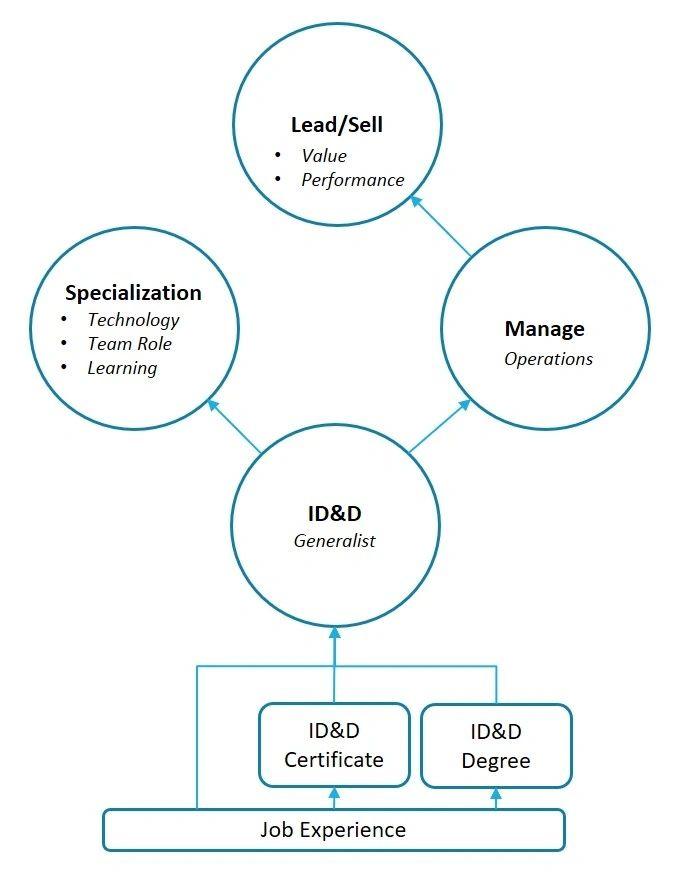
Pursuing a Learning Architect career in education technology involves a blend of academic preparation, professional experience, and continual development. Here’s a practical roadmap to help you get started:
- Build a Strong Educational Foundation: Obtain a degree in education, instructional design, or EdTech.Consider minors or electives in psychology, computer science, or design.
- Develop Core Skills: Gain proficiency with learning technologies and authoring tools. Stay current with EdTech trends by attending webinars and workshops.
- Gain Practical Experience: Volunteer or intern at universities, colleges, or schools. Take on roles related to instructional design, eLearning development, or technology integration.
- Network with EdTech Professionals: Join educational technology associations and attend industry conferences for valuable insights and job leads.
- Create a Strong Portfolio: Showcase your curricular designs, digital learning projects, and case studies that illustrate your approach to learning architecture.
- Pursue Certifications: consider additional credentials to demonstrate your expertise to potential employers.
- Apply for Learning Architect positions: Target job openings in public and private universities, community colleges, K-12 schools, and EdTech companies.
Benefits of Becoming a Learning Architect in Education Technology
Choosing a career as a Learning Architect offers several benefits and strong long-term potential, especially as educational institutions accelerate digital transformation:
- High Market Demand: the ongoing shift to blended and online learning means skilled Learning Architects are sought after in schools, colleges, and universities.
- Impactful Work: Directly enhance educational quality by designing learning environments that foster student success and equity.
- Professional Growth: Opportunities to lead innovative projects and keep pace with quickly evolving technology trends.
- Collaborative Environment: Work alongside educators, administrators, IT staff, and students to achieve shared institutional goals.
- Competitive Salaries and benefits: Compensation levels are generally high relative to other education technology roles, especially for those with advanced degrees and certifications.
- Job Adaptability: Many institutions offer options for hybrid or remote working arrangements in EdTech-related positions.
Practical Tips for Landing Your Next Education Technology job as a Learning Architect
if you’re ready to launch or advance your career as a Learning Architect, here are practical steps to increase your hiring potential at universities, colleges, or schools:
- Showcase Your Experience: Highlight projects where you’ve improved learning outcomes using technology. Include quantifiable achievements in your CV and cover letter.
- Highlight Tech Proficiency: Demonstrate your expertise with popular learning management systems and digital authoring tools, both in interviews and your portfolio.
- Stay Informed: Regularly follow EdTech news, read academic journals, and participate in online forums to stay current on emerging trends.
- Build Your Professional Brand: Share insights on social media, contribute to educational blogs, and engage with EdTech communities to increase your visibility.
- Customize Each Request: Tailor your resume and cover letter to highlight experiences and skills most relevant to the job’s requirements.
- Leverage Informational Interviews: Connect with current Learning Architects and instructional designers.Ask about their career paths and practical advice for breaking into the field.
Typical Work Environment and Career Outlook
Learning Architects enjoy dynamic, cross-functional roles in various workplace settings:
- Universities and Colleges: Collaborate with faculty and students to modernize curricula and support digital transformation strategies.
- K-12 Schools and Districts: Help administrators and teachers integrate educational technology for younger learners.
- EdTech Companies: Design learning content and solutions for a broad range of educational clients.
The Bureau of Labor Statistics predicts continued growth for instructional coordinators and related edtech roles. As institutions invest in digital learning and remote education, demand for Learning Architects is expected to rise—making this a future-proof and rewarding career choice.
Conclusion: Is a Learning Architect Career Right for You?
The role of a Learning Architect sits at the intersection of education, technology, and design—enabling you to make a meaningful impact on how knowledge is delivered and experienced. Whether you’re passionate about improving student engagement, integrating the latest EdTech innovations, or leading curriculum transformation across universities, colleges, or schools, this role offers dynamic opportunities for growth and advancement. By strengthening your skills, building a robust portfolio, and staying engaged with the education technology community, you can carve out a rewarding career as a Learning Architect and help shape the future of education.
Ready to begin your journey in EdTech? Start by honing your skills, building connections, and sharing your passion for innovative learning design. The world of education needs talented Learning Architects now more than ever.