
What Is a Learning Architect? Key Roles,Skills,and Career Path Explained
Introduction
If you are passionate about education technology and aspire to shape the future of learning,a career as a Learning Architect might be perfect for you. As digital transformation accelerates across universities, colleges, and schools, the demand for skilled professionals who can design effective, scalable, and engaging learning experiences is rapidly increasing. In this comprehensive guide, we will explain what a Learning Architect is, their main responsibilities, must-have skills, and the typical career path. Whether you’re exploring career growth in edtech or looking to transition into this dynamic role, you’ll find valuable insights to help you succeed.
What Is a Learning Architect?
A Learning Architect is an education technology professional specializing in designing, developing, and managing comprehensive learning systems, experiences, and environments. Working in universities, colleges, and schools, these experts bridge the gap between instructional design, technology integration, curriculum development, and organizational strategy. A Learning Architect plays a vital role in redefining how educators teach and how students learn, utilizing innovative technologies and evidence-based methodologies.
Key Roles and Responsibilities of a Learning Architect
The role of a Learning Architect encompasses a wide range of strategic and practical responsibilities. Some of the core duties include:
- Curriculum Mapping and Integration: Designing and aligning comprehensive curriculum frameworks that blend traditional and digital learning models.
- Instructional Design: Developing engaging, learner-centered instructional materials and activities that leverage the latest technologies and pedagogical best practices.
- Technology Implementation: Selecting, evaluating, and deploying learning management systems (LMS), classroom technology, and multimedia tools to enhance teaching and learning.
- Data-Informed Decision Making: Collecting and analyzing learner data to refine instructional strategies and improve educational outcomes.
- Faculty and Staff Training: Providing professional development to educators and administrators to ensure smooth adoption of technology and new instructional methodologies.
- Project Leadership: Leading cross-functional teams, managing timelines and budgets, and ensuring project alignment with organizational goals.
- Continuous Enhancement: evaluating academic programs and digital experiences, recommending improvements based on feedback and emerging trends in education technology.
Essential skills for Success as a Learning Architect
To thrive in a Learning Architect job at a university, college, or school, you will need a blend of technical, educational, and interpersonal skills.The moast valuable competencies include:
- Instructional Design Expertise: In-depth knowledge of instructional design models such as ADDIE, SAM, or Backward Design.
- Technical Proficiency: Experience with learning management systems (like canvas, Moodle, Blackboard), authoring tools (Articulate Storyline, Adobe Captivate), and multimedia content creation.
- Educational Theory: Understanding of adult learning principles, pedagogy, and andragogy.
- Project Management: Ability to manage multiple projects, set priorities, and deliver results on time and within budget.
- Analytical Skills: Comfort with data analytics, assessment tools, and evaluating learner outcomes quantitatively and qualitatively.
- Communication and Collaboration: Strong written and verbal communication skills to work effectively with educators, administrators, IT professionals, and students.
- Change Management: Skills in leading organizational change, including training, support, and stakeholder engagement.
- Creativity and Innovation: A willingness to experiment with new approaches and adapt quickly to technological advances.
Typical Career Path for a learning Architect
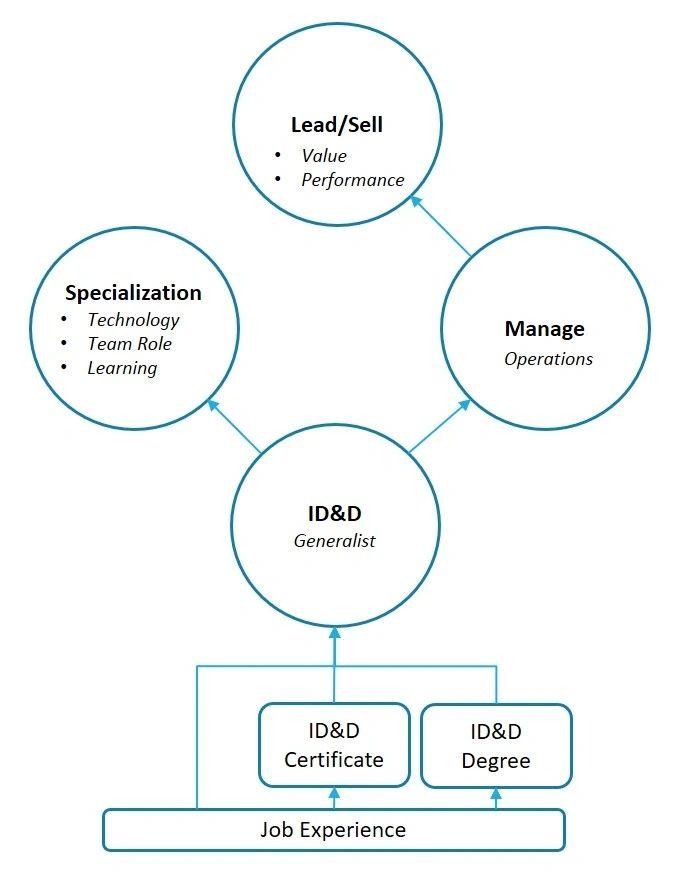
many Learning Architects begin their careers in education or instructional design roles before moving into positions with greater strategic and technological focus. Below is a typical career trajectory:
- Entry-Level (Instructional Technologist,eLearning Developer,Curriculum Designer): Focused on creating lesson plans and digital learning resources.
- Mid-Level (Instructional Designer, Learning Experience Designer): Responsible for designing entire courses, integrating new technology, and collaborating with subject matter experts.
- Senior-Level (Learning Architect, Digital Learning Strategist): Leads large-scale curriculum transformation projects, oversees technology adoption, and aligns learning initiatives with institutional objectives.
- Executive-Level (director of Learning Innovation, Chief Learning Officer): Shapes organizational learning strategy, policy, and vision at the highest level.
Many Learning architects hold advanced degrees in education, instructional design, education technology, or related fields. Certifications in project management, eLearning development, or specific platforms (like Google for Education or Microsoft Certified Educator) can further enhance your career prospects.
Benefits of a Learning Architect Career
Pursuing a job as a Learning Architect offers numerous professional and personal advantages:
- High demand: As digital transformation accelerates in education, skilled Learning Architects are increasingly sought after by universities, colleges, and schools.
- Impactful Work: Influence how learning happens, making a measurable difference in student success and faculty effectiveness.
- Opportunities for Innovation: Work at the intersection of education, technology, and design to pioneer new teaching models and tools.
- Professional Growth: Continuous learning and hands-on experience with cutting-edge technologies enhance your career trajectory.
- Collaborative Habitat: Engage with diverse teams, shaping the institutional learning ecosystem from the ground up.
How to Become a Learning Architect: Practical Tips
If you are aiming to secure a Learning Architect position in higher education or within K-12 environments, consider the following actionable steps:
- Build a Strong Educational Foundation: Earn a degree in education technology, instructional design, or a related field.
- Gain Relevant Experience: Start with roles in instructional design,curriculum development,or educational technology to understand the landscape.
- Develop Technical Skills: familiarize yourself with various learning management systems, eLearning authoring tools, and analytics platforms.
- Stay Updated: Keep abreast of the latest trends in digital learning, educational software, and pedagogical research.
- pursue Certifications: Obtain credentials that demonstrate your expertise in relevant technologies or methodologies.
- Create a Portfolio: Showcase your instructional designs, online courses, technology integration projects, and impact on learning outcomes.
- Network Actively: Join professional associations such as the International Society for Technology in Education (ISTE) to connect with peers and stay informed about job openings.
- Demonstrate Leadership: Volunteer to lead pilot projects, contribute to digital strategy discussions, or mentor colleagues in new technologies.
Conclusion
The evolving landscape of education technology has created exciting opportunities for individuals with a passion for learning, technology, and innovation. As a Learning Architect, you can play a central role in transforming how knowledge is delivered and experienced at universities, colleges, and schools. By mastering the necessary skills, understanding the diverse responsibilities, and charting a clear career path, you can position yourself as an invaluable leader in education. If you’re ready to embark on a fulfilling and future-focused career, consider pursuing the path of a Learning Architect in the ever-expanding field of education technology.