
What Is a Learning Architect? Role, Responsibilities, and Career Path Explained
As universities, colleges, and schools continue to invest in education technology, the demand for skilled professionals who can design transformative learning experiences is soaring. One of the most innovative and impactful roles in this space is that of the Learning Architect. If you’re passionate about shaping the future of education and want to understand what a Learning Architect does, their core responsibilities, and how to pursue this dynamic career, this comprehensive guide is tailored for you.
Introduction: The Rise of EdTech and the Learning Architect Role
Education technology, or EdTech, has revolutionized how knowledge is delivered and consumed. From blended classrooms to fully online degree programs, the need for expertly designed learning environments is greater than ever. Here, the Learning Architect plays a pivotal role—strategically designing, developing, and optimizing educational experiences using technology.But what exactly does this role entail, and how can you embark on a career as a Learning Architect at a university, college, or school?
What Is a Learning Architect?
A Learning Architect is a specialized education technology professional who designs the structure, flow, and digital components of a learning environment or instructional program. Think of them as the “architects” of educational experiences—integrating pedagogical theory, curriculum standards, technology tools, and interactive elements to maximize student learning and engagement.
- Job Title: Learning architect
- industries: Higher Education, K-12 Schools, Online Learning Providers, Corporate Training Departments
- Related Roles: Instructional Designer, Curriculum Developer, eLearning Specialist
Key Responsibilities of a Learning Architect
The role of a Learning Architect varies by institution, but generally involves working at the intersection of education, design, and technology. Below are the core responsibilities in most education settings:
1. Designing Learning Experiences
- Developing overall course frameworks and learning journeys for students
- Mapping learning objectives to outcomes using evidence-based instructional strategies
- Planning effective use of technology for blended or online learning environments
2. Curriculum Advancement & Integration
- collaborating with faculty to translate subject matter into engaging digital formats
- Aligning curriculum content with accreditation and institutional standards
- Integrating multimedia, assessment tools, and adaptive learning technologies
3. Technology Evaluation and Implementation
- Assessing instructional technologies (like LMS platforms, apps, and interactive tools)
- Recommending and implementing digital solutions to enhance teaching and learning
- Staying up-to-date with trends in EdTech and incorporating innovative tools
4. Project Management
- Leading or contributing to multidisciplinary teams, including educators, IT professionals, and designers
- managing timelines, budgets, and resources for learning design projects
- Ensuring accessibility and inclusivity in all learning experiences
5. Evaluation & Continuous enhancement
- collecting and analyzing data on learner engagement and outcomes
- Iterating course design based on feedback and performance metrics
- Piloting and scaling new instructional models or tools
Core Skills and Qualifications of a Learning Architect
To succeed in an education technology role such as a Learning Architect, you’ll need a blend of pedagogical knowledge, technical acumen, and project management skills. Here are the most sought-after competencies:
- Instructional Design Principles – Understanding learning theory and instructional methodologies like ADDIE, SAM, or UDL.
- Technology Proficiency – Skill with Learning Management Systems (e.g., Moodle, Canvas, blackboard), authoring tools (e.g., Articulate Storyline, Captivate), and emerging EdTech platforms.
- Collaboration & Interaction – Ability to work with diverse stakeholders, from faculty and administrators to IT and media teams.
- Data analysis – Experience with assessment tools and analyzing learning analytics to inform design improvements.
- Creativity & Problem-Solving – Innovative thinking to design engaging, student-centered experiences, and adapt to challenges.
- Project Management – Organizing complex projects, managing workflows, and leading teams to deliver on-time and within budget.
benefits of Being a Learning Architect
The role of Learning Architect is both professionally and personally rewarding. Here are some unique benefits:
- Impact on Student Success: Directly influence educational outcomes and experiences for diverse learners.
- Innovation & Creativity: Opportunities to shape the future of education by implementing cutting-edge technology and pedagogical models.
- dynamic Career Environment: Work in varied settings, from universities and K-12 schools to consulting firms and edtech companies.
- Professional Growth: Continuous learning as the field evolves rapidly, with access to workshops, conferences, and training.
- Job Security: High demand for experts in education technology as institutions invest in digital transformation.
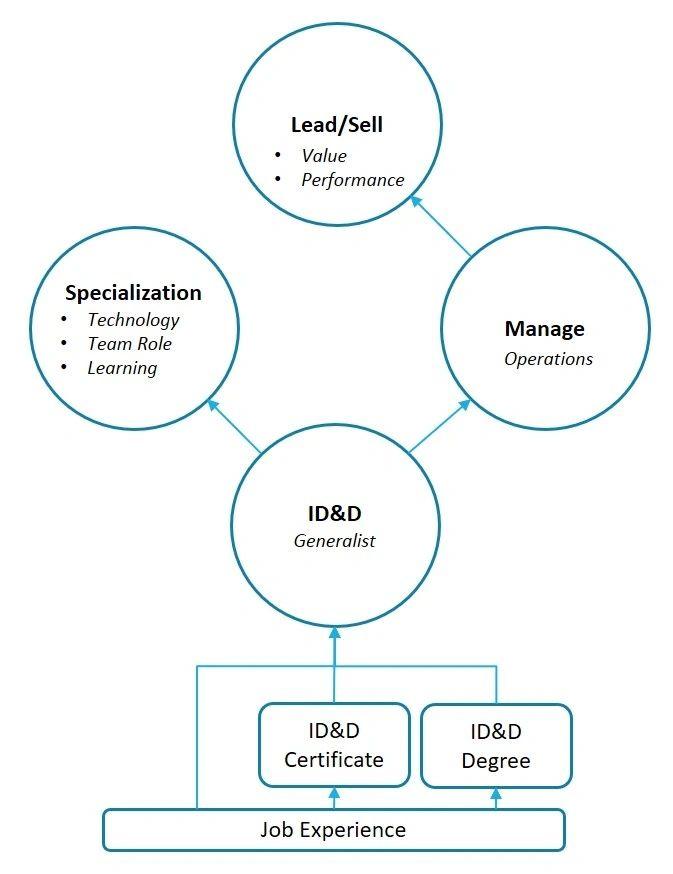
Typical Career Path: How to Become a Learning Architect
While there’s no single path to becoming a Learning Architect, here’s a blueprint to guide your journey:
1. Educational Background
- Bachelor’s degree in Education, Instructional Design, educational Technology, or a related field
- Master’s degree is often preferred, especially for university or college positions
- Professional development courses or certifications in instructional design or learning technologies provide an added advantage
2. Gain Experience
- Start as a teacher, instructional designer, learning technologist, or similar roles
- Participate in curriculum development or eLearning projects
- Build a strong portfolio showcasing your work with digital learning experiences
3. Develop Specialized Skills
- Master key authoring tools and learning management systems
- stay updated on educational best practices, compliance, and accessibility standards
- Network within the EdTech community; attend workshops, webinars, and conferences
4. Advance in Your Career
- Apply for Learning Architect or similar roles at universities,colleges,or schools
- consider further specialization,such as gamification,learning analytics,or adaptive learning design
- Progress to leadership positions like Director of Learning Experience,Chief Learning Officer,or EdTech Consultant
Where Do Learning Architects Work?
Learning Architects can be found in varied educational environments:
- Universities & Colleges: Designing courses,degree programs,and professional development tracks
- K-12 Schools: Integrating EdTech and personalized learning strategies for younger students
- Online Learning Providers: Building fully digital curricula and certification programs
- Education Technology Companies: Consult on product development and instructional design for educational software
salary Expectations & Job Outlook
Salaries for Learning Architects vary depending on the institution,level of education,and region. However, these roles are well-compensated within the education sector, reflecting their specialized skillset and the increasing institutional investment in education technology.
- Entry-level: $55,000 – $70,000 annually (varies by region and education level)
- Mid-career: $70,000 – $95,000
- Senior/lead Architect: $95,000 – $120,000+
The job outlook for Learning Architects is robust, as universities and schools expand digital learning infrastructure and demand for innovative online and hybrid learning continues to grow.
Practical Tips for Aspiring Learning Architects
If you’re interested in breaking into education technology as a Learning Architect, here are some actionable tips to help you stand out:
- Create a Digital Portfolio: Showcase sample course designs, eLearning assets, or interactive modules you’ve created.
- Keep Learning: Pursue online courses in instructional design, UX for learning, and new EdTech tools.
- Connect with Peers: Join professional associations like the Association for Educational Communications and Technology (AECT) or the International Society for Technology in Education (ISTE).
- Volunteer: participate in school or community education initiatives to gain hands-on experience and build your resume.
- Stay curious: Explore new trends like artificial intelligence in education, immersive learning, or micro-credentials.
Conclusion: Is a Learning Architect Career Right for You?
Pursuing a career as a Learning Architect places you at the forefront of educational innovation, offering the chance to blend creativity, technology, and pedagogy to shape meaningful learning experiences. Whether you’re transitioning from teaching, instructional design, or another role in education technology, becoming a Learning Architect opens doors to impactful work and diverse career opportunities at universities, colleges, and schools. Start building your skills, network with fellow professionals, and take that next step toward transforming how learners engage and succeed in the digital age.