
What is a Learning Architect? role, Responsibilities & Career Path Explained
As education technology continues to reshape classrooms and campuses worldwide, one role has emerged as both innovative and essential: the Learning Architect. For those exploring opportunities in edtech, understanding what a Learning Architect does, thier responsibilities, and the career path they can expect is the first step towards a rewarding and impactful career in universities, colleges, and schools. This article comprehensively explains the Learning Architect role, highlighting its significance in the modern education sector and offering valuable tips for aspiring candidates.
Introduction to the Learning Architect Role
The term “Learning Architect” might sound new to some, but this role is becoming increasingly vital in educational institutions eager to leverage technology for effective teaching and learning experiences. A learning Architect serves as a bridge between academic goals and technological solutions, designing engaging, accessible, and scalable learning environments that cater to diverse student needs.
What is a Learning Architect?
Simply put, a Learning Architect is a professional who designs, develops, and implements educational frameworks using technology. In universities, colleges, or schools, Learning Architects work closely with faculty, instructional designers, IT teams, and academic leadership to construct dynamic learning ecosystems—whether for blended, online, or hybrid formats.
Their work goes far beyond selecting educational platforms; Learning Architects integrate learning theory, pedagogical best practices, curriculum design, and emerging technologies to craft meaningful and effective educational experiences.
Key Responsibilities of a Learning Architect
The daily duties of a Learning Architect in an academic setting are both varied and impactful. If you’re considering this edtech career, here are the core responsibilities you can expect:
- Curriculum Design: Collaborate with subject matter experts to architect technology-enhanced curricula and course structures.
- Instructional Strategy: Develop instructional models, frameworks, and digital learning paths that align with learning objectives.
- technology Integration: Select and implement learning management systems (LMS), authoring tools, and emerging educational tech solutions.
- Quality Assurance: Evaluate and ensure the accessibility, user experience, and effectiveness of digital learning resources.
- Faculty Progress: Train and support instructors in adopting and applying best practices in digital pedagogy.
- assessment Methods: Design analytics-driven assessment strategies to measure learning outcomes and inform continuous improvement.
- Project Management: oversee EdTech projects, from conception to deployment, ensuring they meet timelines and budget constraints.
- Research & Innovation: Stay current with emerging EdTech trends and evaluate innovative tools that can enhance learning.
Core Skills and Qualifications
Institutions seeking to hire Learning Architects prioritize candidates with a rich blend of technical know-how, pedagogical expertise, and strong interpersonal skills. Some essential qualifications and skills for aspiring Learning Architects include:
- Educational background: A bachelor’s or master’s degree in education, instructional design, educational technology, or related fields.
- Instructional design expertise: Proficiency in curriculum development and learning theory (such as ADDIE,SAM,or Worldwide Design for Learning).
- Technical skills: Experience with LMS platforms (e.g., Canvas, Moodle, Blackboard), authoring tools (Articulate, Adobe Captivate), and collaboration technologies.
- Analytical and assessment skills: Ability to develop data-driven assessments and interpret analytics for continuous course enhancement.
- Project management capability: familiarity with Agile or other project management methodologies to manage multidimensional, institution-wide projects.
- Excellent dialogue: Strong ability to articulate complex concepts to non-technical stakeholders, and work collaboratively in cross-functional teams.
Typical Career Path of a Learning Architect
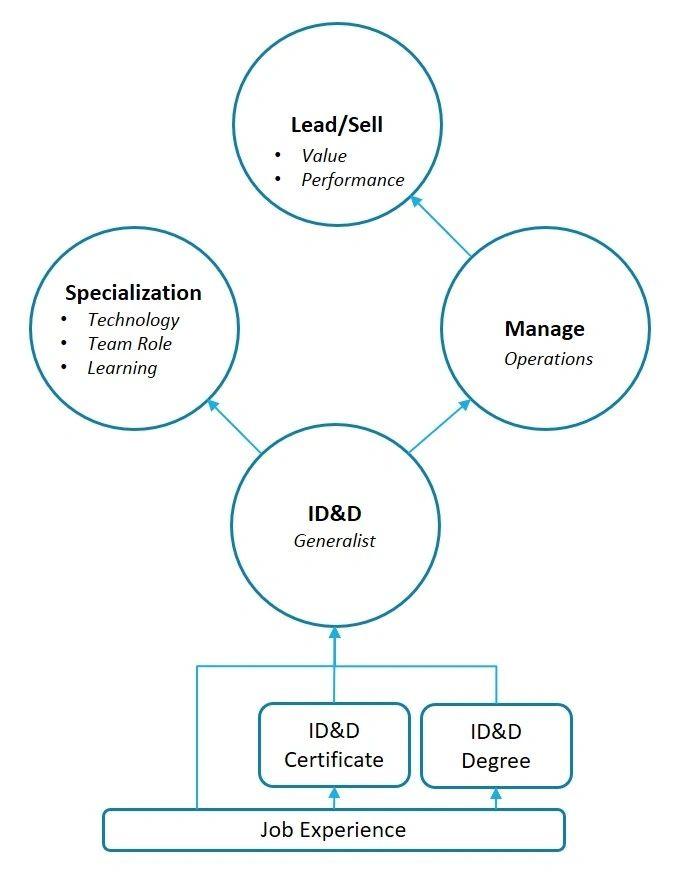
The Learning Architect role sits at the intersection of education, technology, and instructional strategy—making it an attractive next step for seasoned educators, instructional designers, or EdTech professionals. Here’s a common career trajectory:
- Instructional Designer or E-Learning Developer: Many Learning Architects begin their journey crafting and implementing interactive courses and resources.
- Curriculum Specialist or Educational Technologist: Gaining expertise in curriculum design and technology integration prepares professionals for a more strategic, architectural role.
- Learning Architect: After building a solid foundation, taking on the Learning Architect title involves advanced responsibilities in designing entire learning ecosystems for an institution.
- Senior or Lead Learning Architect: As experience deepens,some progress to senior leadership,overseeing teams,and driving institutional EdTech strategy.
- Director of Learning Innovation or Chief Learning Officer: The ultimate step for many is leading innovation and conversion across a university, college, or educational network.
Benefits of Becoming a Learning Architect
Beyond the rewarding nature of shaping how students learn, being a Learning Architect offers several unique perks:
- Impactful Work: Directly influence the quality of education and student success through innovative solutions.
- Career Growth: High demand for skilled Learning Architects in schools, colleges, and universities nationally and globally.
- Continual Learning: Opportunities for professional development as technology and pedagogy evolve.
- collaborative Environment: Work across diverse teams, contributing to meaningful, mission-driven projects.
- Job Versatility: Many positions offer flexible work arrangements, including hybrid and remote opportunities.
Practical Tips for Aspiring Learning Architects
Breaking into a Learning Architect position in higher education or K-12 requires a combination of preparation, practical experience, and visible expertise. Consider these strategies:
- build a Portfolio: Create a digital portfolio showcasing curriculum designs, courseware, and sample projects that highlight both instructional and technical skills.
- Pursue Certifications: Credentials in instructional design, learning management systems, or EdTech platforms can set you apart.
- Network within EdTech: Join professional associations, attend conferences, and contribute to online forums to gain insights and make valuable connections.
- Stay Up-to-Date: Read industry publications, participate in webinars, and experiment with the latest tools to remain competitive.
- Volunteer or Freelance: Offer to help design courses, workshops, or training modules for local schools or non-profits to gain hands-on experience.
Essential Keywords for Your Learning Architect Resume
When applying for a Learning Architect job at a university, college, or school, integrating relevant keywords can boost your resume visibility to recruiters and HR software. Here are some to consider:
- Learning Architect
- Instructional Design
- Curriculum Development
- learning Management System (LMS)
- Blended and Online Learning
- Educational Technology
- Digital Pedagogy
- Faculty Development
- Project Management
- Assessment and Analytics
- eLearning Strategy
Conclusion
The role of a Learning Architect is at the forefront of transforming education through technology-driven innovation.By designing dynamic and effective learning environments at universities, colleges, and schools, Learning architects empower instructors and students alike to achieve their highest potential.If you’re passionate about education and eager to leave a profound impact through technology, this rewarding EdTech career offers tremendous opportunities for growth, creativity, and lifelong learning. Start building your skillset today, and join the next generation of educational visionaries as a Learning Architect.