
What Is a Learning architect? Role, skills & Career Path Explained
As education technology reshapes how we learn, a growing number of universities, colleges, and schools are seeking innovative professionals to bridge the gap between pedagogy and digital solutions. One of the most promising and dynamic roles to emerge in this evolution is that of the Learning architect. If you’re passionate about education and technology, this exciting position might potentially be the perfect fit for your next career move. In this article, we’ll explore what a Learning Architect does, the skills and qualifications required, and how you can build a successful career in educational technology.
Table of contents
- What Does a Learning Architect do?
- Key Responsibilities of a Learning Architect
- Essential Skills for a Learning Architect
- Career path and Advancement
- Benefits of Working as a Learning Architect
- Practical Tips for Aspiring Learning Architects
- Conclusion
What Does a Learning Architect Do?
A Learning Architect is a professional who designs, develops, and implements effective digital learning environments and experiences. Unlike traditional instructional designers, Learning Architects adopt a holistic, systems-level approach to creating scalable, engaging, and impactful learning solutions for learners in higher education, K-12 schools, and vocational institutions.
Learning Architects are responsible for blending pedagogical knowledge with the latest advances in education technology (EdTech). This role involves collaborating with faculty, technologists, and administrators to create strategies that boost engagement, enhance learning outcomes, and ensure accessibility for all students.
Key Responsibilities of a Learning Architect
Universities, colleges, and schools expect Learning Architects to perform a variety of essential tasks, including:
- Designing digital curricula: Developing course structures, learning paths, and digital assets that align with institutional goals.
- Integrating education technology: Assessing, selecting, and implementing EdTech tools such as learning management systems (LMS), collaboration platforms, and adaptive learning software.
- Applying learning science: utilizing evidence-based teaching models to ensure effective knowledge transfer and student retention.
- Collaborating with stakeholders: Working closely with instructors, IT teams, and education administrators to support pedagogical innovation.
- Accessibility and inclusivity: ensuring digital learning experiences are accessible to all, including students with disabilities.
- Evaluating efficacy: Measuring learning outcomes through analytics and using feedback to refine instructional strategies.
- Professional progress: Training faculty and staff on best practices in online course delivery,instructional design,and technology adoption.
These varied responsibilities require a unique blend of technical, instructional, and interpersonal skills.
Essential Skills for a Learning Architect
To succeed as a Learning Architect in today’s competitive EdTech job market, consider developing the following skills:
1. Pedagogical Understanding
- Deep knowledge of instructional theories and models
- Awareness of teaching and assessment strategies
2. Technology Fluency
- Expertise with learning management systems (e.g., Canvas, Blackboard, Moodle)
- Experiance with online courseware, mobile learning applications, and digital collaboration tools
- Comfort with multimedia production, gamification, and interactive content development
3. Systems Thinking
- Ability to view learning initiatives as interconnected systems
- design scalable programs that can be implemented across departments or institutions
4. Project management
- Planning, executing, and managing timelines for curriculum or platform launches
- Leading cross-disciplinary project teams
5. Analytical and Assessment Skills
- Ability to use learning analytics, user data, and other formative assessments to inform decisions
- Continuous improvement through data-driven insights
6. Interaction and collaboration
- Facilitating workshops, meetings, and training sessions for staff and faculty
- Writing clear documentation and presenting complex ideas to non-technical audiences
Career Path and Advancement
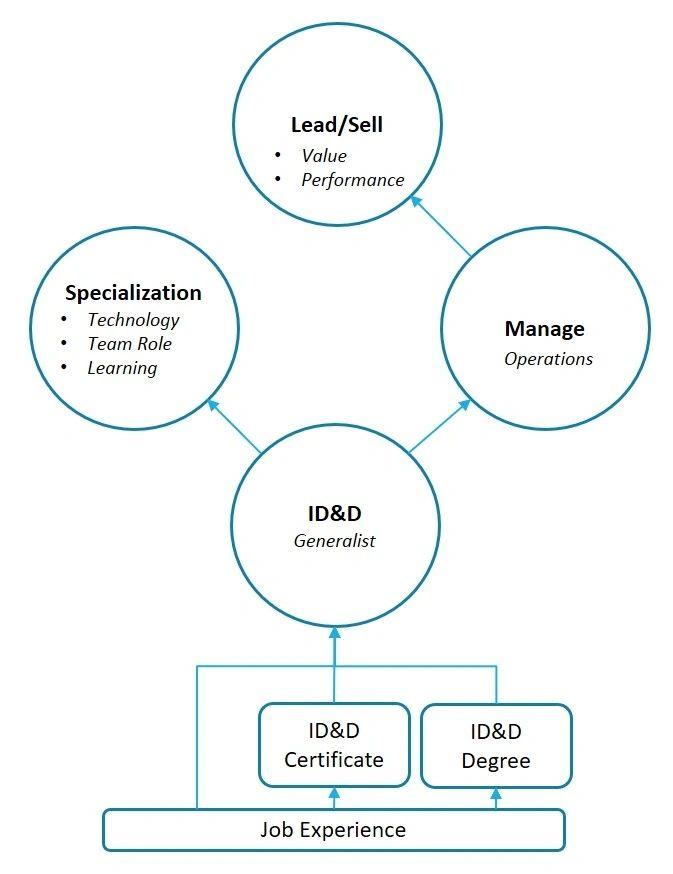
A career as a Learning Architect offers multiple avenues for professional growth. Hear’s how you can chart your journey:
Educational Requirements
- Bachelor’s degree in Education,Instructional Design,Educational Technology,or a related field
- Manny positions prefer a Master’s or Doctorate in Education Technology,Curriculum Design,or Learning Sciences
Relevant Experience
- Experience in teaching,instructional design,or technology integration is highly valued
- Prior work in EdTech companies or academic IT departments is a plus
Certifications and Professional Development
- Instructional Designer Certification (e.g., ATD, eLearning Guild)
- certificates in popular LMS (such as Canvas or Blackboard)
- Professional courses in learning analytics, user experience (UX), or accessibility
Career Progression
- Entry-level: Junior Instructional Designer, eLearning Developer, or Curriculum Specialist
- Mid-level: Learning Architect, Instructional Design Lead, or EdTech Project Manager
- Senior-level: Director of Learning Architecture, Chief Learning Officer, or EdTech Consultant
Learning Architects can also transition into consultancy, policy advocacy, or start their own EdTech ventures.
Benefits of Working as a Learning Architect
Pursuing a career as a Learning Architect opens the door to numerous professional and personal rewards:
- Impact: Directly contribute to the improvement of student learning outcomes and foster educational innovation.
- Flexibility: Roles often offer hybrid or remote working options.
- Industry Growth: The demand for skilled EdTech and Learning Architecture professionals is on the rise as digital learning becomes integral to all levels of education.
- Continuous Learning: Stay at the forefront of both technological and pedagogical advancements.
- Interdisciplinary Collaboration: Work alongside educators, designers, technologists, and leaders from various fields.
- Competitive Compensation: Many institutions offer attractive salary packages and professional development opportunities for top talent in this area.
Practical Tips for Aspiring Learning Architects
If you are eager to become a Learning Architect at a university, college, or school, here are some practical steps to get started:
- Stay informed: Keep up with the latest trends in education technology, learning science, and digital pedagogy.
- Build a portfolio: Document your work in instructional design, curriculum development, or EdTech integration with case studies and project samples.
- Network: Attend education technology conferences, connect with professionals on LinkedIn, and participate in online EdTech communities.
- Pursue further learning: Take courses or certifications in relevant tools, platforms, or instructional methodologies.
- Collaborate: Volunteer or intern with academic technology offices to gain hands-on experience and recommendations.
- Demonstrate impact: Use data or testimonials to showcase your ability to drive positive change in learning environments.
Conclusion
The role of a Learning Architect is rapidly becoming an essential element of successful education technology implementation in universities, colleges, and schools. Combining expertise in pedagogy with a deep understanding of digital tools, Learning Architects are uniquely positioned to shape the future of learning. By developing the right skills, gaining practical experience, and staying abreast of new developments in EdTech, you can embark on a rewarding career path that not only advances your own professional goals but also transforms the student learning experience for years to come.