
What Is a Learning Architect? roles, Responsibilities, and Career Path Explained
Are you passionate about education, technology, and innovation? If you’re exploring a future in education technology within universities, colleges, or schools, you may have come across the term Learning Architect. But what exactly does this role entail? This comprehensive guide introduces job seekers to the dynamic role of a Learning Architect, outlining responsibilities, skills, career pathways, benefits, and practical tips to land your dream job in EdTech.
Introduction to the Learning Architect Role
In today’s rapidly evolving educational landscape,the integration of technology into teaching and learning has paved the way for specialized roles like the Learning Architect.Positioned at the intersection of instructional design, technology, and educational strategy, Learning Architects shape and refine learning experiences across schools, colleges, and universities. They are instrumental in building engaging, effective, and inclusive digital learning environments that drive student success.
What Is a Learning Architect?
A Learning Architect is an education technology professional who designs, develops, and optimizes learning systems and environments. Unlike customary instructional designers, Learning Architects take a holistic approach, considering pedagogical strategies, curriculum structure, user needs, and technology platforms to create scalable and impactful learning solutions. They ofen work collaboratively with faculty, administrators, and IT teams to map out the architecture for both online and blended programs.
Key Objectives of a Learning Architect
- Construct and orchestrate digital learning ecosystems
- Enhance student engagement and outcomes through technology
- Ensure alignment with educational standards and institutional goals
- Promote best practices in instructional design and EdTech implementation
Roles and Responsibilities of a learning Architect
Learning Architects play multifaceted roles in educational organizations. Their core responsibilities can vary depending on the institution, but typically include:
1. designing Learning Experiences
- Developing the overarching framework for courses and programs
- selecting and integrating appropriate instructional technologies
- Ensuring accessibility and inclusivity in digital content
- Applying learning science principles and evidence-based practices
2. Curriculum Progress and Alignment
- Crafting curriculum maps that meet institutional objectives
- Aligning curriculum with accreditation requirements and learning outcomes
- Collaborating with subject matter experts to design engaging content
3. Technology Integration and Support
- Evaluating and implementing Learning Management Systems (LMS)
- Facilitating adoption of new EdTech tools and platforms
- Providing training and support for faculty and staff
4. Data analysis and Quality Assurance
- Monitoring learner engagement and success metrics
- Assessing and refining instructional strategies through data analysis
- Conducting usability testing and continuous betterment
5. Project Management and Collaboration
- Leading cross-functional project teams
- Managing timelines and budgets for learning initiatives
- Communicating progress to stakeholders in education technology projects
Essential Skills for Learning Architects in Education Technology
For job seekers aspiring to become Learning Architects,certain skills are highly prized in universities,colleges,and schools. Here’s what employers look for:
- Instructional Design Expertise: Deep understanding of curriculum development, adult learning theories, and assessment strategies.
- Technical Proficiency: Knowledge of EdTech tools such as LMS (Canvas, Blackboard, Moodle), authoring tools (Articulate, Captivate), and analytics platforms.
- project Management: Experience steering complex educational projects from conception to completion.
- Dialog and Collaboration: Strong interpersonal skills to work with faculty, administrators, and IT professionals.
- Strategic Thinking: Ability to map out learning architectures aligned with institutional vision and future trends.
- analytical Mindset: Skills in data-driven decision making and continuous improvement in teaching and learning.
- Adaptability: Eagerness to stay up to date with emerging educational technologies and practices.
Learning Architect Career Path: Education, Experience, and Advancement
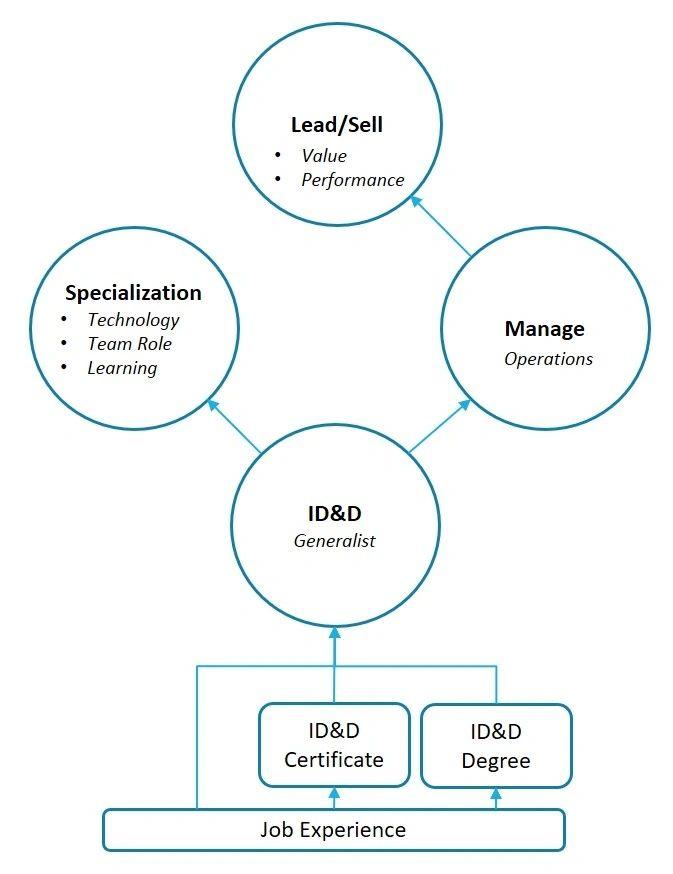
Pursuing a career as a Learning Architect in education technology often follows this progression:
Educational Requirements
- Bachelor’s degree in Education, Instructional Design, Educational Technology, or a related field
- Master’s degree (often preferred) in Education technology, Curriculum Development, or Learning Sciences
- Certifications in project management (PMP), EdTech tools, or instructional design (ATD, ISTE, etc.) can enhance prospects
relevant Work Experience
- Experience as an instructional designer, EdTech specialist, or eLearning developer
- Work in technology-enabled teaching environments or online programme management
- Evidence of successful project management and deployment of digital learning solutions
career Advancement Opportunities
- Senior Learning Architect
- Director of Learning Design or Educational Technology
- Program Manager for Digital Learning Initiatives
- EdTech Consultant for universities, colleges, or schools
Benefits of Becoming a Learning Architect
Working as a Learning Architect offers numerous benefits for job seekers in the education technology sector:
- impact: Directly influence student success and institutional growth through technology-enhanced learning.
- Innovation: Opportunity to pioneer new educational technologies and instructional strategies.
- Collaboration: Work closely with diverse teams across departments.
- Professional Growth: Develop expertise and leadership in a fast-growing EdTech field.
- Adaptability: Many roles offer remote or hybrid working arrangements.
- Job Security: high demand for technology-savvy education professionals in universities, colleges, and schools.
Practical Tips for Job Seekers: landing a Learning Architect Role
If you’re ready to pursue a career as a Learning Architect, here are some actionable steps for aspiring EdTech professionals:
1. Build a Strong Educational foundation
- Pursue relevant degrees and certifications in education technology or instructional design.
2. Gain Practical Experience
- Participate in digital curriculum projects,online course development,or EdTech internships.
- Volunteer for technology-driven initiatives at schools, colleges, or universities.
3. Master Key EdTech Tools
- Stay proficient with leading LMS and authoring software.
- Experiment with AR, VR, gamification, and adaptive learning technologies.
4. Network and Stay Informed
- Join professional organizations like ISTE,ATD,or EDUCAUSE.
- Attend webinars, conferences, and workshops in education technology.
5. Demonstrate Your Impact
- Prepare a portfolio showcasing successful learning design projects.
- Highlight outcomes and innovations you contributed to previous roles.
Conclusion: Why Learning Architects Are Vital in Modern Education
As universities, colleges, and schools continue to prioritize digital conversion, Learning Architects are taking center stage. Their unique blend of educational expertise, technological savvy, and strategic vision make them indispensable in crafting impactful learning environments for today’s students. Whether you’re starting out or shifting careers into education technology, embracing the role of Learning Architect promises professional rewards, growth, and the satisfaction of shaping the future of learning. Use the insights, skills, and tips explored here to confidently pursue and excel in this exciting edtech career.