
What is a Learning Experience Designer (LXD)? Role, Skills, & Career Path Explained
Careers in education technology are evolving rapidly, and more institutions are seeking professionals who can enhance student engagement through thoughtfully crafted digital and in-person learning experiences. One of the most exciting and impactful roles in this field is the Learning Experience Designer (LXD). If you are exploring opportunities at universities,colleges,or schools,understanding this role can open up pathways to making a tangible difference in education. In this complete article,we’ll explain what a Learning Experience Designer does,the essential skills for success,the benefits of this career,and practical steps to land an LXD job in the dynamic world of education technology.
Understanding the Role: what Does a Learning Experience Designer Do?
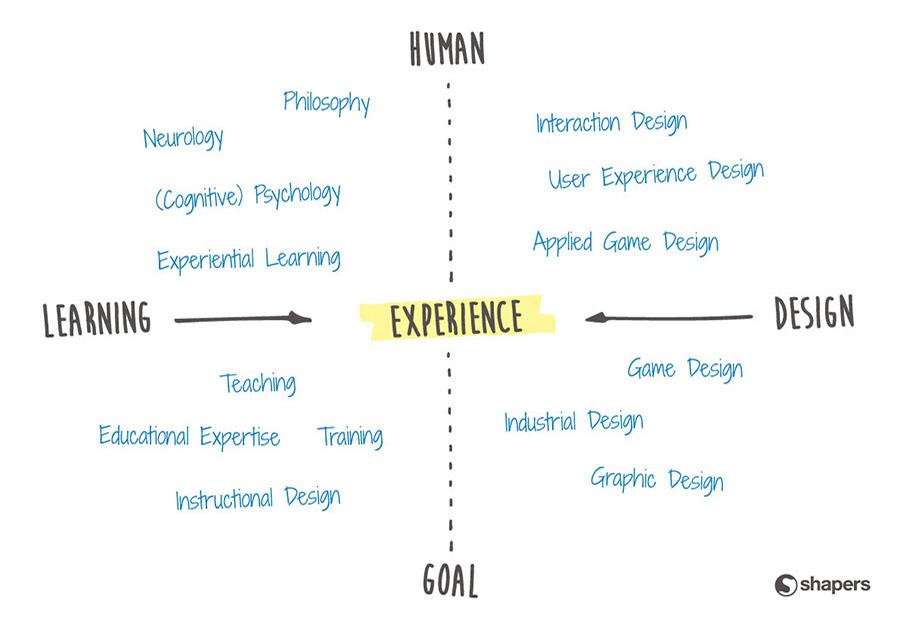
A Learning Experience Designer (LXD) is an education technology professional responsible for designing, developing, and evaluating educational programs and courses that prioritize learner engagement, accessibility, and outcomes. LXDs focus on the entire learning journey, blending pedagogical theory with instructional design, technology, and user experience design to create meaningful, memorable, and motivating learning environments.
- Human-Centered Design: LXDs put students at the center, understanding their needs, motivations, and challenges.
- Technology Integration: They leverage the latest tools—LMS platforms, multimedia, and interactive content—to create engaging courses.
- Collaboration: LXDs work closely with faculty, IT staff, subject matter experts, and administrators.
- continuous Betterment: They analyze learner feedback and outcomes data to refine and improve courses.
Key Responsibilities of a Learning Experience Designer
Learning Experience Designers bridge the gap between pedagogy and technology. Their responsibilities at universities, colleges, or schools commonly include:
- Analyzing learner needs and institutional goals
- Designing curriculum and learning experiences aligned with best practices in instructional design
- Developing digital learning assets, such as videos, quizzes, simulations, and interactive modules
- Ensuring accessibility and inclusivity for diverse learner populations
- Training faculty and staff on digital tools and pedagogical methods
- Evaluating the effectiveness of learning programs via analytics and assessments
- Researching and implementing new educational technologies
- Iterating and adapting content based on feedback and performance data
Essential Skills for Success as a learning Experience Designer
Succeeding as an LXD in education technology requires a blend of technical, pedagogical, and interpersonal skills. Here are the core competencies you’ll need to thrive:
1. Instructional Design
- strong grasp of learning theories (e.g.,constructivism,behaviorism,cognitivism)
- Ability to design courses using frameworks like ADDIE or SAM
- Assessment design for measuring learning outcomes
2.Technology Proficiency
- Experience with learning Management Systems (LMS), such as Canvas, Moodle, or Blackboard
- Familiarity with authoring tools (Articulate Storyline, Adobe Captivate, H5P)
- Multimedia creation and editing skills (video, podcasting, graphic design)
- Basic knowlege of HTML, CSS, or UX/UI principles is a plus
3. User Experience (UX) & Accessibility
- Designing intuitive navigation and learner flows
- Ensuring compliance with accessibility standards (WCAG, ADA)
- Understanding Global Design for Learning (UDL) principles
4. Project Management
- Ability to manage multiple projects and deadlines
- Agile or iterative development skills
- Collaboration with cross-functional teams
5. Communication & Collaboration
- Facilitation skills for training and workshops
- Excellent written and verbal communication
- Negotiation and stakeholder management
Benefits of a Learning Experience Designer Career
Pursuing a job as an LXD in universities, colleges, or K-12 schools not only makes you a key player in student success, but also brings exciting professional rewards:
- Impact Lives: Directly influence students’ educational journeys by designing engaging and inclusive learning experiences.
- Continuous Growth: Expand your expertise as education technology evolves and as you collaborate with diverse teams.
- High Demand: With the digital transformation of education, LXDs are in high demand across higher education, K-12, online programs, and corporate training.
- hybrid & Remote Opportunities: Manny institutions offer flexible work environments for learning experience professionals.
- Creative and Analytical Work: Enjoy a balance of creativity in course design and data-driven decision-making.
Typical Career Path & Advancement Opportunities
The Learning Experience Designer role serves as both an entry point and a stepping stone to a diverse range of careers in education technology. Typical pathways include:
- Instructional Designer: A foundational role focused on content creation and course development.
- Learning Technologist: Specializes in implementing and supporting learning technologies at an institutional level.
- Senior/Lead LXD: Oversees design strategy and mentors newer designers.
- Education Technology Manager/Director: manages teams and leads digital transformation initiatives.
- Faculty Development Specialist: Focuses on training and supporting instructors in technology integration and pedagogical innovation.
There’s also scope to move into roles like curriculum director,academic innovation officer,or eLearning consultant. Many universities and colleges also create new hybrid roles as digital transformation continues to shape education.
How to Become a Learning Experience Designer: Practical Tips
If you’re aiming for an LXD job at a university,college,or school,here are actionable steps to help you stand out as a candidate:
- Pursue Relevant Education: A bachelor’s or master’s degree in education,instructional design,educational technology,or a related field is typically required.
- Develop Technical Skills: Familiarize yourself with major LMS platforms,authoring tools,and basic web design principles. Many free and paid online courses are available.
- Build a Portfolio: Showcase learning experiences you’ve designed—such as sample course modules, multimedia assets, or case studies—on a professional website or digital portfolio.
- Network in the Industry: Connect with education technologists, attend conferences or webinars, and join online communities dedicated to instructional design and LX design.
- Stay Current: Follow trends in education technology, instructional design methodologies, and policy changes. Professional development is key.
- Tailor Your Request: Highlight your ability to combine technology and pedagogy, and provide specific examples of how you improved learning outcomes.
- Obtain Certifications: If possible, pursue certifications such as Certified Professional in Learning and Performance (CPLP) or Association for Talent Development (ATD) credentials.
Common Interview Questions for LXD Positions
Anticipating the types of questions hiring managers might ask can give you a competitive edge. Prepare for questions such as:
- How do you approach designing an effective learning experience for a diverse group of learners?
- What’s your process for collaborating with faculty or subject matter experts?
- Can you share a time when you used learner feedback and data analytics to improve a course?
- Which educational technologies have you worked with, and how did you use them?
- Describe your experience in ensuring course accessibility and applying UDL principles.
The future of Learning Experience Design in Education Technology
The demand for Learning Experience Designers will only grow as universities, colleges, and schools invest further in online and blended learning. The role is becoming more strategic, focusing on long-term learner success, inclusivity, and the integration of artificial intelligence, adaptive learning, and immersive technologies. Becoming an LXD sets you on a path to be at the forefront of educational innovation, contributing to more engaging, effective, and equitable learning environments.
Conclusion
A career as a Learning Experience Designer in education technology offers a unique blend of creativity, analytical problem-solving, and the opportunity to make a positive impact on students’ lives.whether you aspire to work in higher education, K-12 schools, or digital course development, mastering the skills and understanding the responsibilities outlined here will set you up for a fulfilling and in-demand career. As education continues to evolve,LXDs will play a pivotal role in shaping the learning experiences of tomorrow. Start building your expertise today, and you could become an essential contributor to the future of education.