
What Is a Product Owner? Key Roles, Responsibilities, and Skills Explained
In the ever-evolving landscape of education technology (EdTech), universities, colleges, and schools are seeking professionals who can bridge the gap between great ideas and reliable digital solutions. One pivotal role at the heart of EdTech innovation is the Product Owner. Whether you’re exploring new career opportunities or aiming to transition into EdTech, understanding what a product owner does is the first step toward a rewarding journey in this sector.
Introduction to the Product Owner Role in EdTech
A Product Owner is a critical member of an agile development team, serving as the voice of the customer and the bridge between stakeholders and developers. In the context of education technology, product owners play a crucial part in shaping products designed to improve teaching, learning, and administrative processes in academic institutions. From learning management systems to campus apps, the product owner ensures these tools meet the students’ and educators’ needs while aligning with the institution’s goals.
What Does a Product Owner Do?
The main duty of a product owner is to maximize the value of the product resulting from the work of the development team. This means making decisions, prioritizing tasks, and continuously refining the product vision in collaboration with stakeholders. In EdTech settings, this also involves:
- understanding the unique requirements of educational institutions
- Translating educational goals into digital solutions
- ensuring compliance with data privacy regulations in academia
- Promoting user-centric design for students, teachers, and administrators
Key Roles and Responsibilities of a product Owner in Education Technology
The product owner wears many hats in a collaborative EdTech environment. Here are the primary roles and responsibilities candidates should be aware of when considering this career path:
1. Defining and Managing the product Vision
- Crafting a clear product vision aligned with educational institutions’ strategic goals
- Communicating this vision effectively to development, design, and business teams
2. Creating and Prioritizing the Product Backlog
- Maintaining a dynamic, prioritized list of features and enhancements (the backlog)
- Making sure backlog items reflect stakeholder feedback and institutional priorities
- Regularly refining the backlog to adapt to new educational requirements or policies
3. Acting as the Main Liaison Between Stakeholders and the Development Team
- Gathering requirements from teachers, administrators, IT staff, and sometimes students
- Translating those requirements into actionable user stories and acceptance criteria for developers
4. Decision-Maker Throughout the Development Lifecycle
- answering questions and providing feedback to the development team during sprints
- reviewing deliverables and accepting/rejecting work based on predefined acceptance criteria
5. Ensuring Product Quality and Institutional Compliance
- Overseeing quality assurance and user testing, especially for accessibility and privacy compliance
- Coordinating training materials or documentation for end users (faculty, staff, students)
Essential Skills for Success as a Product Owner in EdTech
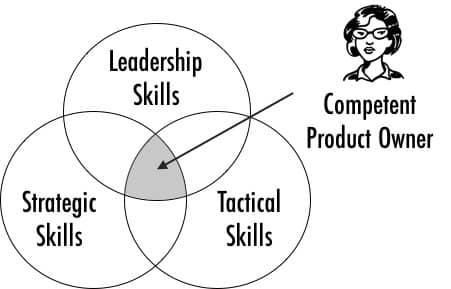
The education technology sector demands a unique blend of technical, strategic, and interpersonal skills from product owners. Here are some of the key skills to thrive in EdTech:
- Product Management: Experiance in product management methodologies, particularly agile or scrum frameworks.
- Stakeholder Management: Ability to communicate and negotiate with diverse groups, from IT professionals to educators.
- User Empathy: Understanding of the unique challenges students, teachers, and administrators face.
- Business Analysis: Proficiency in gathering, analyzing, and prioritizing business and technical requirements.
- Technical Literacy: Comfort working with development teams and understanding software development terminology,even without being a developer.
- Decision-Making: Confidence in making informed decisions under tight timelines.
- Problem-Solving: Creative thinking and resourcefulness when addressing complex educational needs.
- Adaptability: Ability to quickly respond to changes in institutional policies, technology trends, or educational needs.
Benefits of Becoming a Product Owner in Education Technology
choosing a product owner career in education technology offers numerous unique advantages:
- Pioneering EdTech Solutions: Be at the forefront of introducing innovative tools that shape how students learn and educators teach.
- impactful Work: Drive projects that directly contribute to student and faculty success.
- Professional Growth: Gain versatile experience applicable to both technology and educational sectors.
- Strong Job Outlook: As institutions increasingly adopt EdTech,demand for skilled product owners is projected to rise.
- Purpose-Driven Environment: Experience the satisfaction of making a positive difference in education and the greater community.
Practical Tips for Landing a Product Owner Job in EdTech
Transitioning into a product owner role—especially within universities, colleges, or schools—can be a rewarding move. Here are some actionable tips for aspiring EdTech product owners:
- Gain Relevant Experience: Start by managing projects or products,even small-scale ones. Volunteer on cross-functional teams or EdTech pilot programs within academic environments if possible.
- Develop Understanding of Educational Needs: Stay updated on trends in academia, pedagogical best practices, and regulatory requirements around data privacy and accessibility.
- Earn Certifications: Consider certifications like Certified Scrum Product Owner (CSPO) or Professional Scrum Product Owner (PSPO) to validate your agile and product management skills.
- Leverage Networking: Attend EdTech conferences, webinars, or local meetups to connect with current product owners and hiring managers in educational institutions.
- Create a Tailored Resume: Highlight relevant achievements in technology, project management, or previous educational experience. Be sure to showcase your impact on end users.
- Demonstrate User Empathy: During interviews, discuss how you approach understanding and advocating for your end users—be it students or faculty members.
- Stay Agile: Product ownership is all about iteration and betterment. Show your willingness to learn from feedback and adapt to new challenges.
Career Progression and Future Outlook
product owners in education technology frequently enough enjoy diverse career pathways. After gaining foundational experience, you may advance to senior product owner, product manager, head of product, or even chief technology officer (CTO) roles within educational institutions or EdTech companies. Continuous learning and staying current with emerging technologies—such as artificial intelligence in education, mobile-first learning, and data analytics—will keep you ahead in this dynamic field.
Conclusion
A Product Owner in education technology stands at the intersection of innovation, user-centric design, and academic purpose. As EdTech continues to disrupt and enhance traditional learning experiences, talented product owners are increasingly essential in universities, colleges, and schools. By understanding the key roles,responsibilities,and skills outlined in this article,you’ll be better prepared to embark on an impactful and fulfilling career in this dynamic sector.Whether you’re passionate about technology, education, or both, the product owner role offers a unique possibility to make a real difference in shaping the future of learning.