
What Is a Product Owner? Key Roles, Responsibilities & Skills Explained
As education technology continues to revolutionize how learning happens in universities, colleges, and schools, the demand for skilled professionals in edtech has seen notable growth. Among the most critical roles in this sector is that of the Product Owner. If you’re a job seeker wondering what it takes to become a Product Owner in the world of education technology, this comprehensive guide will walk you through the key roles, responsibilities, and skills required to succeed, along with practical tips for breaking into this rewarding field.
introduction to the Product Owner Role in Education Technology
A Product Owner serves as the bridge between technology teams and educational stakeholders, ensuring that learning platforms and digital tools effectively address the needs of educators, students, and administrators. In universities, colleges, and K-12 schools, Product Owners drive the creation and enhancement of software solutions, from learning management systems (LMS) to assessment platforms and collaboration tools. This role is central to aligning edtech products with institutional goals and user needs.
Why Product Owners Are Essential in Educational institutions
Educational institutions are rapidly adopting digital solutions to improve learning outcomes, engage students, and streamline operations. A Product Owner:
- Aligns product development with academic goals and institutional strategies
- Translates the needs of educators, students, and administrators into actionable product features
- Ensures new technologies are intuitive, accessible, and impactful
- Acts as an advocate for continuous improvement based on user feedback and educational trends
Without a dedicated Product Owner, even the best technology risk falling short of it’s potential in serving educational communities.
Key Roles of a Product Owner in Education Technology
The Product Owner plays various pivotal roles, especially when it comes to edtech solutions for universities, colleges, and schools. These include:
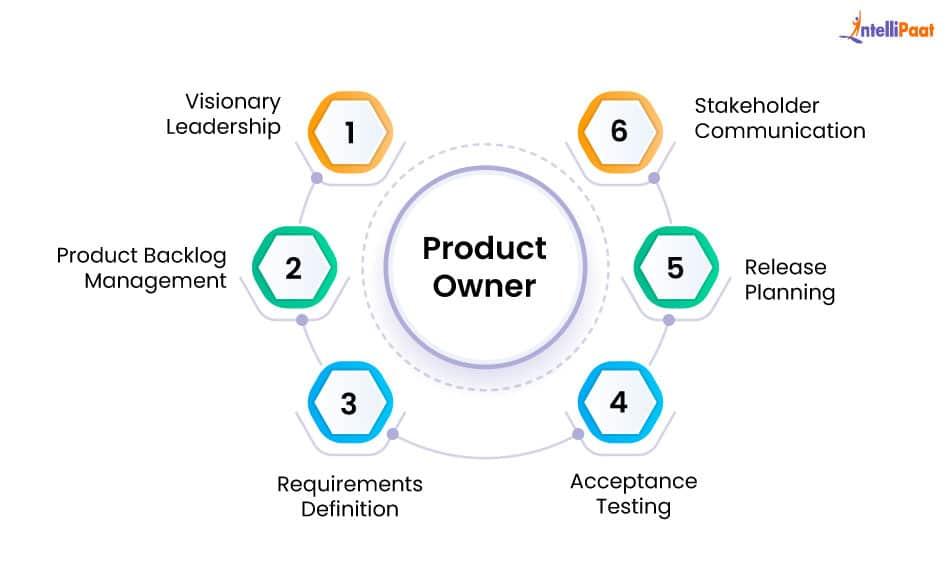
- Visionary: Defines the vision and strategy for educational products, in alignment with institution-wide goals and evolving educational best practices.
- prioritizer: Manages the product backlog, ensuring development teams work on features with maximum educational impact.
- Communicator: Serves as a liaison between educators, administrators, IT teams, and external vendors.
- User Advocate: Champions the needs and experiences of teachers,students,and other stakeholders using the edtech platform.
- Quality Gatekeeper: Validates that delivered features meet functional, usability, and accessibility requirements.
core Responsibilities of a Product Owner in EdTech
Daily tasks for a Product owner in education technology can vary depending on the institution’s size and technical setup. However, core responsibilities typically include:
- Product Backlog Management: Creating, refining, and prioritizing a list of desired features and improvements, guided by user feedback and institutional priorities.
- Requirement Gathering: Interacting with faculty, students, and administrators to understand challenges and opportunities for digital transformation.
- User Story creation: Writing clear and concise user stories that guide developers on what to build and why it matters in educational contexts.
- Sprint Planning & review: Collaborating with development teams to plan work, set timelines, and review finished functionalities for alignment with educational objectives.
- Stakeholder Alignment: Regularly updating all parties on product progress, soliciting feedback, and managing expectations.
- Market Analysis: Keeping abreast of edtech trends, competitor products, and emerging technologies that can benefit the institution.
- Accessibility & Compliance: Ensuring products meet accessibility standards and comply with educational data regulations.
essential Skills for product Owners in Education Technology
Succeeding as a Product Owner in universities, colleges, or K-12 education requires a combination of technical, analytical, and interpersonal skills. Key skill sets include:
- Educational Insight: Understanding how teaching and learning happens in a digital age, and how technology supports these processes.
- Technical Literacy: Familiarity with software development processes, data privacy, and integration with other educational systems.
- Dialog: ability to clearly articulate product vision, requirements, and value to both technical teams and non-technical stakeholders.
- Analytical Thinking: Interpreting data and user feedback to guide continuous product improvement.
- Problem-Solving: Rapidly identifying, analyzing, and resolving issues affecting product usability or user satisfaction.
- Leadership: Motivating teams, managing diverse viewpoints, and driving consensus toward shared goals.
- User empathy: Designing features and solutions with a deep understanding of end-user needs in the education sector.
- Adaptability: Navigating shifting priorities and institutional changes common in educational environments.
Benefits of Being a Product Owner in Education Technology
- Impactful Work: drive digital transformation that helps educators teach better and students learn more effectively.
- Professional Growth: Develop a multidisciplinary skill set at the intersection of education, business, and technology.
- Collaborative Habitat: Work closely with diverse teams and contribute to institution-wide innovation.
- Career opportunities: High demand for Product Owners spans universities, colleges, schools, and edtech companies.
- Job Satisfaction: See tangible results as products improve teaching, learning, and operational efficiency.
Practical Tips for Aspiring Product Owners in Education Technology
- Leverage Educational Experience: If you have a background as a teacher or administrator, highlight your understanding of classroom needs and institutional processes.
- Gain Technical Familiarity: While deep coding skills aren’t required, understanding basic software development and agile methodologies (like Scrum) is highly beneficial.
- Build Communication Skills: Practice conveying complex ideas simply, bridging gaps between technical and non-technical audiences.
- Showcase Project Management: Experience managing cross-functional teams or leading initiatives adds significant value.
- Stay informed: Subscribe to education technology news, attend industry events, and familiarize yourself with major edtech platforms used in your target institutions.
- Pursue Certifications: Consider certifications like Certified Scrum Product Owner (CSPO) or Agile Product Ownership to boost your credibility.
- Network Within Education: Build connections with edtech professionals through LinkedIn groups,local meetings,or university career events.
How to Stand Out When Applying for product Owner Jobs in EdTech
- Customize Your Resume: Tailor your experience and skills to show relevance to educational environments and digital products.
- Demonstrate User-First Thinking: Share examples of projects where you advocated for end-users.
- Discuss Measurable Results: Highlight how your contributions led to enhanced user engagement, satisfaction, or educational outcomes.
- Highlight Collaboration: Showcase teamwork, particularly in cross-functional or multi-disciplinary settings within education.
- Prepare for Scenario Questions: Be ready to discuss how you would gather requirements or resolve conflicts among university faculty, students, or IT staff.
Conclusion: Embrace a Rewarding Career in EdTech product Ownership
Becoming a Product Owner in the education technology sector offers a chance to make a real difference in how universities, colleges, and schools teach and learn. By mastering the roles, responsibilities, and skills outlined in this guide, you position yourself as a vital asset to any forward-thinking educational institution. Whether you’re transitioning from teaching, IT, or another industry, the insights and tips shared here can definitely help you chart a successful path in edtech product ownership. Start your journey today, and contribute to shaping the future of education!