
What Is a Product Owner? Key Roles, Skills & responsibilities Explained
As universities, colleges, and schools increasingly leverage technology to enhance learning and streamline operations, the demand for skilled professionals in education technology is rapidly growing.One critical role that stands at the intersection of technology, education, and innovation is the Product Owner. If you’re interested in shaping digital products and improving educational experiences, understanding what a Product Owner does can be the frist step towards an exciting career in edtech product management. In this article,we’ll explain the key roles,responsibilities,skills required,and practical tips for landing a Product Owner job in the education sector.
Understanding the Product Owner Role in Education Technology
The Product Owner is a pivotal figure within Agile and Scrum teams, acting as the main point of contact between stakeholders (such as faculty, IT professionals, and students) and the product development team. In educational settings,Product Owners help ensure that technology solutions—such as learning management systems,assessment tools,or digital content platforms—align with both institutional goals and user needs.
In essence, a Product Owner acts as the “voice of the customer” and is responsible for maximizing the value of the product throughout its lifecycle.
Why Is the Product Owner Vital in Education?
- bridges the gap: Connects educators, students, and technical teams to deliver effective digital solutions.
- Drives innovation: Leads the development of tools and systems that enhance teaching, learning, and management.
- Adapts solutions: Ensures educational products stay relevant and address evolving needs.
Key Responsibilities of a Product owner in Universities, Colleges, and Schools
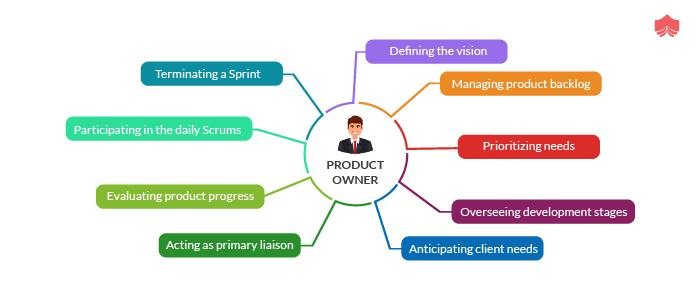
Although specific duties may vary by institution and product, the core responsibilities of a Product Owner in the education technology space typically include:
- Developing and Managing the Product Backlog: Clearly articulates product features, user stories, and priorities to the development team.
- Defining Vision and Strategy: Sets the product vision in alignment with institutional objectives and communicates it to stakeholders.
- Gathering and Prioritizing Requirements: Works closely with educators, administrators, and students to understand their needs and priorities.
- Stakeholder Collaboration: Serves as the primary point of contact for feedback and ensures requirements are clearly understood and achievable.
- Overseeing Product Development: Guides the Agile team through development cycles, ensuring that product releases meet defined goals and timelines.
- Accepting or Rejecting Work Results: has the authority to accept or reject deliverables based on agreed-upon criteria.
- Continuous Betterment: Analyzes product performance and user feedback, iterating on features or workflows as necessary for optimal adoption and impact.
- Change Management: Supports schools and universities in adopting new tools, offering training and resources to maximize technology value.
essential Skills for a Triumphant Product Owner in EdTech
Working as a Product Owner in education technology requires a unique blend of technical no-how, domain expertise, and interpersonal competence. Here are the most sought-after skills:
- Communication: Ability to convey complex ideas to both technical and non-technical stakeholders.
- Strategic Thinking: Understands the educational surroundings and how technology can address long-term needs.
- User Empathy: Prioritizes student and educator experiences during product design and development.
- Analytical Skills: uses data-driven insights to guide product decisions and improvements.
- Technical Literacy: Comfortable discussing technical requirements, software development processes, and integration challenges.
- Prioritization: Effectively balances competing demands from various stakeholder groups.
- Leadership: Guides cross-functional teams,motivates contributors,and resolves conflicts.
- Commitment to Education: Passionate about improving learning outcomes through technology.
Benefits of Being a Product Owner in Education Technology
Choosing a career as a Product Owner in the edtech sector comes with a number of advantages:
- Impactful Work: Play a direct role in shaping educational experiences and outcomes for students and educators.
- Dynamic Environment: work closely with innovative technologies and multidisciplinary teams.
- Professional Growth: Develop leadership, project management, and technical skills with opportunities for advancement into senior product roles.
- Job Security: Education technology continues to be a growth area,offering strong job prospects as institutions modernize.
- Satisfaction: Contribute to meaningful projects that drive institutional success and student achievement.
Practical tips for Landing a Product Owner Job in EdTech
Interested in starting your career as a Product Owner in universities, colleges, or schools? The following tips can enhance your prospects:
-
Build relevant Experience:
- Gain experience in education, technology, or project management—consider roles like business analyst, IT consultant, or instructional designer.
- volunteer for cross-functional projects at your current institution.
-
Expand Your Knowledge:
- Pursue certifications such as Scrum Product Owner, agile Project Management, or relevant edtech platforms (like LMS or SIS tools).
- stay informed about education technology trends, digital learning strategies, and institutional needs.
-
Network Strategically:
- Engage with professional associations, edtech conferences, and online communities.
- Connect with current Product Owners and hiring managers at universities or schools.
-
Demonstrate Your Skills:
- Showcase experience leading teams, launching initiatives, or managing digital products in your resume and portfolio.
- Emphasize your ability to connect user needs to technology solutions.
-
Prepare for Interviews:
- Anticipate scenario-based questions about handling competing priorities, collaborating with stakeholders, and adapting to change.
- Be ready to discuss metrics and success stories from your previous projects.
Frequently Asked Questions About Product Owners in Education technology
do Product Owners need a technical background?
while not always required, a solid understanding of technology and software development processes is highly beneficial—especially in translating user needs into viable technical solutions. Many strong candidates come from education, IT, business analysis, or instructional design backgrounds.
Is the Product Owner role the same as a Product Manager?
While there is overlap, Product Owners typically have more hands-on involvement with Agile teams and day-to-day tasks. Product Managers may focus more on overall product strategy, vision, and long-term roadmap, whereas Product Owners prioritize and execute features for development teams.
What challenges do Product Owners face in education settings?
Major challenges include balancing diverse stakeholder interests, navigating institutional processes, responding to rapid changes in technology, and ensuring adoption of new tools by educators and students.
Conclusion: Shaping Education’s Digital Future as a Product Owner
The Product Owner role is a cornerstone in the ongoing digital transformation of universities, colleges, and schools. As institutions embrace educational technology, Product Owners lead the charge in developing solutions that enrich learning experiences, boost operational efficiency, and support institutional goals.
By mastering key skills, understanding their core responsibilities, and positioning yourself strategically, you can unlock rewarding career opportunities as a Product Owner in the dynamic world of education technology. If you’re passionate about driving positive change in education, this is your moment to inspire innovation and make a lasting impact.