
What Is an Instructional Designer? Key Roles, Skills, and Career Path Explained
Are you passionate about education and technology? Do you enjoy designing engaging learning experiences? If so, a career as an instructional designer might potentially be the perfect fit for you. Instructional designers play a critical role in shaping how students, teachers, and trainers experience education in universities, colleges, and schools. This article will help you understand what an instructional designer does, the essential skills needed, key responsibilities, the benefits of the profession, practical tips for job seekers, and the typical career path within education technology.
Understanding the Role: What Is an Instructional Designer?
An instructional designer is a professional who creates, develops, and evaluates educational materials and experiences. their main focus is to ensure that learning content is effective, accessible, and aligned with institutional goals. Instructional designers use principles from learning theory, instructional technology, and multimedia design to support student success while collaborating with faculty, subject matter experts, and technology teams.
Where do Instructional Designers Work?
- Universities and colleges
- K-12 schools
- Online education providers
- Corporate training departments
- Nonprofit organizations and government agencies
Key Roles and Responsibilities of an Instructional Designer
The responsibilities of an instructional designer can vary depending on the educational setting, but typically include:
- Curriculum Development: Designing courses, modules, and instructional materials that align with learning objectives.
- Learning Needs Assessment: Collaborating with stakeholders to identify learning gaps and desired outcomes.
- Content Creation: Developing multimedia-rich content such as videos,interactive presentations,e-learning modules,and assessment tools.
- Technology Integration: incorporating the latest educational technologies, such as Learning Management Systems (LMS), educational apps, and adaptive learning platforms.
- Evaluation and assessment: Measuring the effectiveness of instructional programs through surveys, data analysis, and learner feedback.
- Professional Development: Training faculty and staff on best practices for teaching with technology and digital tools.
- Accessibility and Inclusivity: Ensuring all learning materials comply with accessibility standards and are inclusive for diverse learners.
Essential Skills for Instructional Designers
Succeeding as an instructional designer in universities, colleges, or schools requires a mix of soft skills and technical expertise. Here are the key skills you should develop:
1. Instructional Design Models
Understanding instructional design frameworks such as ADDIE (Analysis, Design, Development, Implementation, Evaluation), SAM (Successive Approximation Model), and Bloom’s Taxonomy is critical for developing impactful learning experiences.
2. Technology Proficiency
- Learning Management Systems (e.g., Canvas, Blackboard, Moodle)
- Authoring tools (e.g., Articulate Storyline, Adobe Captivate)
- Multimedia tools (e.g., Photoshop, Camtasia, Audacity)
- Basic HTML/CSS (for custom e-learning content)
3. Interaction and Collaboration
Instructional designers frequently work with faculty,staff,IT professionals,and students.excellent verbal and written communication skills are essential, along with the ability to manage feedback and work collaboratively on projects.
4. Project Management
- Planning and prioritizing tasks
- Managing timelines and deliverables
- Coordinating with multiple stakeholders
5. Creativity and Problem-Solving
Instructional designers must craft engaging, interactive lessons that cater to different learning styles. Creative thinking helps produce memorable and impactful learner experiences.
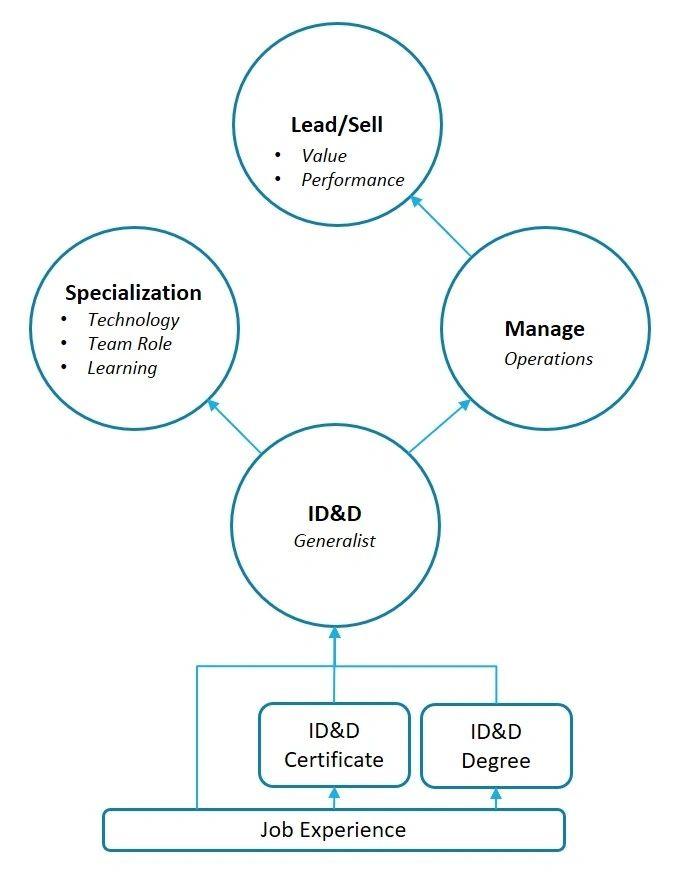
Career path: Becoming an Instructional Designer
The path to becoming an instructional designer can vary, but here’s a general roadmap for aspiring professionals:
1. Educational background
- Bachelor’s Degree: Most roles require a degree in education, instructional technology, instructional design, or a related field.
- Master’s Degree (Preferred): Many university and college roles seek candidates with a master’s in instructional design, learning technologies, or educational leadership.
- Certifications: Professional certifications like Certified Professional in Learning and Performance (CPLP) or specific software certifications can enhance your credentials.
2. Gaining Experience
- Start by volunteering for curriculum development projects or assisting faculty with course design.
- Internships or entry-level instructional technology positions can provide valuable hands-on experience.
- Build a portfolio showcasing your instructional design work, including sample lesson plans, e-learning modules, and multimedia content.
3. Advancing your Career
- Mid-level roles include instructional technologist,e-learning developer,or learning experience designer.
- With experience, you may move into senior positions like lead instructional designer, curriculum manager, or director of instructional technology.
- Specializing in areas such as accessibility, assessment, or faculty development can lead to further career growth.
Benefits of a Career in Instructional design
Working as an instructional designer in universities, colleges, or schools offers several rewarding benefits:
- High Demand: With the growth of online and blended learning, instructional designers are increasingly sought after in education technology.
- Impactful Work: You directly influence student success by shaping effective and engaging learning experiences.
- Continuous Learning: stay at the forefront of technology and educational best practices.
- Collaborative Surroundings: Work alongside educators,technologists,and creative professionals.
- Adaptability: Opportunities for remote and hybrid work are growing, especially in higher education and online learning settings.
Practical Tips for Landing a Job as an Instructional Designer
If you’re eager to enter the field of instructional design, these tips can definitely help you stand out:
- Develop a Professional Portfolio: Showcase completed projects, sample e-learning modules, and innovative instructional materials.
- stay Current with EdTech Trends: Follow newsletters, webinars, and online communities focused on education technology and instructional design.
- Network with Professionals: Join professional organizations, attend conferences, and connect with educators and technologists in your area.
- Master Key Tools: Demonstrate proficiency in leading LMS platforms and e-learning software relevant to schools, colleges, and universities.
- Highlight Transferable Skills: Skills such as communication, project management, and multimedia production are highly valued in educational settings.
- Customize Your Resume: Tailor your resume for each job application, emphasizing experience with technology integration and curriculum development.
What Makes a Great Instructional Designer?
In addition to technical abilities, great instructional designers:
- Adopt a learner-centered mindset and prioritize user experience
- Embrace innovation and seek creative solutions to pedagogical challenges
- Demonstrate empathy, understanding the varied needs of diverse learners
- Stay adaptable—ready to evolve with new technologies and learning modalities
frequently Asked Questions
What is the average salary of an instructional designer?
Salaries for instructional designers vary based on experience, location, and educational level.According to recent data, entry-level designers in education typically earn between $50,000 and $65,000 annually, with experienced professionals or those in leadership roles earning upwards of $80,000 or more.
Is a teaching background necessary for instructional design?
While experience in teaching can be beneficial, it’s not mandatory. what matters most is an understanding of how people learn and the ability to create compelling, effective instructional materials.
What are some common software tools used in instructional design?
Common tools include Articulate Storyline, Adobe Captivate, Camtasia, Google Classroom, and various LMS platforms like Canvas or Moodle. Proficiency in multimedia editing software is also a big plus.
Conclusion: Is Instructional Design Right for You?
pursuing a career as an instructional designer in education technology can be incredibly fulfilling. You’ll leverage technology to enhance education, solve instructional challenges, and make a real difference in the lives of learners and educators. Whether you’re just starting out or seeking a new direction within schools,colleges,or universities,investing in the right skills and staying engaged with the latest trends will help you succeed in this dynamic field. If you’re a creative problem-solver who loves connecting technology and education, instructional design might just be your ideal career path.