
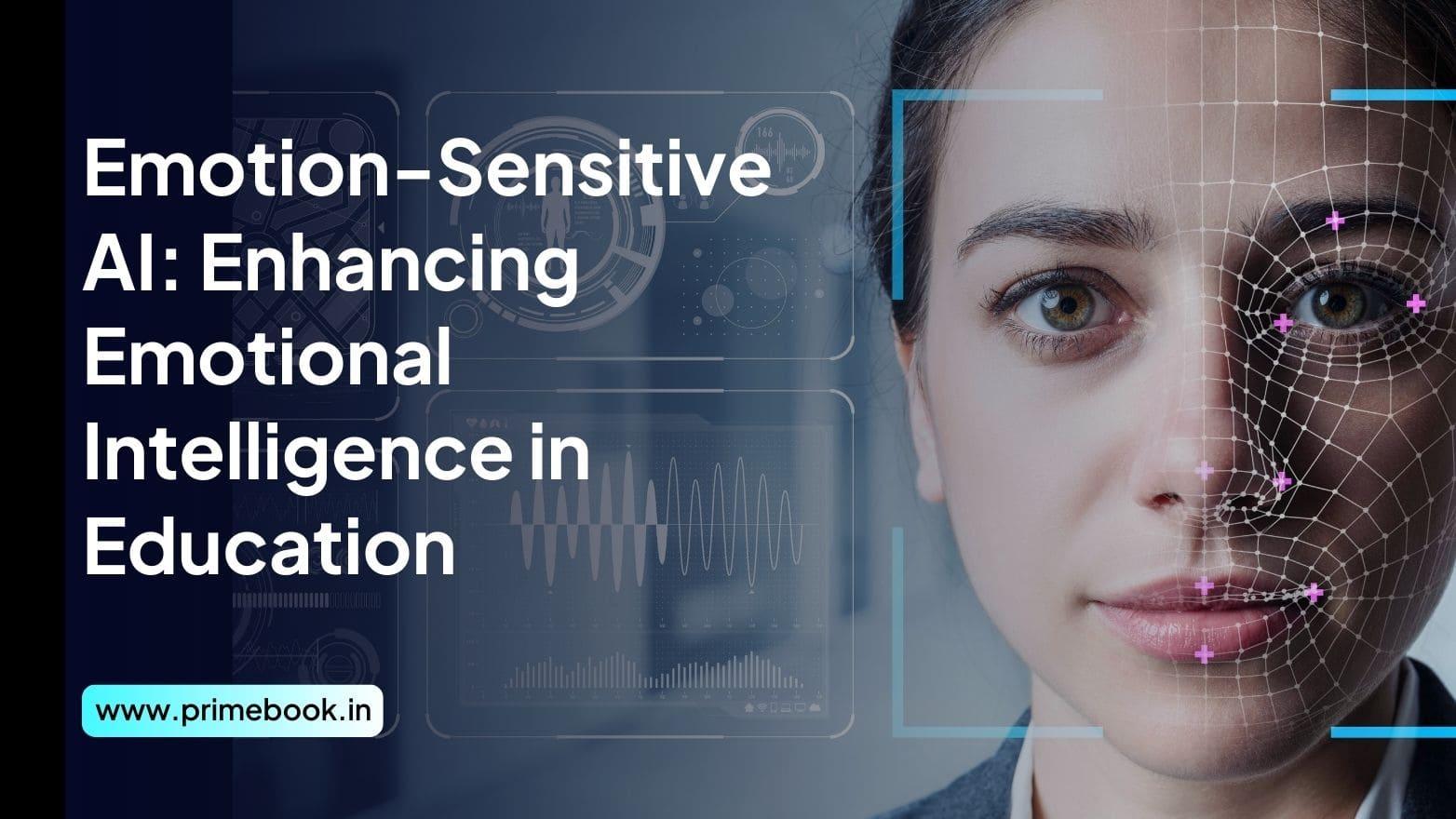
Why Emotional Intelligence Is Essential in Education: Key Benefits & Impact on Student Success
Emotional intelligence (EI or EQ) plays a crucial role in shaping academic achievement and lifelong learning. As education develops beyond rote memorization, modern educators recognize the profound benefits emotional intelligence brings to student progress, classroom climate, and overall educational success.
Introduction: The Importance of emotional Intelligence in Education
More then ever, education isn’t just about acquiring knowledge—it’s about nurturing the whole child. Emotional intelligence in education is now seen as critical for students to develop resilience, build relationships, and navigate the complex social landscape of schools. But why is emotional intelligence essential in education, and how does it impact student success?
This comprehensive guide explores the key benefits of emotional intelligence in education, practical strategies for integration, and real-world examples to illustrate its transformative power.
What Is Emotional Intelligence?
Emotional intelligence refers to the ability to recognize, understand, manage, and express emotions in oneself and others. psychologist Daniel Goleman identifies five key components:
- Self-awareness
- Self-regulation
- Motivation
- Empathy
- Social skills
High EQ enables students not only to manage their emotions but also to interact harmoniously with peers, teachers, and their surroundings—hallmarks of a thriving learning community.
The Key Benefits of Emotional Intelligence in Education
Here are some of the primary benefits of developing emotional intelligence in schools:
1. Improved Academic Performance
- Students with high emotional intelligence often achieve better grades and test scores.
- They are more focused, manage stress effectively, and are motivated to overcome challenges.
- EI helps create a positive classroom climate that supports cognitive development.
2. Enhanced Social Skills and Relationships
- Emotional intelligence fosters empathy, active listening, and conflict resolution.
- Students learn to collaborate, respect diversity, and build supportive friendships.
- A harmonious classroom reduces incidents of bullying and social exclusion.
3. Greater Emotional Resilience and Well-being
- Students acquire tools to handle anxiety, disappointment, and setbacks constructively.
- They demonstrate lower levels of depression and behavioral issues.
- Emotional resilience underpins lifelong psychological health and well-being.
4. Positive Classroom Management
- Teachers skilled in emotional intelligence are better equipped to manage classrooms proactively.
- Discipline becomes more about guidance than punishment, improving teacher-student relationships.
- Classrooms become safe spaces where all students feel valued and respected.
5. Enhanced Lifelong Success
- Emotional intelligence is a predictor of future work, leadership, and relationship success.
- Students with strong EI adapt more readily to change and handle life’s challenges with composure.
“Research shows that emotional intelligence is a stronger predictor of success than IQ in both academic and professional settings.” – CASEL (Collaborative for Academic, Social, and Emotional Learning)
The Impact of Emotional intelligence on Student Success
The impact of emotional intelligence on student success is far-reaching. Here’s how emotional intelligence shapes outcomes both inside and outside the classroom:
- Higher Engagement: EI motivates students to participate actively and take ownership of their learning.
- Reduced Behavioral Problems: Better self-control leads to fewer classroom disruptions and disciplinary issues.
- Increased Graduation Rates: Students who can manage stress and setbacks are more likely to complete their studies.
- Greater Career Readiness: Employers value communication, empathy, and teamwork—skills honed through strong emotional intelligence.
Real-Life Case Studies: Emotional Intelligence in Action
Let’s look at how integrating emotional intelligence in education has transformed schools and student experiences worldwide.
Case Study 1: Social-Emotional Learning in New Jersey
A New Jersey elementary school implemented a comprehensive social-emotional learning (SEL) program that focused on self-awareness, empathy, and conflict resolution skills. Within two years:
- Suspension rates dropped by 27%.
- Standardized test scores improved, especially among students previously at risk of failing.
- Teachers reported fewer classroom management issues and a more positive, inclusive atmosphere.
Case Study 2: Empathy-Based Curriculum in the UK
A secondary school in London introduced an empathy-based curriculum designed to teach students how to identify and respond to others’ feelings. What happened?
- Incidents of bullying and social conflict decreased by 34% over three years.
- Students demonstrated greater willingness to collaborate and help one another during group work.
- Teachers noted a rise in classroom participation and respect for diversity.
How to Foster Emotional Intelligence in the Classroom: Practical Tips for Educators
Wondering how to promote emotional intelligence in your school? Here are practical strategies for teachers and administrators:
- Model Emotional Intelligence: Demonstrate self-control,empathy,and active listening in your own behavior.
- Integrate SEL Programs: Adopt evidence-based social-emotional learning curricula like CASEL or RULER.
- Practice Emotional Check-ins: Begin classes with brief check-ins to gauge and acknowledge students’ emotional states.
- Encourage reflection: Use journaling, discussions, or art to help students process and express their feelings.
- Teach Conflict Resolution: Equip students with techniques to resolve disputes peacefully and assertively.
- Promote Inclusivity: Celebrate diversity and teach respect for different backgrounds,abilities,and emotions.
For Parents: Supporting Emotional Intelligence at Home
- Be attentive to your child’s feelings and model healthy emotional expression.
- Discuss challenges and strategies for self-regulation together.
- Encourage empathy by volunteering, sharing, or supporting classmates in need.
Emotional Intelligence and the Future of Education
As the world becomes increasingly interconnected and technology-driven, emotional intelligence in education is more critical than ever. Future-ready schools understand that nurturing EQ is essential not just for academic success, but also for preparing students to become compassionate, resilient, and adaptable global citizens.
Educational leaders and policymakers are rapidly making EI a priority,embedding it into curricula,teacher training,and assessment models. The schools that thrive will be those that recognize the inseparable link between emotional well-being and learning.
Conclusion: Emotional Intelligence as the Foundation of Student Success
emotional intelligence is essential in education because it empowers students academically, socially, and emotionally. The benefits—from higher achievement and reduced behavioral issues to improved well-being and lifelong adaptability—are profound and backed by research. By cultivating EI at every level, educators prepare students not just for tests, but for life.
Prioritizing emotional intelligence unlocks student potential and makes learning truly meaningful. As you set out to enhance teaching and learning, remember: building emotional intelligence is the foundation for a brighter, more successful, and compassionate future.