
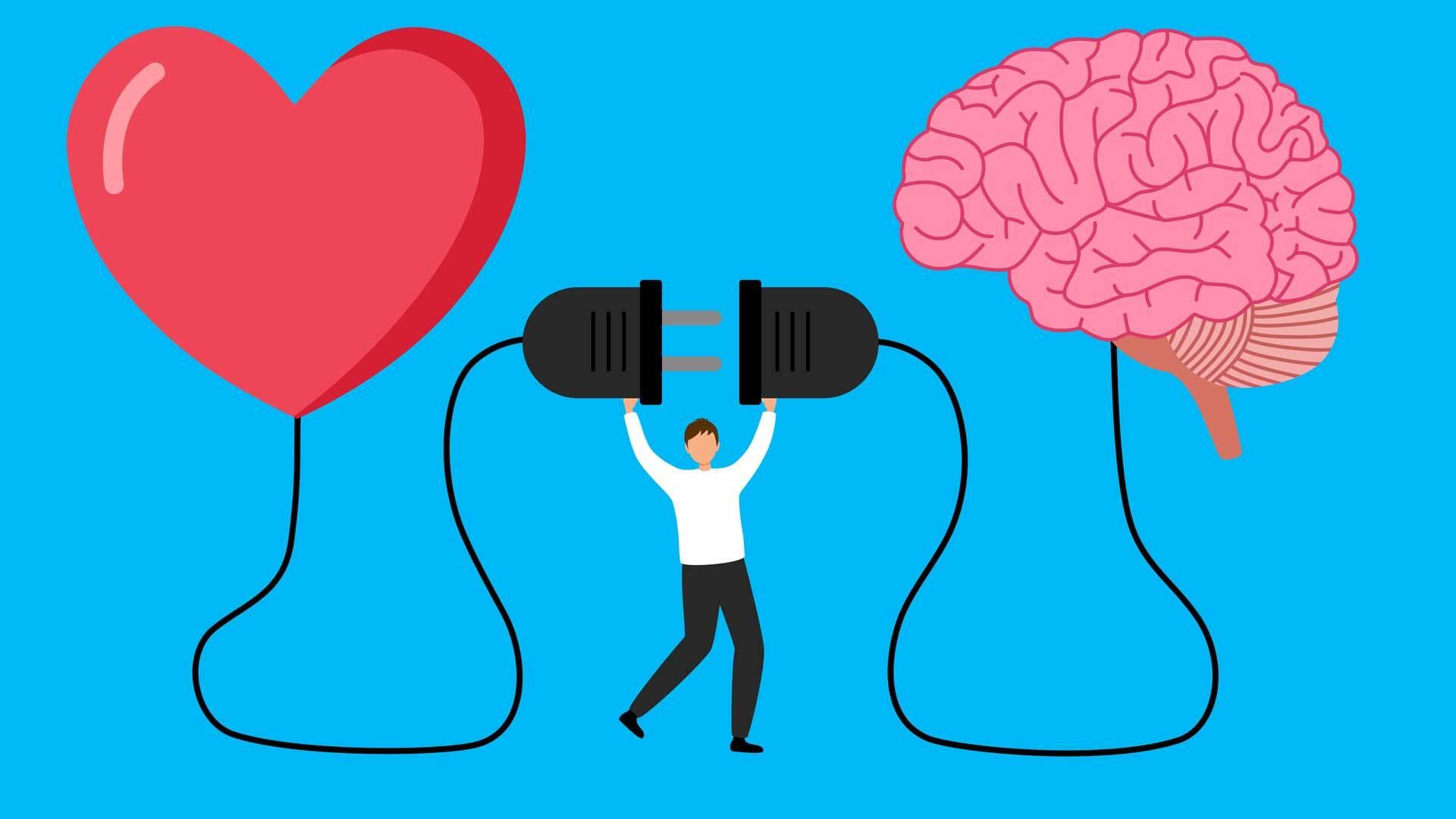
Why Emotional Intelligence Matters: Transforming Education for Student Success
Emotional intelligence (EQ) is fast becoming a cornerstone in modern education. As educators and parents seek to prepare students for both academic and real-world success, it’s vital to understand how EQ profoundly impacts student achievement, classroom environment, and overall well-being.In this article,we’ll explore why emotional intelligence matters,its transformative benefits for education,practical strategies for nurturing EQ,and inspiring real-world examples.
Understanding emotional Intelligence in Education
What Is Emotional Intelligence?
Emotional intelligence refers to the ability to identify, understand, manage, and use emotions in positive ways to relieve stress, communicate effectively, empathize with others, overcome challenges, and defuse conflict. In education, EQ is essential for fostering a supportive learning environment and helping students excel academically and socially.
- Self-awareness – Recognizing one’s own emotions and their impact on learning and behavior.
- Self-regulation – Managing emotions to adapt to varying situations.
- Social awareness – Empathizing and understanding the feelings of peers and teachers.
- Relationship management – Building healthy connections and resolving conflicts constructively.
Integrating EQ into education is no longer optional—it’s a necessity for comprehensive student development!
Why Emotional Intelligence Matters for Student Success
Traditional education systems have often emphasized academic achievement over personal growth. However, numerous studies reveal that emotional intelligence benefits both academic performance and social development. Here’s why EQ is key:
- Improves Academic Performance: Students with high emotional intelligence are better equipped to manage stress,set goals,and persevere through challenges.
- Enhances Social Skills: Emotional intelligence nurtures empathy, teamwork, and effective communication.
- Reduces Behavioral Issues: EQ helps students regulate their emotions and resolve conflicts peacefully.
- promotes Mental Health: Emotionally clever students are more resilient, self-confident, and less likely to experiance anxiety or depression.
- Prepares for Lifelong Success: EQ equips students with vital skills for their future careers and personal relationships.
By fostering emotional intelligence, educators empower students to become well-rounded individuals ready to navigate life’s complexities.
Benefits of Emotional Intelligence in Education
Academic Achievement
Research demonstrates that emotionally intelligent students often outperform their peers academically. EQ enables students to:
- Stay focused and attentive in class
- Cope with exam stress effectively
- Collaborate on group projects
- Seek help when needed
Social and Emotional Well-being
Schools that prioritize EQ build supportive and inclusive environments. Students feel valued, confident, and connected—critical factors for overall well-being and motivation.
Enhanced Classroom Dynamics
When emotional intelligence is central,classrooms become spaces of trust,respect,and cooperation. Bullying and disruptive behaviors decrease, and positive relationships flourish.
Practical Tips: How to Foster Emotional Intelligence in the Classroom
If you’re wondering how to integrate EQ into your teaching or parenting, here are practical strategies you can implement today:
-
Model Emotional Intelligence
Teachers and adults should demonstrate self-awareness, empathy, and respectful communication.
-
Encourage Open Dialog
Create safe spaces for students to discuss thoughts and feelings without judgment.
-
Teach Conflict Resolution Skills
Use role-play and scenario-based learning to practice mediation and problem-solving.
-
Incorporate Social-emotional Learning (SEL) Programs
Implement structured SEL curricula that focus on self-regulation, empathy, and relationship-building.
-
Promote Mindfulness Practices
Activities such as deep breathing, journaling, or guided meditation can help students manage stress.
-
Celebrate Diversity
Acknowledge and honor students’ individual backgrounds and emotions.
-
Foster Growth Mindset
Encourage mistakes as opportunities for learning and resilience.
By consciously integrating thes strategies, educators and parents can create an environment where students thrive emotionally and academically.
Case Study: Emotional Intelligence Transforming a School
Riverdale Elementary’s EQ Revolution
Riverdale Elementary School implemented a comprehensive social-emotional learning (SEL) program across all grades. Teachers received ongoing EQ training, and students participated in weekly workshops focusing on self-awareness and relationship management.
outcomes included:
- 40% decrease in bullying and behavioral incidents
- Meaningful improvement in standardized test scores
- higher levels of student engagement and attendance
- More harmonious relationships among students and staff
The school’s principal notes, “Since prioritizing emotional intelligence, students are happier, the climate is more positive, and our academic achievements are on the rise.”
Firsthand Experience: How Emotional Intelligence Changed My Classroom
“As a middle school teacher, I struggled with disruptive behaviors and disengaged learners. After introducing social-emotional check-ins,collaborative projects,and reflective journaling,I saw remarkable changes. Students became more empathetic, confident, and respectful. Our classroom evolved into a supportive community—where academic and personal growth go hand in hand.”
– Rebecca J., Teacher
Conclusion: Building a Brighter Future Through Emotional Intelligence
Emotional intelligence is the foundation for student success in the 21st-century classroom. Beyond boosting academic performance, it equips students with critical life skills, emotional resilience, and the ability to build meaningful relationships. By transforming education to prioritize EQ,teachers,administrators,and parents lay the groundwork for lifelong achievement and personal fulfillment.
Ready to embrace emotional intelligence in your school or home? Begin by modeling empathy, listening actively, and fostering an environment where emotional growth is celebrated. Together, we can create educational spaces where every student truly thrives.